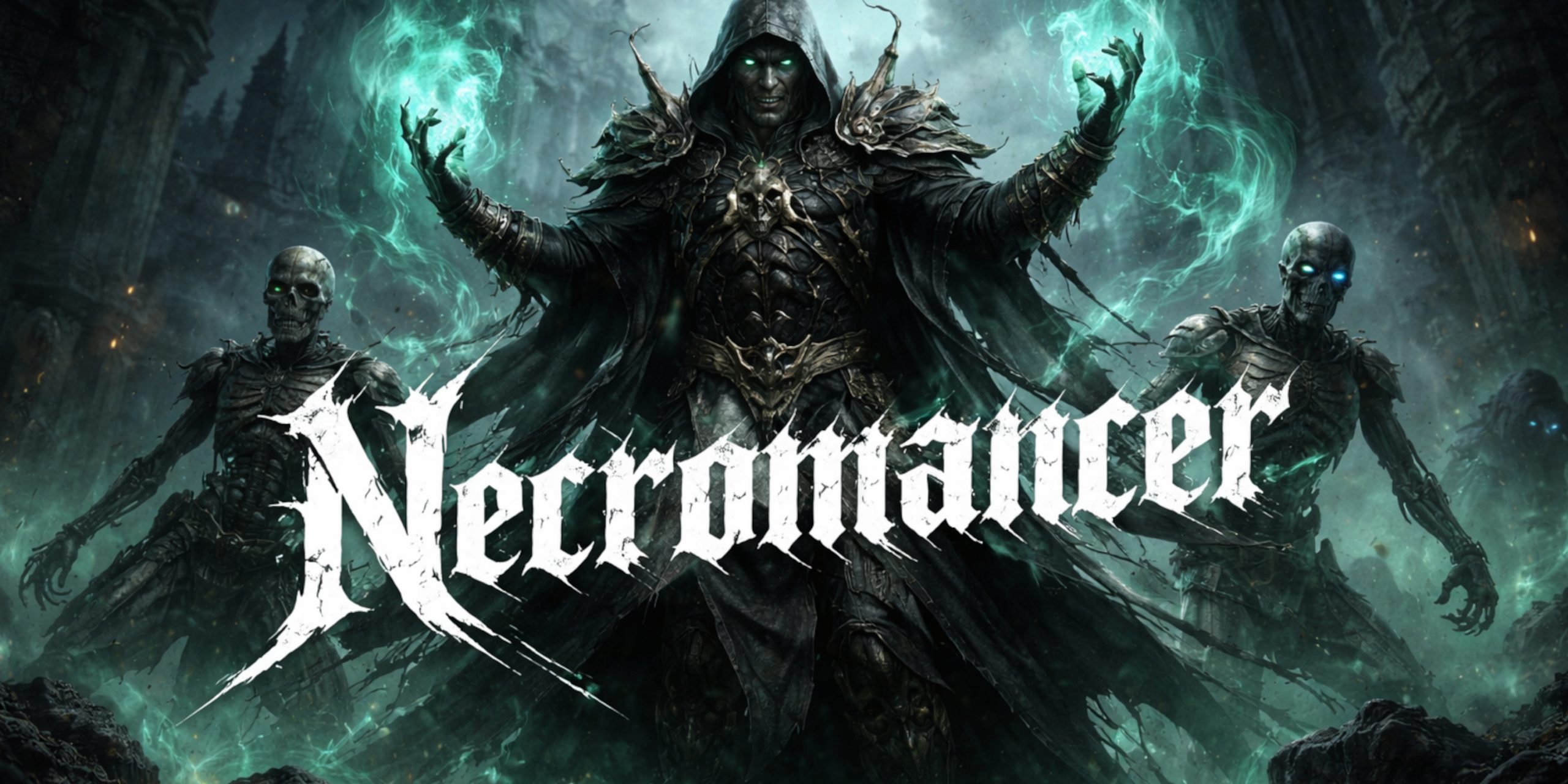
Necromancy in Skyrim has aged better than it has any right to. While stealth archers continue to haunt every forum thread, the necromancer has quietly become one of the most flexible and oddly satisfying playstyles in the game. You are not chasing raw damage numbers. You are managing bodies, perks, positioning, and the mild chaos of undead AI.
This guide updates the best necromancer builds for 2026, factoring in Anniversary Edition content, common mod setups, and how the game actually behaves after hundreds of hours. These are builds that work in real play, not just on paper.
Core Necromancer Mechanics in 2026
Before builds, a quick grounding in how necromancy really functions.
Reanimated corpses scale poorly on higher difficulties, but they shine as distractions, pressure tools, and spell delivery systems. Conjuration perks matter more than spell tier. Ritual Stone abuse is still powerful, but unreliable without planning. Enchanting and Illusion quietly carry most late-game necromancers.
If your undead feel weak, it is rarely the spell. It is usually perk timing or poor corpse choice.
The Classic Corpse Commander
This is the closest Skyrim gets to a traditional necromancer fantasy. You raise the dead, stand behind them, and let chaos do the work.
Playstyle Overview
You rely on permanent or long-lasting undead while supporting from mid-range. Combat is slower, deliberate, and surprisingly safe once it clicks.
Key Skills
- Conjuration as the spine of the build
- Enchanting to remove magicka stress
- Light Armour or Alteration for survival
- Restoration for sustain rather than healing spam
Core Perks to Prioritise
- Necromancy and Dark Souls for stronger undead
- Twin Souls for dual summons
- Soul Stealer to feed your enchantments passively
Why It Still Works in 2026
Anniversary Edition content adds stronger enemy types with better base stats, which oddly benefits necromancy. Raising a tough enemy beats summoning a fragile Daedra every time. This build rewards patience and positioning, not reflexes.
The Ritual Stone Overlord
This build is chaotic, messy, and occasionally game-breaking. It is also very Skyrim.
Playstyle Overview
You do not maintain undead. You unleash them. Entire battlefields rise at once, fight briefly, then collapse back into silence.
Key Skills
- Conjuration for baseline strength
- Illusion for crowd control
- Enchanting to reduce downtime
Focus Points
- Ritual Stone activation timing matters more than stats
- Area selection is everything. Tight spaces reduce effectiveness
- Corpse density beats corpse quality
Strengths and Weaknesses
The power spike is enormous, but it comes in waves. Outside Ritual Stone windows, you play like a weaker conjurer. This build rewards planning and terrain awareness rather than constant aggression.
The Vampire Necromancer Hybrid
This build leans into sustain, control, and long fights. It feels more like a dark battlemage than a pure summoner.
Playstyle Overview
You weaken enemies with Illusion and Destruction, raise key corpses, then drain what remains. It is slower than pure damage builds but extremely hard to kill.
Key Skills
- Conjuration for undead
- Illusion for fear and frenzy
- Destruction for frost control
- Restoration for Necromage synergy
Why Vampirism Matters
Necromage enhances your self-buffs, enchantments, and standing stone effects. It quietly turns average stats into strong ones. The downside is daylight management, but by mid-game that becomes a mild inconvenience rather than a threat.
The Stealth Necromancer
This is the build for players who want necromancy without standing in open combat pretending robes count as armour.
Playstyle Overview
You open fights from stealth, raise enemies quietly, then let them sow confusion while you reposition. Think battlefield manipulation rather than domination.
Focus Points
- Stealth applies to corpse raising if done carefully
- Frenzy pairs better than fear for this build
- Daggers or bound weapons fit naturally
This build rewards patience and awareness. If you rush, it collapses. If you plan, it feels clever in a way Skyrim rarely does.
Gear and Enchantments That Work
Necromancers live or die by enchantments more than raw armour rating.
Prioritise Conjuration cost reduction until spells are effectively free. Magicka regeneration matters less once spells cost nothing. Secondary enchantments should support survivability rather than damage.
Staves are useful early, irrelevant late. Do not build around them.
Common Necromancer Mistakes
Many players abandon necromancy because it feels weak early. That is normal. The build does not come online until perks stack.
Another common issue is corpse choice. Raising a weak enemy is worse than summoning a Daedra. Learn which enemies are worth keeping alive just so you can kill them properly later. It feels wrong, but it works.
Best Difficulty Settings for Necromancers
Higher difficulties punish direct damage but do not scale undead health proportionally. Necromancers actually perform better on higher difficulties than many builds, provided you lean into control and attrition rather than spell spam.
If fights feel tedious, it is usually a pacing issue, not a power one.
Seven Swords Takeaway
Necromancy in Skyrim has never been about efficiency. It is about control, atmosphere, and the quiet satisfaction of winning fights while barely lifting a finger. In 2026, with Anniversary Edition content and mature mod ecosystems, it is one of the most expressive magic playstyles in the game.
It is slower than a destruction mage. It is messier than a conjurer. It is also far more interesting if you give it the time it demands.
Watch the guide: