Denis Villeneuve’s adaptation of Dune was met with intense scrutiny from both die-hard fans of Frank Herbert’s novel and casual sci-fi audiences. The challenge of translating such a dense and introspective story for the screen has defeated others before, yet Villeneuve succeeded where many faltered. His 2021 film strikes a difficult balance between epic spectacle and the philosophical core of the source material.
A World That Feels Lived In

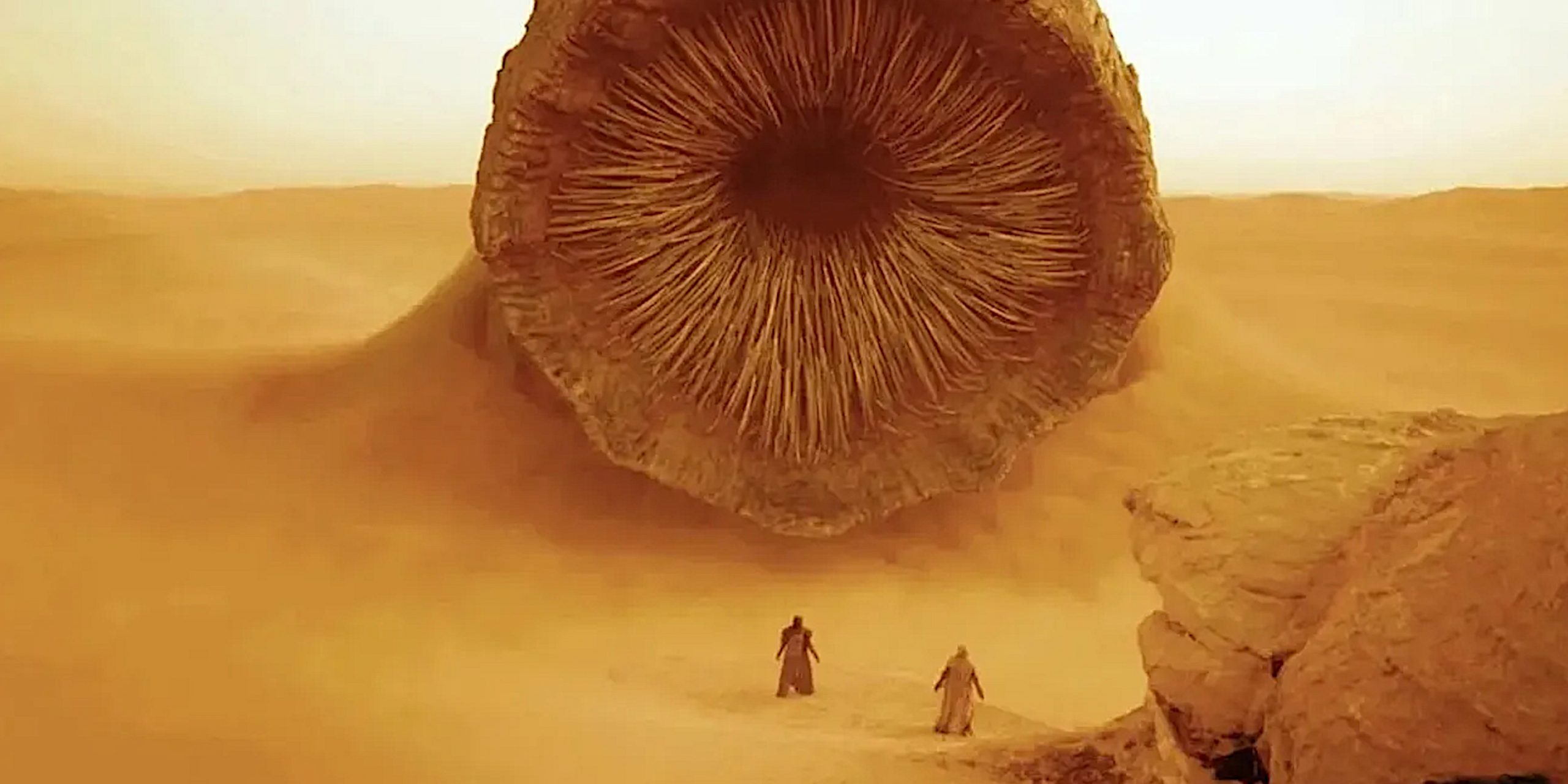
One of Villeneuve’s most effective choices was his emphasis on worldbuilding through texture and tone. Arrakis looks and feels harsh, dangerous, and sacred. The environments are not simply CGI canvases, but tangible places shaped by climate, culture, and conflict. The sandworms, ornithopters, and Fremen stillsuits all feel like natural extensions of their world, not fantastical inventions for effect.
This realism extends to the sound design. Hans Zimmer’s score, more alien ritual than orchestral backdrop, reinforces the otherness of the setting. The result is a world that feels ancient and unknowable, rather than a polished futuristic backdrop.
Respect for the Source Material
Villeneuve treats Herbert’s vision with seriousness. He avoids the temptation to modernise dialogue or inject unnecessary levity. Instead, he leans into the story’s depth. Themes like ecological collapse, religious manipulation, and political power are allowed room to breathe. This fidelity might alienate viewers expecting a more accessible space opera, but it rewards those prepared to engage with the material.
By limiting the scope to the first half of the book, Villeneuve avoids rushing the plot. Characters like Paul, Jessica, and Leto are given time to develop, with their internal conflicts reflected in their restrained performances and sparse dialogue. It’s a risk that pays off, especially in contrast to earlier adaptations that tried to condense too much into too little time.
A Complex Paul Atreides

Timothée Chalamet’s portrayal of Paul is subtle, even austere. He doesn’t play him as a conventional hero, but as a teenager caught in forces beyond his control. The fear in Paul is palpable. He is not yet the messianic figure many expect. This sets the stage for a more tragic arc, where heroism is laced with dread and transformation comes at a cost.
Villeneuve wisely resists portraying Paul as a destined saviour. Instead, the film frames prophecy and power as burdens rather than gifts. Paul’s visions are not moments of clarity, but of confusion and anxiety. This ambiguity keeps the story grounded and sidesteps the ‘chosen one’ cliché.
Visual Restraint and Scale
The cinematography is both grand and restrained. Wide shots of Arrakis are overwhelming not because of clutter, but because of scale. The sparing use of colour, the slow pacing, and the measured editing allow moments to land. Villeneuve understands that science fiction does not need to be frantic. By refusing to overexplain or overcut, he creates an atmosphere of awe and tension.
Every set piece, from the spice harvester sequence to the Sardaukar descent, is deliberate. The camera lingers, letting tension build. Action is used sparingly, and always in service of the story. There’s no mindless spectacle. Each battle, each vision, each silence carries weight.
Casting and Performance

The ensemble cast helps ground the film’s abstract themes. Oscar Isaac brings quiet authority to Duke Leto, while Rebecca Ferguson’s Jessica walks a fine line between maternal care and religious devotion. Stellan Skarsgård’s Baron Harkonnen is menacing not because he shouts, but because he looms and waits.
Villeneuve’s casting choices also reinforce the story’s thematic undercurrents. Jason Momoa’s Duncan Idaho, for example, provides a glimpse of old loyalty and courage in a world where such traits are rare and often futile. Even with limited screen time, the characters feel distinct and purposeful.
The Seven Swords takeaway
Dune (2021) is not a film that tries to please everyone, and that is part of its strength. Villeneuve has created a dense, atmospheric, and uncompromising vision that respects its source and trusts its audience. It does not spoon-feed or pander. Instead, it demands patience and attention.
What he got right was not just the look or the tone, but the spirit of Dune itself. He understood that this is a story about transformation, power, and the terrible price of destiny. Rather than simplify, he chose to elevate. In doing so, he has given science fiction cinema one of its most intelligent and haunting entries in years.
Watch Dune: Part Two Trailer: