From clashing spears to mud-slicked melees, medieval battles have long captivated filmmakers and audiences alike. Yet most depictions on screen bear little resemblance to the grinding, chaotic reality of warfare in the Middle Ages. Too often, they’re stylised to the point of fantasy, filled with choreographed duels, gleaming armour and impossibly clean victories.
Medieval battles on screen usually swing between fantasy chaos and muddy guesswork. Every so often, a film gets close enough that historians stop wincing and start nodding. Armour looks heavy. Men get tired. Commanders make mistakes. Horses refuse to behave. This list focuses on those rare moments where cinema remembers that medieval warfare was brutal, confusing, and often decided by logistics rather than heroics.
This is an updated top ten, ranked with a sharper eye on arms, formations, terrain, and the small unglamorous details that separate convincing battle scenes from stage combat with swords.

The Most Realistic Medieval Battles in Film, Ranked
Medieval warfare on screen usually falls apart the moment the fighting starts. Armour becomes weightless, formations vanish, and everyone somehow has endless stamina. The films below avoid most of that nonsense. They show battles as confused, exhausting, and shaped by terrain, leadership, and bad luck. This updated top ten replaces older classics with more modern attempts at realism and expands the analysis beyond the fight itself.
10. Ironclad (2011)

Ironclad focuses on a moment of medieval warfare that films usually rush past. The siege. Set during the aftermath of Magna Carta, it centres on the defence of Rochester Castle against King John’s forces. That choice alone earns it credibility. Medieval warfare was dominated by sieges, long, unpleasant affairs where disease, starvation, and engineering mattered more than individual skill. Ironclad understands this and leans into it hard.
The film’s tone is relentlessly grim. Combat happens in stairwells, gatehouses, and courtyards, not open fields. Fighters struggle to swing weapons in confined spaces. Armour slows everyone down. Death is messy and often anonymous. While the narrative leans toward exaggerated heroism, the actual fighting rarely does. This is a film more interested in how castles were taken than how legends were made, which makes it a useful reference point for grounded medieval combat on screen.
Why it ranks
A rare film that treats siege warfare as the medieval norm rather than a backdrop.
Focus points
• Enclosed fighting spaces
• Attrition over heroics
• Brutal close-quarter violence
Production values
Practical sets and siege engines give the castle real physical presence. Armour looks heavy and restrictive, even if some designs are exaggerated.
Main cast
James Purefoy, Paul Giamatti, Brian Cox
Legacy
Often overlooked, but quietly respected for taking sieges seriously.
Where to watch
Available on major rental platforms and rotating streaming catalogues.
9. Robin Hood (2010)
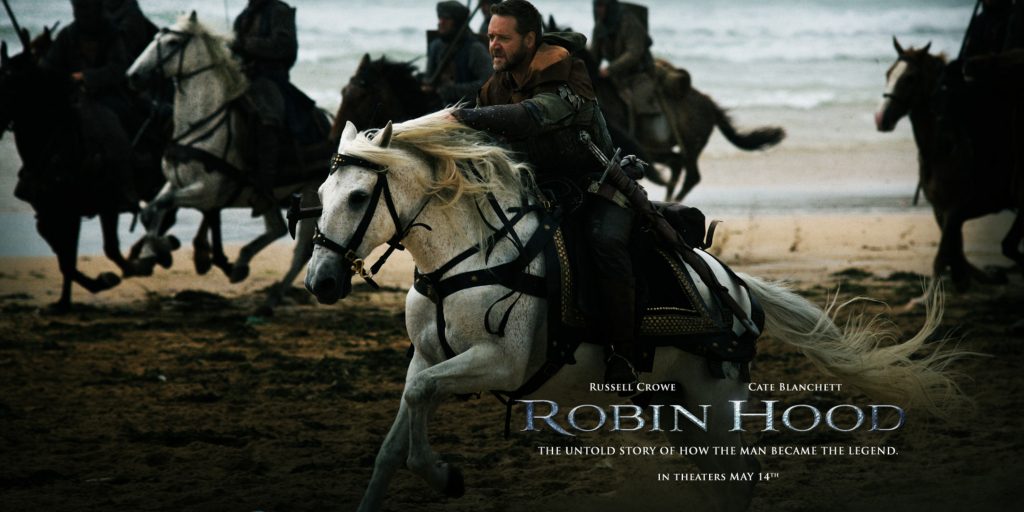
Ridley Scott’s Robin Hood is a strange film. It never quite decides what story it wants to tell, but when it comes to battle, it shows flashes of real understanding. The final engagement on the Normandy coast is not a medieval D-Day, despite the comparisons. It is closer to a confused, badly coordinated landing where command and control collapse almost immediately.
What makes this battle interesting is its emphasis on friction. Shields get stuck. Horses panic. Archers fire to disrupt rather than kill. Infantry formations lose coherence within seconds of contact. Scott’s experience with large-scale battle choreography shows, even if the historical timeline does not. While the film struggles narratively, its combat avoids the clean fantasy logic that plagues many medieval epics. It feels improvised, tense, and frequently out of control, which is far closer to how medieval engagements actually unfolded.
Why it ranks
The beach landing battle is messy in a believable way, with shields and confusion doing most of the work.
Focus points
• Shield use that matters
• Archers used for pressure rather than spectacle
• Command breakdown mid-fight
Production values
Large-scale practical staging with restrained CGI. Armour and weapons feel grounded, even if the timeline does not.
Main cast
Russell Crowe, Cate Blanchett, Mark Strong
Legacy
Not loved as a Robin Hood story, but increasingly cited for its grounded combat.
Where to watch
Widely available on streaming and digital stores.
8. Outlaw King (2018)

Outlaw King presents medieval warfare as a problem-solving exercise rather than a test of bravery. Its depiction of the Battle of Loudoun Hill is built around terrain, preparation, and exploiting enemy mistakes. This is not a film about glorious charges. It is about luring armoured cavalry into ground that makes their advantages meaningless.
The fighting itself is uncomfortable to watch. Spears dominate. Horses collapse. Men slip, struggle, and die in the mud. There is little sense of individual heroism once the lines collide. Combat becomes a matter of endurance and positioning rather than skill. The film also shows how quickly a medieval battle could be decided once momentum shifted. Outlaw King does not pretend that medieval warfare was fair or cinematic. It shows it as opportunistic, cruel, and shaped by planning done long before the first blow was struck.
Why it ranks
Terrain wins the battle. Mud, narrow ground, and poor cavalry decisions carry the outcome.
Focus points
• Polearms over swords
• Cavalry vulnerability
• Exhaustion shaping combat
Production values
Natural lighting and muddy locations sell the physical strain. Minimal gloss, maximum discomfort.
Main cast
Chris Pine, Aaron Taylor-Johnson, Florence Pugh
Legacy
Helped reset expectations for how medieval battles could look on streaming platforms.
Where to watch
Netflix.
7. Henry V (1944)
At first glance, this Henry V seems like an odd inclusion. It is brightly lit, theatrical, and rooted in stage tradition. Yet beneath that surface is a surprisingly informed depiction of medieval battle logic. Olivier’s Agincourt may lack mud and misery, but it understands formations, command structure, and the central role of archers.
The battle unfolds clearly. Units move with intent. Leaders issue orders that matter. There is a sense that discipline and positioning decide outcomes rather than individual swordplay. For a film made during the Second World War, it avoids turning medieval combat into pure pageantry. While the violence is restrained and bloodless by modern standards, the underlying mechanics are sound. This film deserves recognition not for visceral realism, but for treating medieval warfare as organised, strategic, and dependent on cohesion
Why it ranks
Stylised but tactically informed, especially for its era.
Focus points
• Clear formations
• Logical archer placement
• Leadership as morale management
Production values
Theatrical by modern standards, but carefully composed and historically literate.
Main cast
Laurence Olivier
Legacy
Laid the groundwork for later, darker interpretations of Agincourt.
Where to watch
Classic film platforms and archive streaming services.
6. The Northman (2022)
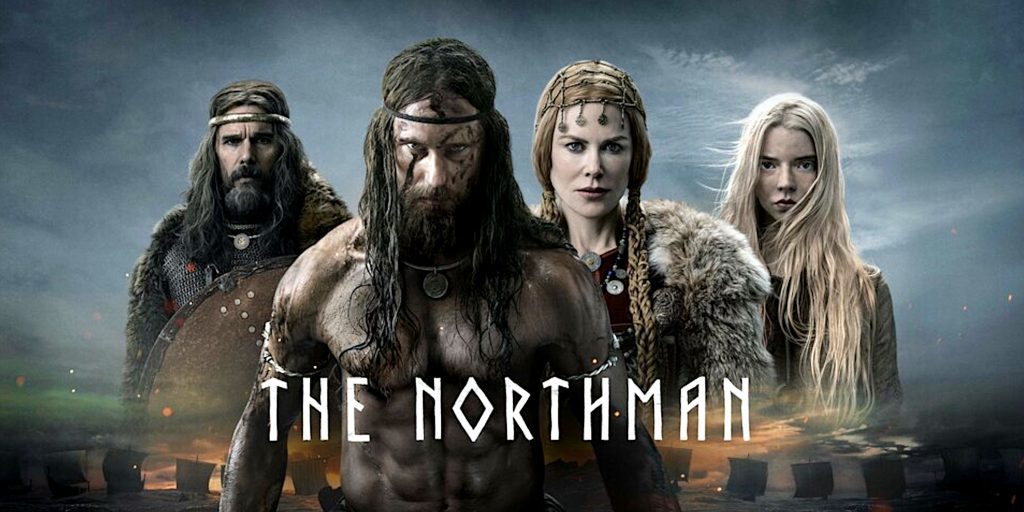
The Northman strips early medieval combat down to its raw essentials. Short bursts of violence, limited tactics, and overwhelming psychological pressure. Battles here are not extended set pieces. They are sudden eruptions of brutality where control disappears almost immediately.
What sets the film apart is its refusal to romanticise violence. Shields splinter. Weapons stick in bodies. Fighters scream, panic, and break formation. There is no sense of knights or chivalry because this is a world before them. Combat is tribal, ritualised, and brutally practical. The film also captures how small-scale most early medieval fighting was. Raids, ambushes, and brief clashes dominate. This is not warfare as spectacle. It is violence as a constant, ugly presence. While not focused on grand battles, The Northman offers one of the most convincing portrayals of how early medieval combat likely felt on the ground.
Why it ranks
Early medieval violence without glamour. Short, savage bursts of combat replace prolonged duels.
Focus points
• Shield use and shield damage
• Ritualised but practical violence
• Limited battlefield control
Production values
Extensive research, natural locations, and tactile sound design make every clash feel close and dangerous.
Main cast
Alexander Skarsgård, Nicole Kidman, Anya Taylor-Joy
Legacy
Raised the bar for Viking Age realism and influenced how early medieval warfare is portrayed.
Where to watch
Available on major streaming and rental platforms.
5. The Last Duel (2021)

The Last Duel earns its place through technical honesty. The climactic duel is not graceful. It is exhausting, frightening, and deeply uncomfortable. Armour dictates everything. Movement is restricted. Breathing becomes difficult. Techniques shift from cutting to grappling within seconds.
What makes this sequence exceptional is its commitment to physical reality. Fighters slip. Blows glance off steel. Victory comes not from skill alone but from stamina, panic, and opportunity. The film also shows how dangerous medieval combat was even for trained nobles. One mistake is enough to end everything. While the scope is limited to a single fight, it offers a clearer understanding of how medieval weapons and armour actually interacted than many full-scale battle scenes ever manage.
Why it ranks
A single duel that shows how armour actually works, and how terrifying close combat really is.
Focus points
• Grappling and ground fighting
• Armour dictating technique
• Fatigue and panic
Production values
Painstaking attention to armour construction and period detail.
Main cast
Matt Damon, Adam Driver, Jodie Comer
Legacy
Often cited in discussions about realistic medieval combat choreography.
Where to watch
Streaming and digital rental services.
4. Braveheart (1995)

Braveheart is historically chaotic, but emotionally convincing. The battles feel dangerous, uncontrolled, and terrifying, which counts for a lot. Infantry smash together with no clear rhythm. Lines break. Men die suddenly and without ceremony.
The film’s greatest strength is its sense of mass. Large numbers of bodies moving, colliding, and collapsing. Combat feels overwhelming rather than choreographed. While kilts, face paint, and weapon choices belong firmly in fantasy, the emotional experience of battle feels closer to reality than many more accurate films. Braveheart understands that medieval warfare was frightening and rarely tidy. Even when the history collapses, the violence retains a sense of consequence.
Why it ranks
Historically chaotic, but the violence feels uncontrolled and dangerous.
Focus points
• Infantry collisions
• Casualties as unavoidable
• Psychological pressure
Production values
Large extras, practical effects, and minimal CGI for its time.
Main cast
Mel Gibson, Patrick McGoohan
Legacy
Massively influential, even when historians sigh loudly.
Where to watch
Widely available across streaming services.
3. Kingdom of Heaven Director’s Cut (2005)

The director’s cut transforms Kingdom of Heaven into one of the strongest depictions of medieval siege warfare on film. The defence of Jerusalem is treated as a logistical and moral challenge rather than a heroic stand. Resources matter. Civilians matter. Time matters.
Combat unfolds in phases. Artillery, assault, counterattack, and negotiation all play roles. The film understands that a siege is as much about pressure and endurance as fighting. Leaders make compromises. Victories feel temporary. Losses accumulate. While still cinematic, the battle respects medieval realities far more than its theatrical cut suggested. It remains one of the best large-scale portrayals of Crusader-era warfare.
Why it ranks
The siege of Jerusalem balances spectacle with tactical logic.
Focus points
• Siege engines used correctly
• Civilian impact on warfare
• Command decisions with consequences
Production values
Large practical sets supported by restrained CGI.
Main cast
Orlando Bloom, Eva Green, Ghassan Massoud
Legacy
The director’s cut transformed its reputation among historians.
Where to watch
Look specifically for the director’s cut on streaming or Blu-ray.
2. Henry V (1989)

This Agincourt is misery incarnate. Mud clings to armour. Men struggle to stand. Combat becomes a slow, suffocating grind. Branagh’s film rejects romanticism and replaces it with exhaustion and fear.
The battle emphasises how quickly plans dissolve once fighting begins. Archers disrupt. Knights fall. Leadership becomes reactive rather than commanding. The famous victory feels less triumphant than traumatising. This Henry V does not celebrate war. It endures it. The film remains one of the most convincing depictions of late medieval infantry combat, particularly in how terrain and fatigue shape outcomes.
Why it ranks
Agincourt as misery rather than legend.
Focus points
• Mud and exhaustion
• Archers as battlefield disruptors
• Loss of command control
Production values
Muted colours and tight framing heighten claustrophobia.
Main cast
Kenneth Branagh, Derek Jacobi
Legacy
Still the benchmark for grounded Shakespearean warfare.
Where to watch
Available on major digital platforms.
1. The King (2019)

The King presents medieval battle as a logistical failure spiralling into catastrophe. Its Agincourt is not a set piece. It is a disaster unfolding in slow motion. Armour traps men in mud. Horses become liabilities. Commanders lose control almost immediately.
The film excels at showing how medieval combat actually felt. Disorientation. Noise. Limited visibility. Panic. Victory arrives not through brilliance but through survival. Leadership is shown as stress management rather than inspiration. While the film compresses history and simplifies politics, its portrayal of battle remains one of the most convincing ever put on screen. It treats medieval warfare as something endured rather than celebrated, which is why it sits at the top of this list.
Why it ranks
Medieval battle as a logistical disaster. Nothing feels heroic for long.
Focus points
• Armour drowning men in mud
• Confused melee
• Leadership under extreme stress
Production values
Natural light, dense sound design, and restrained camera work sell the chaos.
Main cast
Timothée Chalamet, Joel Edgerton, Robert Pattinson
Legacy
Set a new mainstream standard for medieval battle realism.
Where to watch
Netflix.
What These Films Understand About Medieval Warfare
They respect weight, fatigue, and fear. They let terrain do the damage. They accept that medieval battles were rarely clean or controlled. For anyone who grew up on flashy sword fights and later learned how ugly real combat was, these films feel closer to the truth.