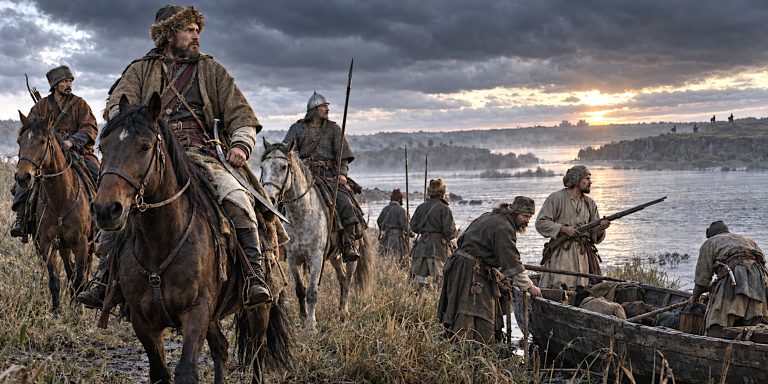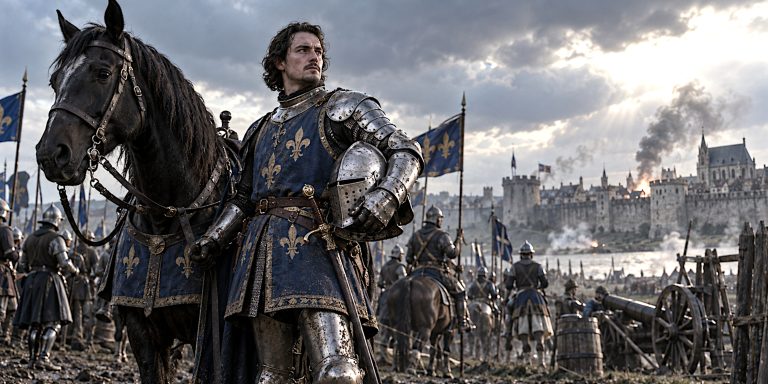
The musketeer occupies a curious place in history. Mention the word today and most people picture flamboyant swordsmen in feathered hats proclaiming loyalty to king and comrades. Thank Alexandre Dumas for that. The historical reality is both less romantic and, in many ways, far more interesting.
Real musketeers helped reshape warfare during one of Europe’s most turbulent periods. They stood at the crossroads between medieval traditions and the emerging modern battlefield. Armed with powerful firearms yet still carrying swords into close combat, they represented an age in transition where gunpowder had become king but cold steel still settled many arguments.
For over two centuries, musketeers fought in brutal continental wars, colonial campaigns and civil conflicts. They marched across muddy fields from Flanders to Germany, from Italy to the New World, helping transform military organisation and ultimately rendering the armoured knight obsolete.
Their influence stretched far beyond the battlefield. Drill, discipline, logistics and coordinated fire all developed alongside the rise of the musketeer. By the eighteenth century, Europe had become a continent of professional armies, and the musketeer stood at the heart of that revolution.
Who Were the Musketeers?
A musketeer was an infantry soldier equipped primarily with a musket, a heavy firearm designed to deliver greater range and penetrating power than earlier handguns.
The first organised musketeers appeared in Spain during the early sixteenth century. Their heavy arquebuses evolved into larger calibre muskets capable of defeating increasingly sophisticated plate armour.
Initially, musketeers formed only a portion of infantry formations alongside pikemen. Over time, improvements in firearms reduced the need for pikes until the invention of the bayonet finally combined both roles into a single weapon.
Elite mounted and royal bodyguard formations also adopted the title “musketeer”, most famously the French King’s Musketeers.
Origins of the Musketeer
The emergence of musketeers reflected changing technology rather than changing fashion.
By the late fifteenth century, European armourers had become remarkably skilled. Good quality plate armour could withstand many arrows and even lighter firearms.
Military engineers responded by developing larger firearms capable of firing heavier projectiles.
Spanish armies first introduced the musket around the 1520s.
These weapons proved devastating.
A musket ball could punch through armour that had previously offered excellent protection. Suddenly, years of expensive armour craftsmanship became increasingly obsolete.
This technological leap transformed European warfare over the next hundred years.
The Evolution of the Musket
Early muskets were enormous by modern standards.
The first examples often weighed between 7 and 10 kilograms, requiring a forked rest to steady the barrel before firing.
Later innovations gradually reduced weight while improving reliability.
Key developments included:
| Period | Innovation | Military Impact |
|---|---|---|
| Early 1500s | Matchlock musket | Reliable battlefield firearm |
| Late 1500s | Lighter barrels | Greater mobility |
| Early 1600s | Improved drill systems | Faster volley fire |
| Mid 1600s | Flintlock mechanism | Improved reliability |
| Late 1600s | Socket bayonet | Eliminated the need for pikemen |
By the early eighteenth century, the classic line infantry musketeer had replaced the combined pike and shot formations of earlier generations.
Arms and Armour
The image of a musketeer carrying only a firearm is misleading.
Most expected close combat sooner or later.
Muskets
Common firearms included:
- Spanish matchlock muskets
- Dutch pattern muskets
- French Charleville muskets
- English Brown Bess muskets during the eighteenth century
Calibre varied considerably, but all delivered tremendous stopping power.
Swords
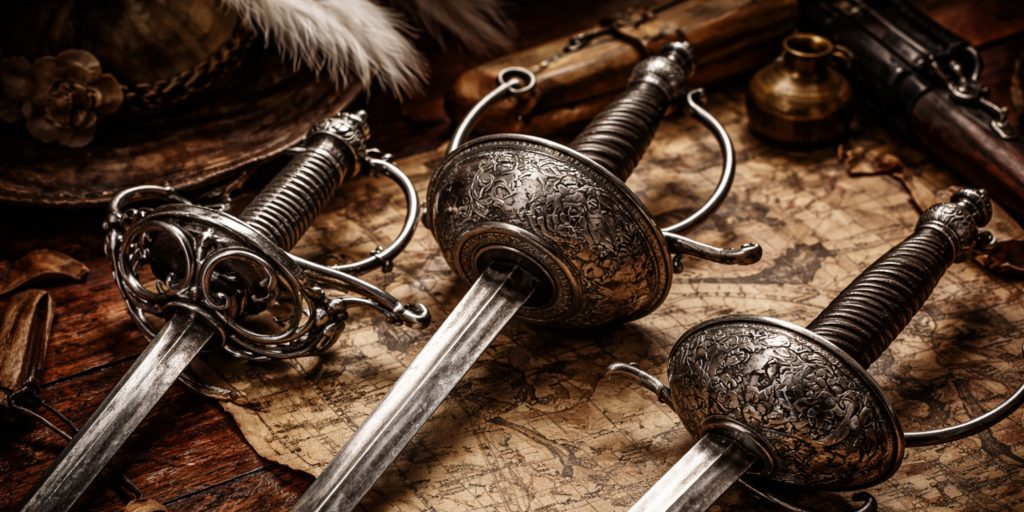
Every musketeer carried a sidearm.
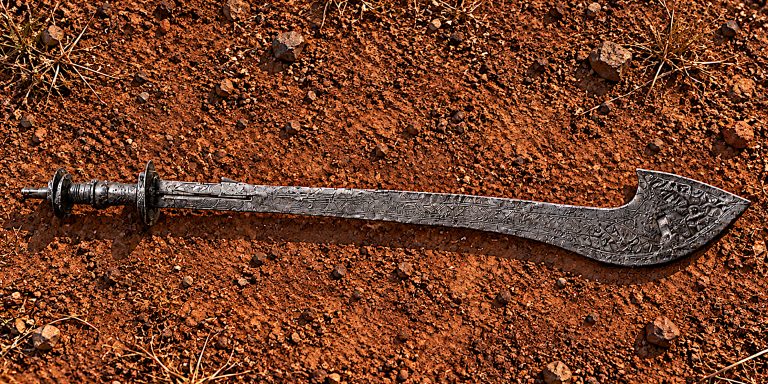
Common sword types included:
- Rapier during the late sixteenth century, particularly among officers and gentlemen
- Side sword for civilian and military use
- Basket-hilted broadsword in northern Europe
- Walloon sword, especially among cavalry and officers
- Military hanger, a short cutting sword widely issued during the seventeenth and eighteenth centuries
- Smallsword for officers during the eighteenth century
Contrary to popular fiction, lengthy fencing duels rarely occurred during battles. Musketeers generally preferred shorter, practical military swords that could survive hard service.
Polearms and Bayonets
Before the widespread adoption of socket bayonets:
- Pikemen protected musketeers from cavalry.
- Some musketeers carried half-pikes.
- Bayonets initially fitted inside the barrel, preventing firing.
The socket bayonet solved this problem by allowing both shooting and stabbing without removing the blade.
Armour
Early musketeers often wore:
- Morion helmets
- Cabasset helmets
- Breastplates
- Buff leather coats
- Gauntlets for specialist troops
By the late seventeenth century, armour had largely disappeared except among cavalry and specialist guards.
The musket had simply become too effective.
Training and Battlefield Tactics
Firing a musket demanded patience and practice.
Loading involved:
- Measuring powder
- Pouring the charge
- Inserting the ball
- Ramming everything into place
- Priming the firing pan
- Applying the match or cocking the flint
Even well-trained soldiers usually managed only one to three shots per minute.
Commanders therefore developed sophisticated drill systems.
Ranks rotated continuously.
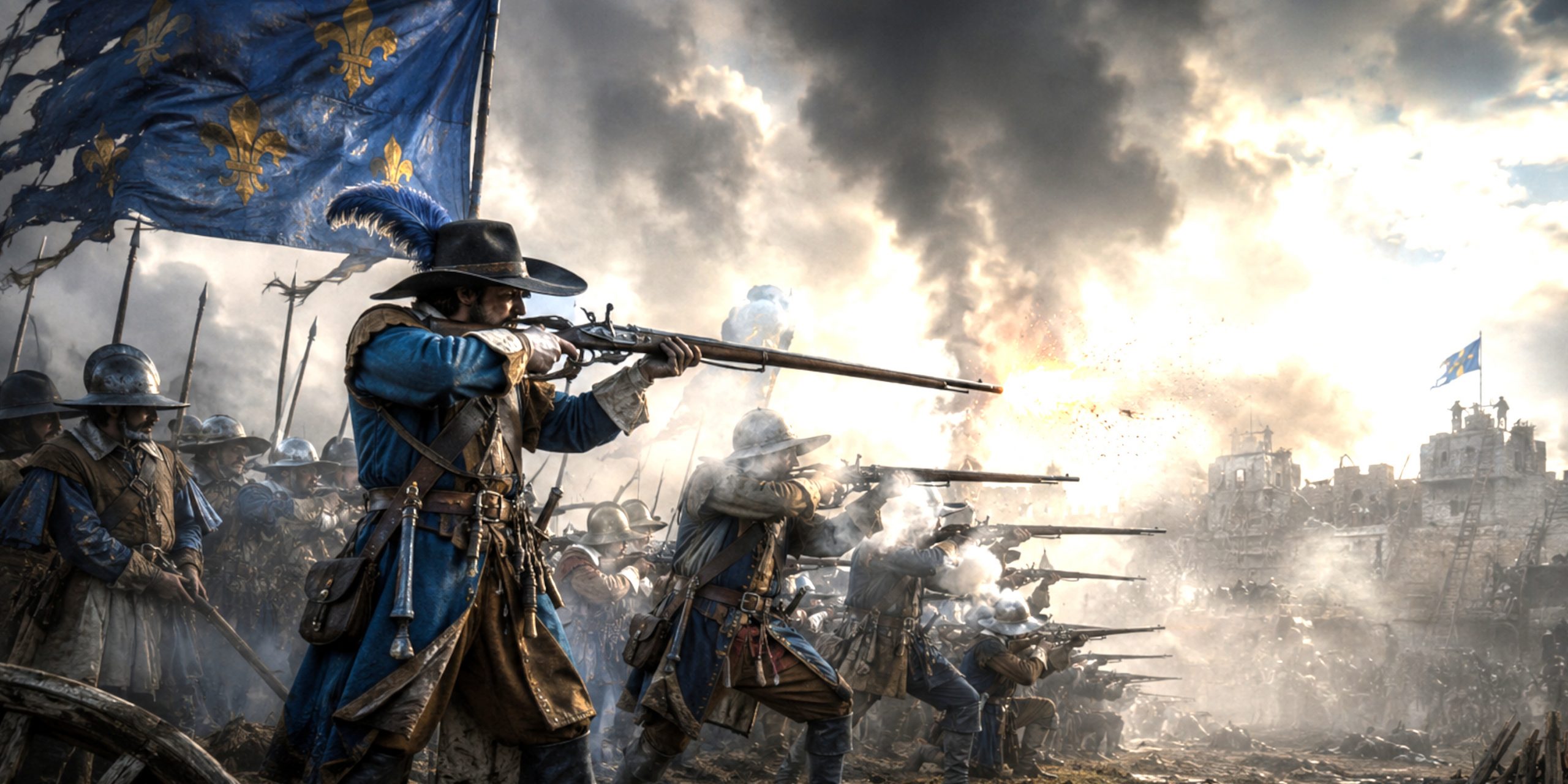
The front rank fired before stepping back to reload while fresh soldiers advanced to maintain constant fire.
This rolling volley became one of the defining tactical systems of seventeenth century warfare.
The Dutch reforms of Maurice of Nassau and later Swedish innovations under Gustavus Adolphus dramatically improved battlefield efficiency.
Life as a Musketeer
Military life remained harsh.
Campaigns often involved:
- Disease
- Hunger
- Poor pay
- Long marches
- Primitive medical care
- Extreme weather
Many soldiers spent far more time digging fortifications or standing guard than actually fighting.
Veteran musketeers joked that armies marched on sore feet rather than glorious victories.
History suggests they had a point.
Famous Musketeer Regiments
Several units achieved legendary status.
Spanish Tercios
Among the finest infantry formations ever created.
Their disciplined integration of pikemen and musketeers dominated European battlefields for more than a century.
French King’s Musketeers
Established in the early seventeenth century, they served as elite household troops protecting the French monarch.
Their fame owes much to literature, but they genuinely participated in numerous campaigns under Louis XIII and Louis XIV.
Swedish Infantry
Under Gustavus Adolphus, Swedish musketeers revolutionised mobile firepower during the Thirty Years’ War.
Their flexible formations influenced military doctrine across Europe.
English New Model Army
Oliver Cromwell’s professional army demonstrated the effectiveness of disciplined musket infantry during the English Civil Wars.
Training often proved more decisive than noble birth.
Famous Battles Involving Musketeers
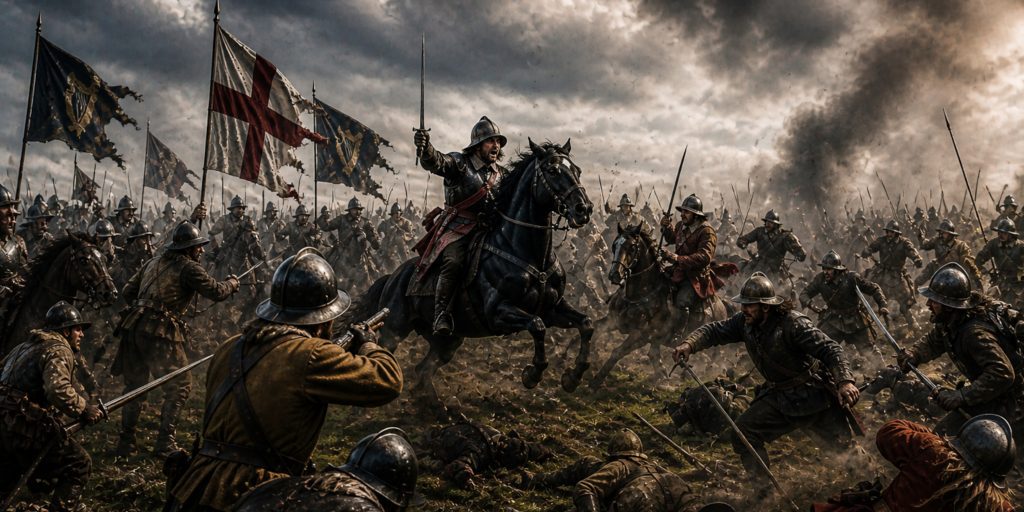
Several battles demonstrated the growing dominance of musket infantry.
| Battle | Year | Importance |
|---|---|---|
| Bicocca | 1522 | Early demonstration of firearm superiority |
| Pavia | 1525 | Musketeers helped destroy French heavy cavalry |
| Rocroi | 1643 | Marked the decline of Spanish battlefield dominance |
| Breitenfeld | 1631 | Swedish musket tactics reshaped European warfare |
| Naseby | 1645 | New Model Army showcased disciplined infantry fire |
Each reflected the increasing importance of organised firearm tactics over medieval shock combat.
Archaeology and Surviving Evidence
Archaeology has transformed our understanding of musketeers.
Battlefield excavations have uncovered:
- Lead musket balls
- Matchlock components
- Flintlock mechanisms
- Powder flasks
- Ramrods
- Sword fragments
- Uniform buttons
- Personal items including pipes, coins and gaming pieces
Sites such as Pavia, Lützen, Wittstock, Edgehill and Naseby continue to reveal fresh evidence about troop movements, casualty patterns and battlefield organisation.
Lead shot analysis can even identify firing directions, allowing archaeologists to reconstruct exchanges of musket fire with remarkable accuracy.
Experimental archaeology has also shown just how physically demanding musket drill really was. Reproducing historical loading sequences under timed conditions leaves modern volunteers with a renewed respect for professional seventeenth century soldiers.
Contemporary Accounts
The soldiers themselves often described the brutal reality of gunpowder warfare.
Spanish captain Bernardino de Mendoza observed:
“Victory belongs to those who preserve their order.”
Sir James Turner, reflecting on seventeenth century warfare, remarked:
“Discipline is the soul of an army.”
French marshal Turenne famously stated:
“War is the business of surprise.”
Samuel de Champlain described musket fire among European soldiers as producing:
“A thunder that astonished all who heard it.”
These comments reflect a recurring theme. Organisation, discipline and controlled fire mattered far more than individual heroics.
How Musketeers Changed Warfare
Few military developments proved as significant.
The musketeer contributed to:
- The decline of mounted knights
- The disappearance of full plate armour
- The growth of professional standing armies
- Standardised military drill
- Centralised government control of armies
- Modern logistics
- Industrial arms production
Gunpowder had existed for centuries.
The musketeer showed Europe how to organise it effectively.
Myth Versus Reality
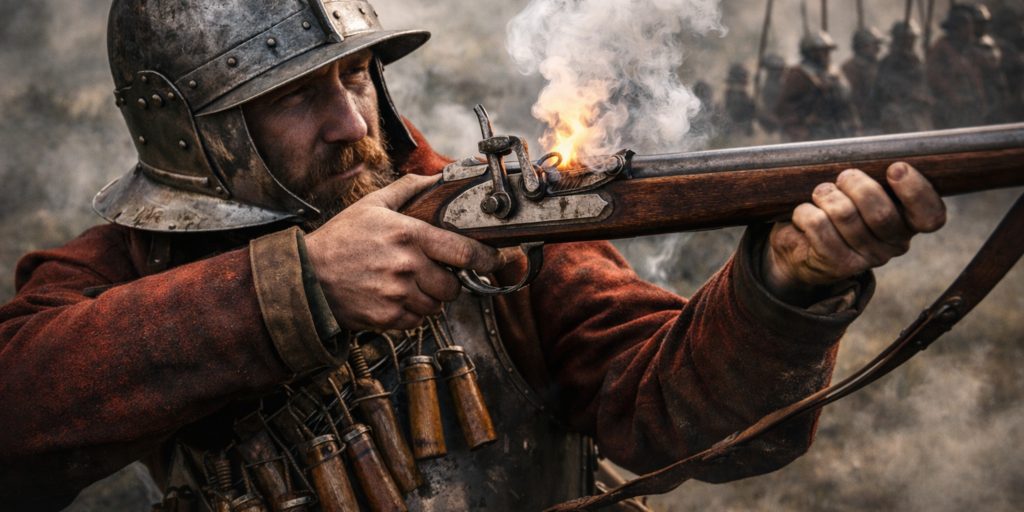
Popular fiction has blurred historical truth.
The real King’s Musketeers certainly carried swords, but they also drilled extensively with firearms.
They spent considerable time on guard duty, escort work and military administration.
Not every musketeer wore a magnificent blue tabard adorned with fleur-de-lis. Uniformity remained inconsistent for much of the seventeenth century.
Likewise, dramatic duels in Paris streets were less common than endless inspections, equipment maintenance and complaints about delayed wages. Military paperwork has an impressive ability to survive through the centuries.
Legacy
The musketeer occupies one of the most important positions in military history.
He bridged two worlds.
One foot remained in the age of knights, castles and swords.
The other stepped firmly into the era of disciplined infantry, firearms and professional armies.
Modern infantry traditions, coordinated battlefield drill and state-controlled military organisation all owe something to these soldiers who learned to combine powder and steel with remarkable efficiency.
They may be remembered today through novels and cinema, but historians increasingly appreciate them for something even more significant. They helped build the foundations of modern warfare.
The age of the knight ended gradually.
The age of the musketeer ensured it would never return.