A study in weight, shock, and occasional overconfidence
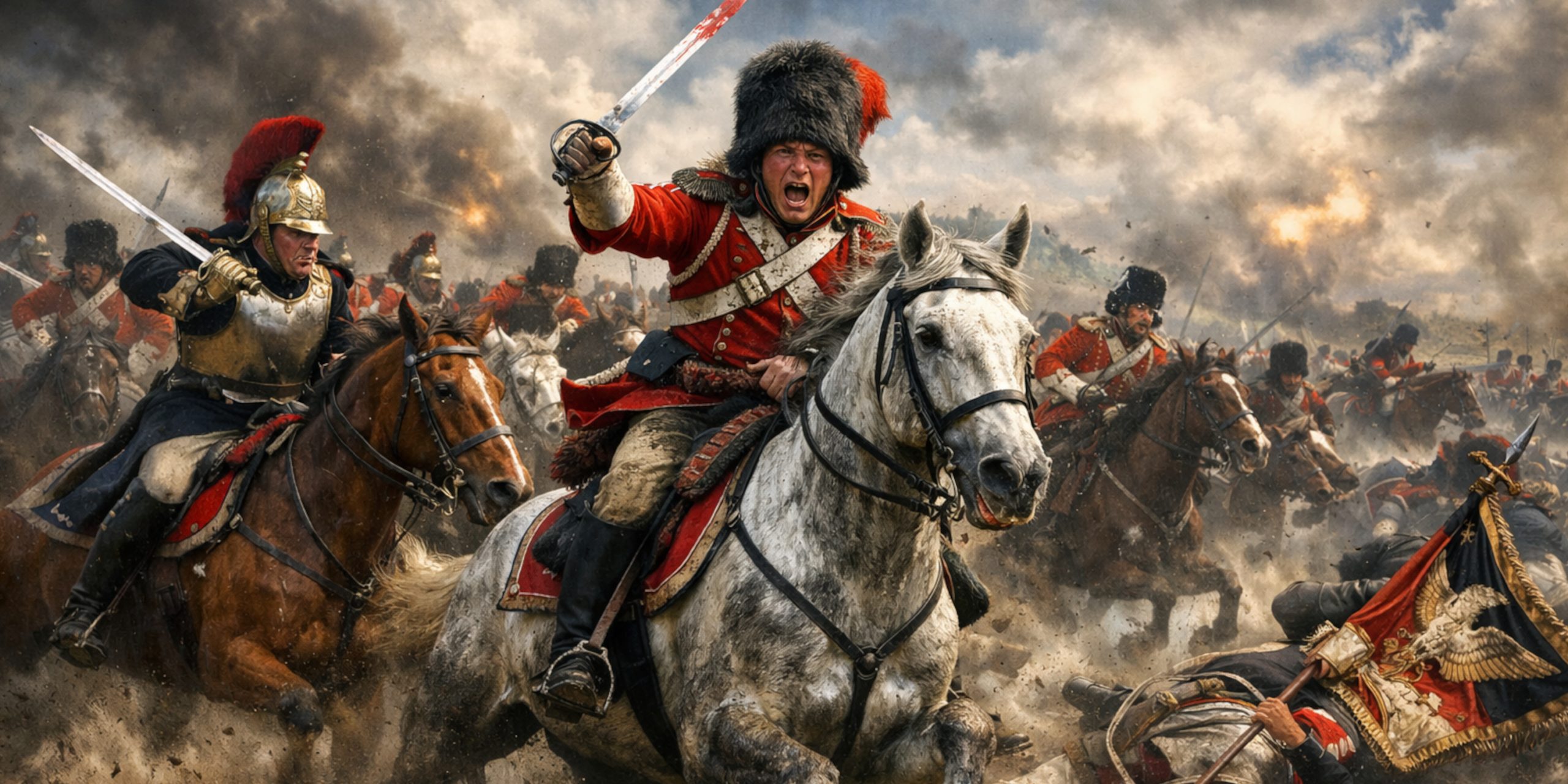
There is something stubbornly reassuring about British heavy cavalry. Not elegant, not subtle, but solid in the way a stone wall is solid. At Waterloo in 1815, the Union Brigade and the Household Brigade represented the last great expression of mounted shock warfare in the British Army. They were large men on large horses, tasked with one thing: to hit hard and hope the world moved out of the way.
They did, at least at first.
The Structure of British Heavy Cavalry
By the time of the Napoleonic Wars, British cavalry had settled into two broad types: light cavalry for scouting and pursuit, and heavy cavalry for direct battlefield impact. The heavy cavalry were organised into brigades, most famously:
The Household Brigade
- 1st Life Guards
- 2nd Life Guards
- Royal Horse Guards (The Blues)
These were elite regiments, drawn largely from wealthier backgrounds, often better mounted and equipped. They carried a sense of ceremony even into battle, which is both admirable and faintly alarming.
The Union Brigade
- 1st Royal Dragoons (English)
- 2nd Royal North British Dragoons (Scots Greys)
- 6th (Inniskilling) Dragoons (Irish)
The name “Union” was not subtle. English, Scottish, and Irish regiments combined into a single striking force, a political statement as much as a military one.
Role on the Battlefield
Heavy cavalry were not intended for finesse. Their purpose was shock action.
- Charge enemy infantry at the right moment
- Break formations, especially those already under pressure
- Exploit gaps in the line
- Overrun artillery positions
In theory, they were to charge, withdraw, and reform. In practice, particularly at Waterloo, they had a habit of charging, continuing, and then discovering too late that French lancers existed.
Waterloo: The Moment That Defined Them
The defining action came during the Battle of Waterloo, when the British line was under pressure from French infantry assaults.
The Union Brigade, under Sir William Ponsonby, launched a charge against d’Erlon’s advancing corps. What followed was dramatic, effective, and just a little reckless.
- French infantry columns were caught in motion and broken
- Several French regiments were routed outright
- Eagle standards were captured, a rare and celebrated achievement
The Scots Greys in particular gained fame, though one suspects the French remembered them rather differently.
Yet the success turned quickly.
The brigade pressed too far, losing cohesion. French lancers and cuirassiers counterattacked. Ponsonby himself was killed, reportedly unable to escape due to the weight of his horse and the terrain.
The Household Brigade performed more controlled charges, notably repelling French cavalry, though even they were not immune to overextension.
It is one of those moments in history where brilliance and disaster sit side by side, refusing to be separated.
Arms and Armour
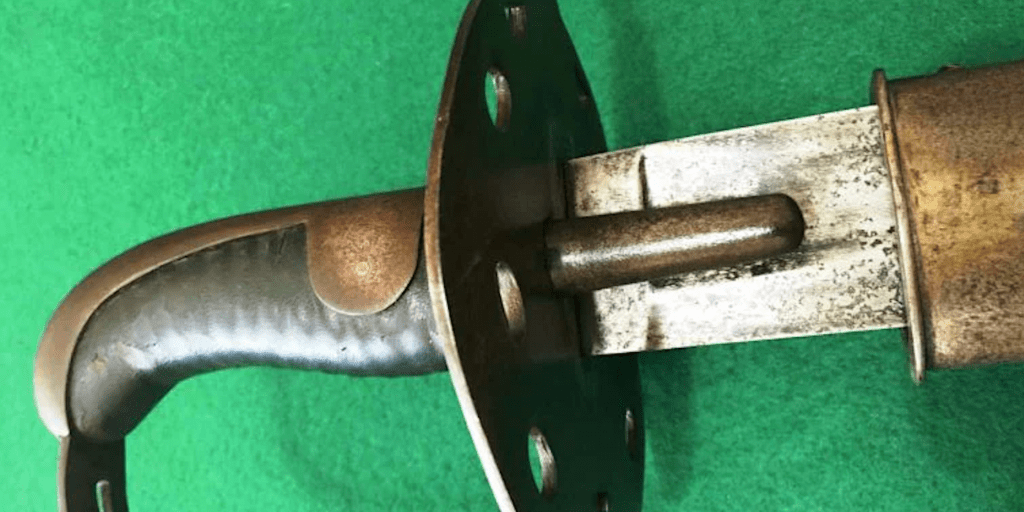
British heavy cavalry were visually striking and physically imposing. Their equipment reflected both tradition and practical battlefield needs.
Weapons
Primary Sword Types
- 1796 Pattern Heavy Cavalry Sword
- Broad, straight blade
- Designed for cutting and thrusting
- Not especially refined, but brutally effective
- 1821 Pattern Heavy Cavalry Sword (post-war evolution)
- Improved balance and thrust capability
- Reflects lessons learned from Napoleonic combat
Other Weapons
- Pistols, often carried but rarely decisive
- Carbines, though seldom used during a charge
The sword remained the central tool. One suspects many officers preferred it that way.
Armour and Dress
- Household Brigade often wore cuirasses, metal breastplates offering some protection
- Helmets varied, including crested and plumed designs
- The Scots Greys famously rode without bearskins in battle, contrary to later myth
Uniforms were heavy, horses were large, and the overall effect was more battering ram than surgical instrument.
Horses and Physical Presence
Heavy cavalry horses were bred for strength rather than speed.
- Larger and more powerful than light cavalry mounts
- Capable of sustaining the impact of a full charge
- Less agile, which mattered when things went wrong
Riders themselves were typically selected for size and strength. Contemporary accounts often remark on their imposing appearance, which was rather the point.
Archaeology and Material Evidence
Waterloo has been the subject of increasing archaeological work in recent years, offering small but revealing insights into the heavy cavalry.
Finds include:
- Fragments of cavalry sabres, often bent or broken, suggesting intense close combat
- Horse equipment such as bits, stirrups, and harness fittings
- Musket balls and canister shot embedded in the ground where cavalry passed through fire
One particularly telling detail is the distribution of finds beyond the original French lines. It confirms what written accounts suggest: British cavalry advanced far deeper than intended.
Archaeology, unlike memoirs, has no interest in saving face.
Contemporary Accounts
Eyewitnesses leave us with a vivid sense of the experience.
Captain William Siborne later wrote of the charge:
“Nothing could withstand the shock of this charge, and whole columns were overthrown.”
A French officer, less impressed, observed:
“The English cavalry came on with great bravery, but without order, and paid dearly for their boldness.”
The Duke of Wellington himself, never one to romanticise, reportedly remarked:
“They galloped as if the devil were behind them, and then he caught them.”
One can almost hear the sigh.
Strengths and Weaknesses
Strengths
- Devastating impact against disordered infantry
- High morale and aggressive spirit
- Physical presence that could unnerve opponents
Weaknesses
- Poor discipline in pursuit
- Vulnerable to counterattack, especially from lancers
- Limited flexibility once committed
Heavy cavalry were at their best in a controlled, timed charge. Unfortunately, control is often the first casualty of success.
Legacy
The Union and Household Brigades left a lasting mark on British military history.
- Their charge at Waterloo became one of the most famous cavalry actions in Europe
- Regimental traditions continue in ceremonial roles today
- Their experience influenced later cavalry doctrine, emphasising discipline and restraint
There is also a quieter legacy. Waterloo demonstrated that even the most powerful cavalry charge had limits in the face of disciplined infantry and combined arms warfare.
It was not the end of heavy cavalry, but it was certainly a warning.
Takeaway
British heavy cavalry at Waterloo were magnificent, flawed, and entirely human. They achieved what they were meant to do, then did rather more than was wise.
History tends to remember the charge, the captured eagles, the thunder of hooves. It remembers less clearly the scattered survivors and riderless horses.
Both deserve attention.
Because in that imbalance lies the truth of the Union and Household Brigades.