It feels slightly dramatic to talk about “saving” a franchise that once dominated global television. But let’s be honest. After the divisive end of Game of Thrones and a more muted reception to parts of House of the Dragon, enthusiasm around Westeros was no longer automatic.
So when A Knight of the Seven Kingdoms arrived, smaller in scale and built around a wandering hedge knight rather than dragonfire politics, the question became unavoidable. Is this the reset the franchise needed, or just another spin-off riding the coattails of past glory?
Critical Response: A Warmer Welcome Than Expected
The critical reception has been notably strong. On Rotten Tomatoes, the series holds an approval rating in the nineties, with critics broadly praising its lighter tone and character focus.
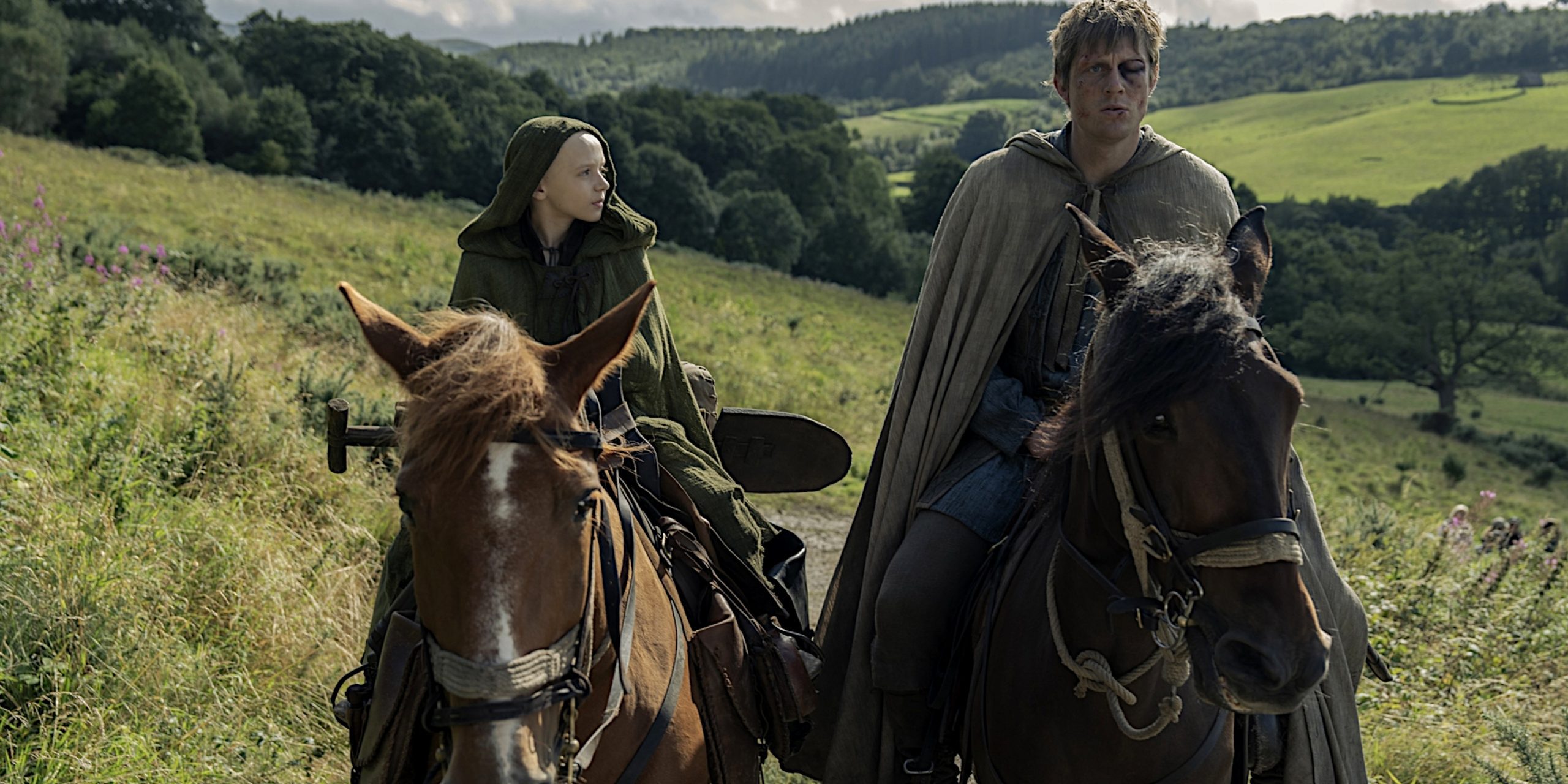
The Guardian described it as the version of Westeros audiences “needed right now,” applauding its warmth and the chemistry between Duncan and Egg. The paper highlighted how the show leans into humanity rather than spectacle, a conscious shift from the bombast of later Thrones seasons.
Vulture emphasised the charm of its central performance, calling it one of the most grounded entries in the franchise. Their review noted that by reducing the scale, the storytelling feels more intimate and, frankly, more emotionally convincing.
GamesRadar labelled it “charming” and “cheeky,” suggesting it captures the early spirit of Westeros without trying to imitate the scale of its predecessor. Nerdist echoed that sentiment, arguing that while it lacks dragons and massive battles, it delivers something arguably more important: consistent, satisfying character arcs.
Not every outlet was convinced. A review in news.com.au suggested the show may not fully satisfy viewers craving the intrigue and brutality of peak Game of Thrones. A more critical take from Awards Buzz questioned whether its quieter tone carries enough weight to justify the franchise’s continued expansion.
Still, the broader trend is clear. Major critics are not just politely approving of this series. Many are genuinely enthusiastic.
Viewing Figures: The Numbers Behind the Noise
Critical praise is nice. Sustained audience interest is what really matters.
HBO reported that the premiere drew around 6.7 million viewers across linear and streaming platforms in its first three days in the United States. That places it among the strongest debuts in HBO Max history.
As the season progressed, average per episode viewership reportedly climbed towards 13 million U.S. viewers. Industry coverage from outlets such as JoBlo and Entertainment Weekly noted consistent week to week growth rather than the drop-off that often follows a high-profile premiere.
Episode five alone reportedly reached over nine million viewers within its first few days, signalling that word of mouth may have strengthened rather than weakened momentum.
No, these numbers do not eclipse the cultural avalanche that was peak Game of Thrones. But in a fragmented streaming landscape where even major shows struggle to dominate conversation, these figures are impressive. They suggest more than curiosity. They suggest engagement.
Has It Actually “Saved” the Franchise
“Saved” is a heavy word. It implies collapse was imminent. The truth is more nuanced.
What A Knight of the Seven Kingdoms appears to have done is stabilise confidence. It has proven that Westeros does not need constant escalation to remain compelling. It does not require dragons in every scene or a throne at the centre of every conflict.
Instead, it returns to character, morality, and the awkward nobility of flawed people trying to do the right thing in a harsh world. That tonal recalibration feels deliberate, almost corrective.
The fact that HBO greenlit a second season before the first had even finished airing signals strong internal confidence. Networks do not make that call out of nostalgia.
From a critical and commercial perspective, this series has shifted the conversation from “Is the franchise exhausted?” to “Where can it go next?”
That shift matters.
A Different Path for Westeros
If this momentum continues, A Knight of the Seven Kingdoms could become more than just a successful spin-off. It could redefine how stories from this universe are told.
Instead of chasing ever larger battles, future projects might focus on different corners of the world. Smaller conflicts. Personal stakes. Moral complexity without apocalyptic spectacle.
As someone who grew up obsessing over the political chess of early Thrones seasons, I find this approach quietly refreshing. There is something almost rebellious about a fantasy series choosing restraint.
Has it saved the franchise? Not single-handedly.
Has it restored faith in it? That is starting to look like a yes.
And in today’s TV landscape, that might be the bigger achievement.
Watch the Trailer: