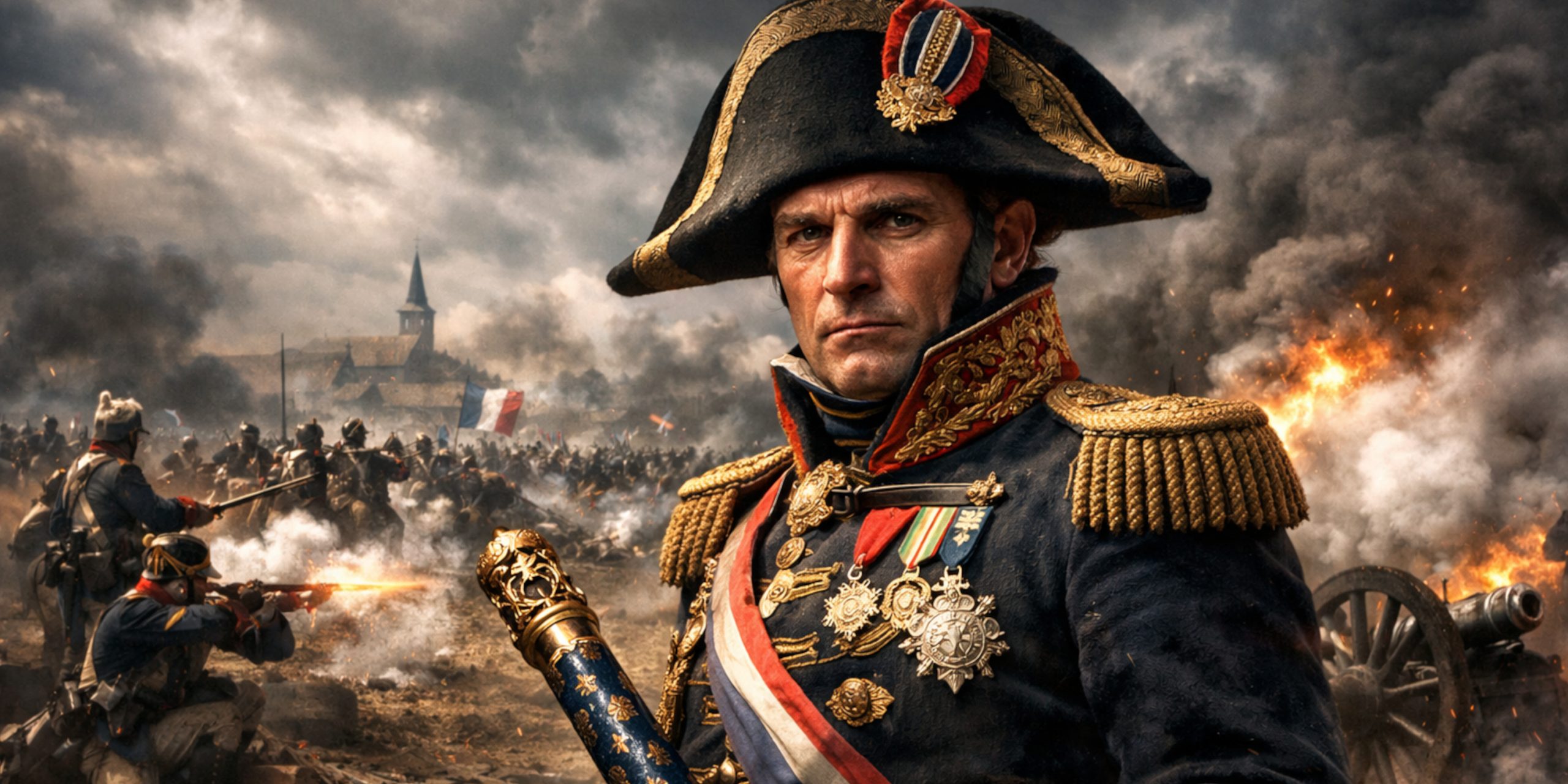
Louis-Nicolas Davout has the odd distinction of being both feared and respected in equal measure. He was Napoleon’s most reliable hammer, a commander who could be trusted with the hardest task and expected to finish it without excuses. Davout rarely sought glory and never courted popularity. He preferred discipline, preparation, and results. As a historian, I find him fascinating because his reputation rests less on legend and more on paperwork, marching orders, and the uncomfortable fact that he was often right.
Early Life and Rise
Born in 1770 into a minor noble family from Burgundy, Davout was trained in the old royal military system and then thrown headfirst into revolutionary chaos. Many officers of noble background hesitated or fled. Davout stayed. He absorbed the new army’s meritocratic ideals and applied them with ruthless consistency. By the time Napoleon crowned himself Emperor, Davout had already proved that political turbulence did not rattle him. If anything, it sharpened his edge.
Arms and Armour
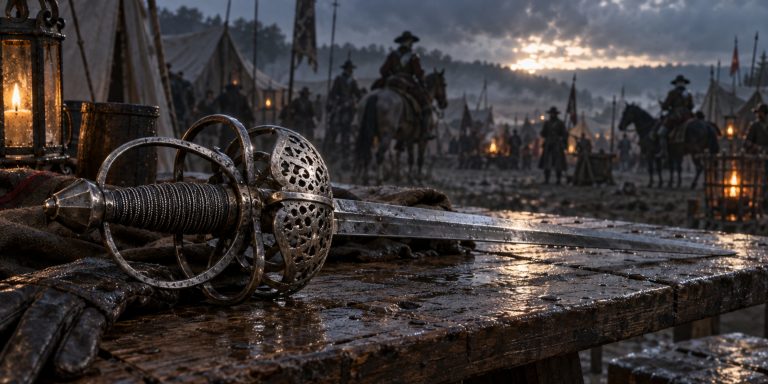
Davout’s personal equipment was unremarkable by design. He dressed and armed himself like a professional soldier rather than a court figure.
French line infantry under his command carried the Charleville Model 1777 musket, supported by bayonets that Davout insisted be kept sharp and serviceable. Cavalry units in his corps relied on sabres such as the AN IX light cavalry sabre and heavy straight-bladed sabres for cuirassiers. Artillery was where Davout showed quiet mastery, integrating Gribeauval system guns with infantry movement more tightly than most of his peers.
As for armour, the Napoleonic battlefield was mostly free of it. Cuirassiers retained steel breastplates, but Davout used them sparingly and with purpose, never as theatrical shock troops. His true protection was formation discipline and timing.
Battles and Military Acumen
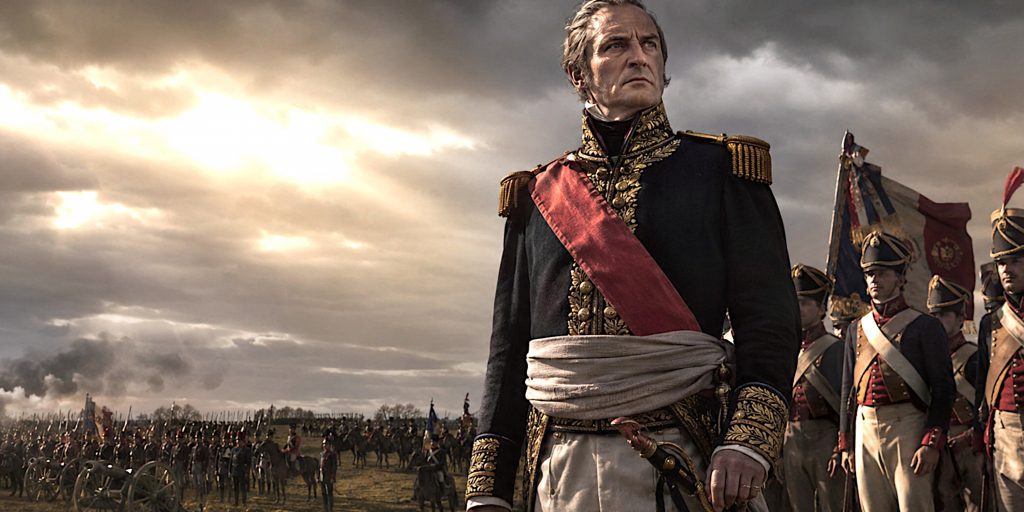
Davout’s battlefield record is almost uncomfortable in its consistency.
At Auerstedt in 1806, commanding a single corps, he defeated the main Prussian army despite being outnumbered by more than two to one. This was not luck. Davout controlled terrain, maintained cohesion under pressure, and refused to yield ground even when isolated. Napoleon later praised the victory, but one senses a hint of surprise that Davout had done exactly what he promised.
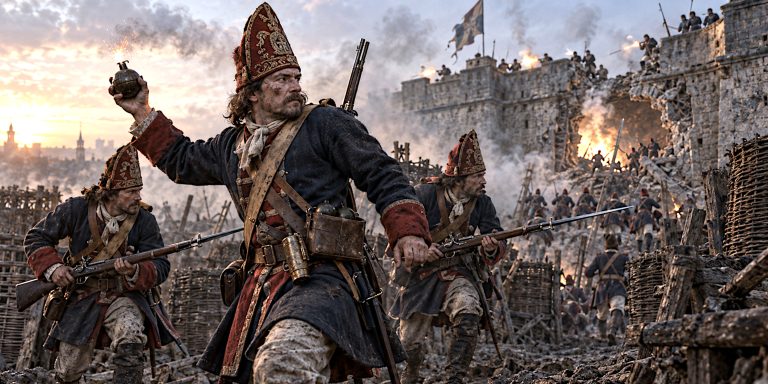
At Eylau, his arrival stabilised a collapsing French flank. At Wagram, his methodical advance broke the Austrian left and decided the battle. Even during the disastrous Russian campaign, Davout’s corps remained one of the last to disintegrate, held together by discipline rather than optimism.
What sets Davout apart is not brilliance in the romantic sense but judgement. He understood logistics, respected the limits of his men, and planned for failure as carefully as for success. He was feared by subordinates because he demanded standards that others waived. He was disliked by fellow marshals because he exposed their shortcuts.
Leadership and Reputation
Davout was called “the Iron Marshal,” a title that sounds flattering until you read the letters of officers who served under him. He punished looting, enforced drill, and tolerated no excuses. Yet his troops marched farther, fought longer, and collapsed later than most. Soldiers knew that Davout would not waste them lightly. That trust, earned through consistency, is rare in any army.
Where to See Artefacts Today
Several objects linked to Davout survive and can be viewed publicly.
His marshal’s baton and personal effects are held by the Musée de l’Armée in Paris, alongside correspondence that reveals a meticulous and often blunt personality. Regimental colours and equipment from units he commanded can be found in regional French museums, particularly those associated with the Grande Armée. Auerstedt and Wagram also feature local collections displaying recovered weapons and uniform fragments tied to his campaigns.
Archaeology and Recent Findings
Napoleonic archaeology does not deliver dramatic discoveries every year, but it continues to refine our understanding. Battlefield surveys around Auerstedt have uncovered musket balls, uniform fittings, and artillery fragments that confirm the intensity and direction of combat described in contemporary reports. Similar work at Wagram has helped map troop movements more precisely, reinforcing how tightly Davout coordinated infantry and guns.
What strikes me is how well the archaeology aligns with the written record. Davout’s battles leave little room for mythmaking. The ground supports the paperwork, and the paperwork is unforgiving.
Legacy
Davout died in 1823, politically sidelined but intellectually undefeated. He never betrayed Napoleon, yet he never indulged him either. History remembers the flamboyant marshals more readily, but professionals quietly acknowledge Davout as the standard. If you want to know how Napoleonic warfare actually worked when it worked, you study Davout.
As a historian, I admire him for resisting the temptations of drama. War is chaotic enough without adding vanity. Davout understood that, and he paid for it with loneliness rather than defeat.