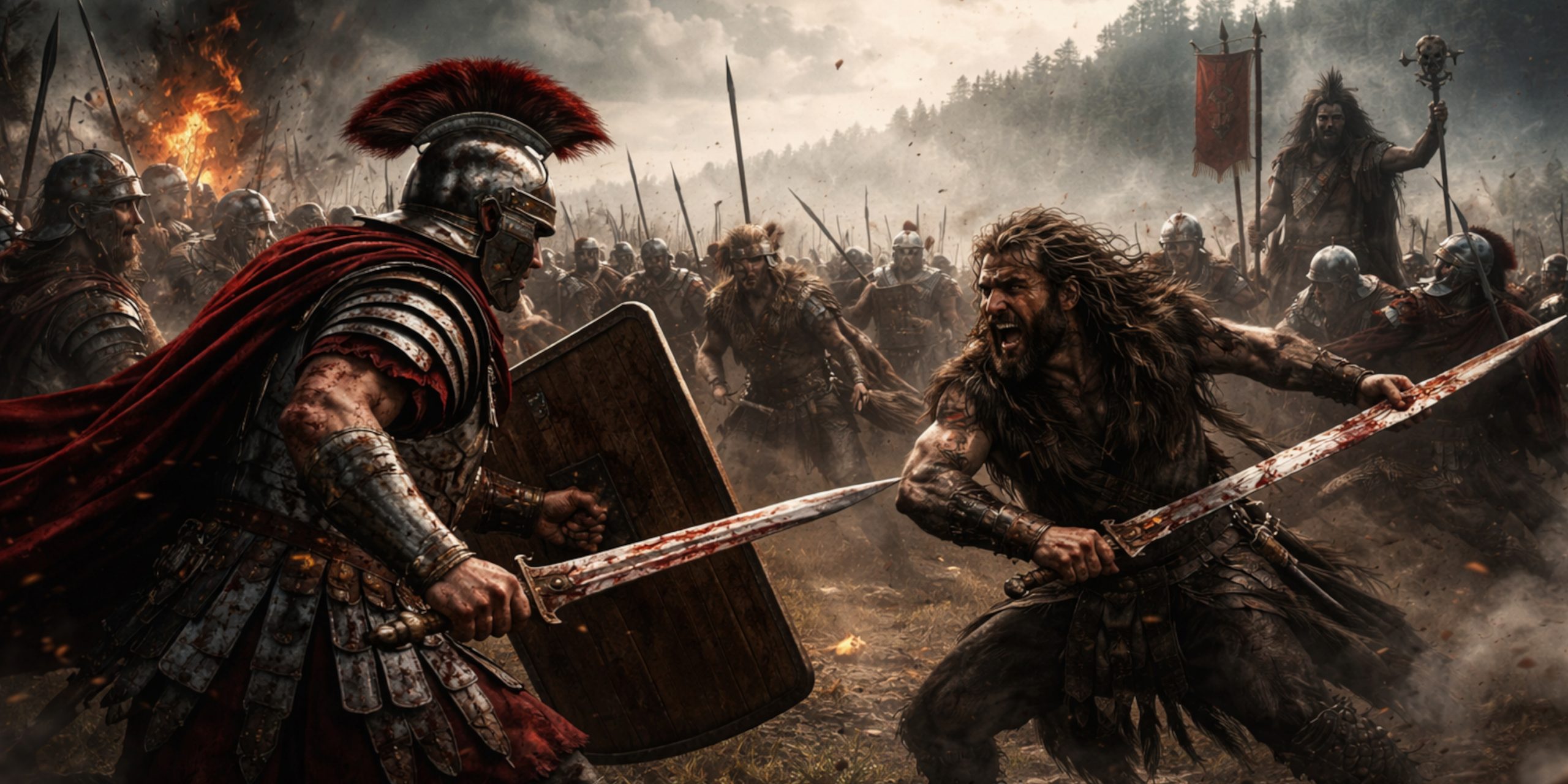
Britannia is messy, loud, occasionally brilliant, and historically slippery in ways that feel deliberate rather than careless. It is not trying to be a documentary. It is trying to feel like history. That difference matters, especially when it tackles the Roman invasion of Britain, one of the most written about and mythologised moments in British history.
What follows is a clear look at where the show lands close to the mark and where it leans into drama so hard that history quietly leaves the room.
The Roman Invasion as a Shock to the System
One thing Britannia absolutely understands is that the Roman invasion should feel unsettling. Rome arrives as an alien force, disciplined, bureaucratic, and spiritually hollow when placed next to the chaotic belief systems of Iron Age Britain. That is broadly right. When Roman forces landed in AD 43 under Claudius, Britain was not waiting politely to be civilised. It was fragmented, suspicious, and violently resistant to outside authority.
The series captures that psychological collision well. Romans do not just bring swords and armour. They bring roads, taxes, laws, and the slow erosion of local power. The sense that something irreversible is happening feels earned.
Where it slips is scale. The invasion unfolds like a creeping nightmare rather than a vast logistical operation involving tens of thousands of troops, fleets, supply chains, and months of planning. That choice suits television pacing, even if it compresses the sheer weight of Roman military power.
Roman Soldiers, Brutal but Too Modern
The show’s Romans are vicious, pragmatic, and often cruel. That part tracks. Roman warfare was methodical and merciless, especially when dealing with rebellion. Decimation, enslavement, and public punishment were tools of control, not accidents.
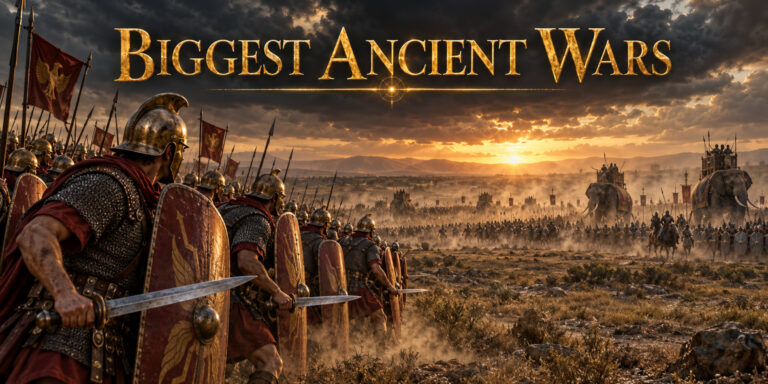
Visually, though, the legions feel more like a modern occupying army than a classical one. Armour is inconsistent, ranks are loose, and discipline comes and goes depending on the scene. Real Roman units lived and died by formation, drills, and cohesion. Chaos happened, but not as a default setting.
Still, the idea that Rome wins through organisation rather than raw ferocity is something Britannia gestures toward, even if it prefers blood-soaked drama over shield-wall geometry.
The Britons, Not Noble Savages, But Not Quite Right Either
This is where the series does some of its best and worst work at the same time.
It deserves credit for avoiding the old trope of painted primitives charging civilisation with no plan. The Britons in Britannia are politically sharp, internally divided, and fully capable of betrayal, negotiation, and long-term strategy. That is much closer to reality than most screen versions.
Where it stretches credibility is spiritual power. Druids are treated less like religious leaders and more like reality-warping figures who can bend armies through prophecy alone. Ancient sources such as Tacitus do describe druids as influential, feared, and politically potent, but not supernatural conductors of fate.
That said, the show understands something important. Belief mattered. Morale mattered. Symbols mattered. Rome took druidic authority seriously enough to target it deliberately. On that point, the series earns more credit than it is often given.
Violence and Chaos, Closer Than You Might Think
The invasion of Britain was not a neat campaign of banners and speeches. It was dirty, frightening, and often confusing for the people on the ground. Villages were destroyed. Alliances shifted overnight. Roman sources themselves admit to panic, missteps, and moments of near disaster.
Britannia leans into that chaos, sometimes excessively, but the emotional truth lands. Conquest is shown as destabilising rather than glorious. For a series made for entertainment, that is a surprisingly honest choice.
What the Show Misses Completely
Politics. Administration. The slow grind of occupation.
Rome did not just conquer Britain with swords. It held it with paperwork, local elites, infrastructure, and compromise. Client kings, tax systems, and gradual Romanisation are mostly absent because they do not make for wild television. Their absence skews the story toward endless resistance, when in reality many Britons adapted, collaborated, and prospered under Roman rule.
That does not make the series wrong. It makes it incomplete.
Seven Swords Takeaway
Britannia gets the emotional temperature of the Roman invasion right more often than it gets the facts right. It understands fear, disruption, and cultural collision in a way that many more careful historical dramas fail to capture.
If you want clean timelines and textbook accuracy, this will frustrate you. If you want to feel what it might have been like to watch Rome arrive at the edge of your world, steel-clad and certain it owned the future, the series earns its place.
History purists may wince. Curious viewers might learn something deeper than dates.
Watch the Trailer: