The Yamato Dynasty sits at the uncomfortable boundary between history and legend, which is exactly why it matters. This is the period when Japan stopped being a loose collection of rival clans and started experimenting with the radical idea of central authority. As a historian, I find Yamato endlessly frustrating and deeply compelling. The sources are biased, late, and politically motivated, yet without them there is no Japan as we understand it today. You can almost hear the court scribes clearing their throats as they write themselves into eternity.
Origins of the Yamato Power Base
The Yamato polity emerged in central Honshu during the late Kofun period, roughly the third to fifth centuries. Power was not inherited in neat lines but negotiated through marriage, ritual authority, and the ability to mobilise armed followers. The Yamato clan gained dominance by absorbing or crushing rival uji, then claiming divine legitimacy through descent from the sun goddess Amaterasu. It is a clever move, politically speaking. Argue with a god and you tend not to last long.
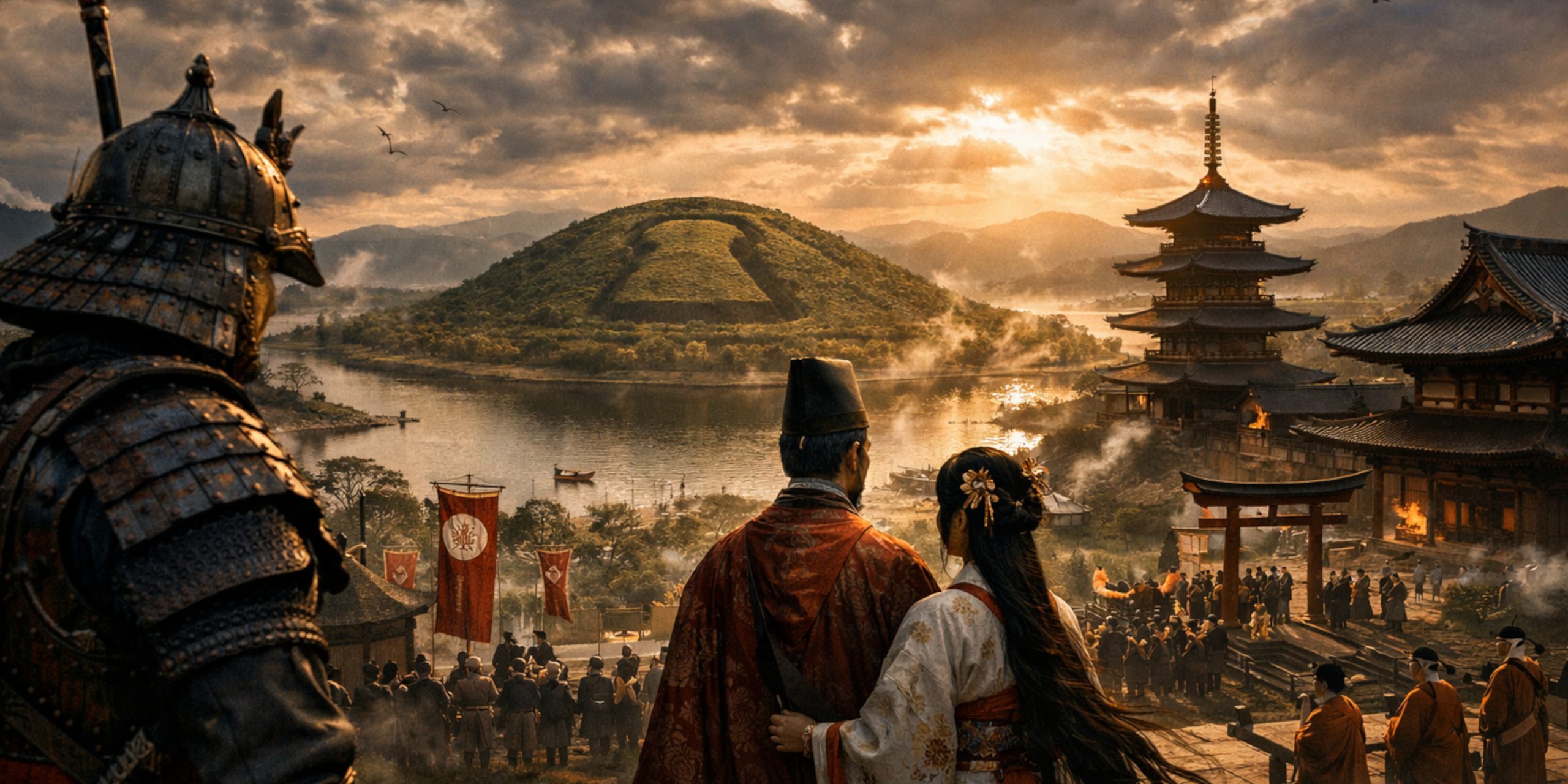
Archaeology tells us more than the texts are willing to admit. Massive keyhole shaped burial mounds known as kofun suggest a ruling elite with access to labour on an astonishing scale. You do not build monuments like that unless people believe you are worth obeying.
Myth, Memory, and Court Chronicles
Almost everything written about early Yamato comes from later compilations, most notably the Kojiki and Nihon Shoki in the eighth century. These texts were produced under imperial patronage and read like what they are, carefully curated origin stories. The early emperors live implausibly long lives, defeat enemies with suspicious ease, and display an irritating habit of being proved right.
That said, dismissing them outright would be lazy. Beneath the mythological gloss are hints of real conflicts, shifting alliances, and foreign influence. The trick is reading them sideways, with a raised eyebrow and a strong cup of tea.
Political Structure and Rule
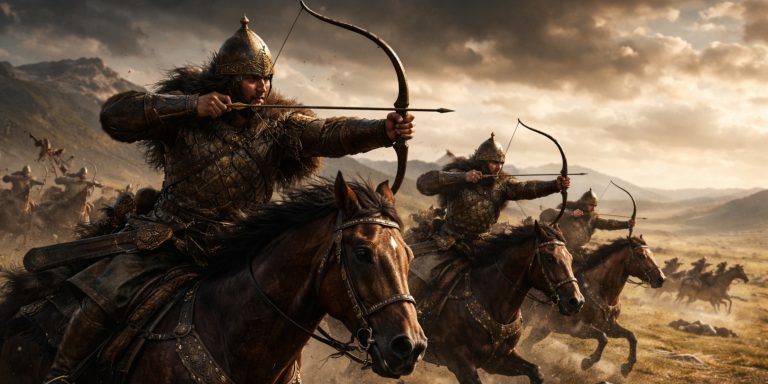
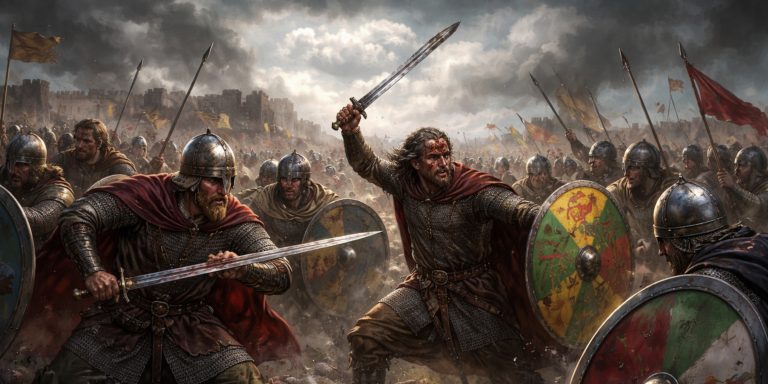
Yamato rule was personal rather than bureaucratic. Authority flowed from the ruler through kinship networks and ritual status. There was no standing army in the later sense, but military power rested with clan leaders loyal to the court. Succession disputes were frequent and occasionally lethal, which suggests the system worked only as long as the balance of power held.
By the sixth century, Yamato rulers were increasingly styled as sovereigns rather than simply first among equals. This change did not happen overnight and certainly not peacefully. Centralisation rarely does.
Religion, Ritual, and the Roots of Shinto
Religion under Yamato was inseparable from politics. Ritual performance validated rule, and control of sacred sites meant control of legitimacy. Early Shinto was not a unified belief system but a collection of local cults tied together under Yamato oversight. The imperial family’s role as chief ritualists mattered as much as their military backing.
This is where the dynasty shows real sophistication. Power was not only enforced, it was performed.
Buddhism and Cultural Transformation
The introduction of Buddhism in the mid sixth century changed everything. Initially controversial, it split the court between conservative clans and those eager to align with continental culture. The Yamato leadership eventually embraced Buddhism, not out of sudden enlightenment but because it offered literacy, diplomacy, and a powerful ideological framework.
Temple building became statecraft in stone. Horyu-ji still stands as a quiet reminder that politics once came with pagodas.
Foreign Relations and Continental Influence
Yamato Japan was never isolated. Diplomatic and cultural exchanges with the Korean kingdoms and China shaped court ceremony, writing, law, and military organisation. Envoys returned with texts, artisans, and ideas that transformed the ruling elite.
This period marks Japan’s decision to learn selectively from its neighbours, a habit it would perfect over the next millennium.
Timeline of the Yamato Dynasty
- c. 250 to 300: Emergence of powerful clans in the Yamato region during the early Kofun period
- c. 300 to 400: Construction of massive kofun burial mounds signalling elite consolidation
- c. 400 to 500: Yamato court expands influence across much of Honshu
- 538 or 552: Introduction of Buddhism to the Yamato court
- Late 500s: Increasing centralisation and rivalry between court factions
- Early 600s: Foundations laid for the later ritsuryō state system
Dates remain debated, which is historian shorthand for “everyone argues about this at conferences”.
Legacy and Historical Significance
The Yamato Dynasty created the framework of Japanese kingship that still exists today. Even if the early emperors are partly fictional, the institution they represent is very real. Yamato turned power into continuity, which is no small achievement.
As a female historian, I am always aware of who is missing from these stories. Women appear rarely and usually as political bridges or cautionary tales, yet archaeology hints they held real influence. Like much of early history, Yamato is quieter about women than it should be, which tells us as much about the writers as the rulers.
The Takeaway
The Yamato Dynasty is not a tidy story, and that is its strength. It is a record of ambition, belief, improvisation, and very human insecurity dressed up as divine certainty. Strip away the myth and you still find something impressive. A society experimenting, sometimes clumsily, with what it meant to be a state.
And yes, the sun goddess ancestry is suspicious. But if you were inventing a dynasty from scratch, you could do worse.