The Night Westeros Lost Its Innocence
Even if you’ve never watched Game of Thrones, you probably know about that scene. The Red Wedding wasn’t just a plot twist, it was a televised trauma. Viewers who’d spent years cheering for the Starks were blindsided by betrayal, violins, and a bloodbath that changed television forever.
I rewatched it recently, thinking maybe it wouldn’t hit as hard the second (okay, fifth) time. It did. It always does. And there’s a reason why this one massacre in a world full of massacres still leaves us all a bit breathless.
A Perfect Storm of Trust and Treachery
At its core, the Red Wedding worked because we were tricked into feeling safe. The Starks were finally getting a win, Robb had apologised to Walder Frey, and Edmure’s wedding seemed like a chance for reconciliation. The lighting was warm, the music was soft, and for once in Westeros, things looked… fine.
Then the doors shut, and the violins started.
It’s that sense of betrayal that hits hardest. Viewers had learned to expect the unexpected, but this? This was different. The Red Wedding took the show’s emotional rules and shredded them like Lannister crossbow bolts through chainmail.
Brutal Realism Meets Emotional Manipulation
There’s also the sheer realism of it. No slow-motion heroics, no rousing music, no chance of escape. Just the cold, methodical extermination of a family we’d grown to love. It wasn’t fantasy anymore; it was horror.
Director David Nutter shot it with intimacy and restraint. The camera doesn’t flinch, which makes it worse. The violence feels personal, claustrophobic. It’s not spectacle, it’s slaughter.
And let’s not ignore the music. “The Rains of Castamere” will forever sound like dread set to strings. When that tune starts playing, your stomach knows before your brain does.
Emotional Investment: The Stark Effect
The Red Wedding didn’t just kill characters, it killed hope. Robb, Catelyn, Talisa, even Grey Wind, every loss felt like a piece of the show’s heart being ripped out. The Starks represented decency and honour in a world that rewarded cruelty, so watching them fall felt like watching morality itself die.
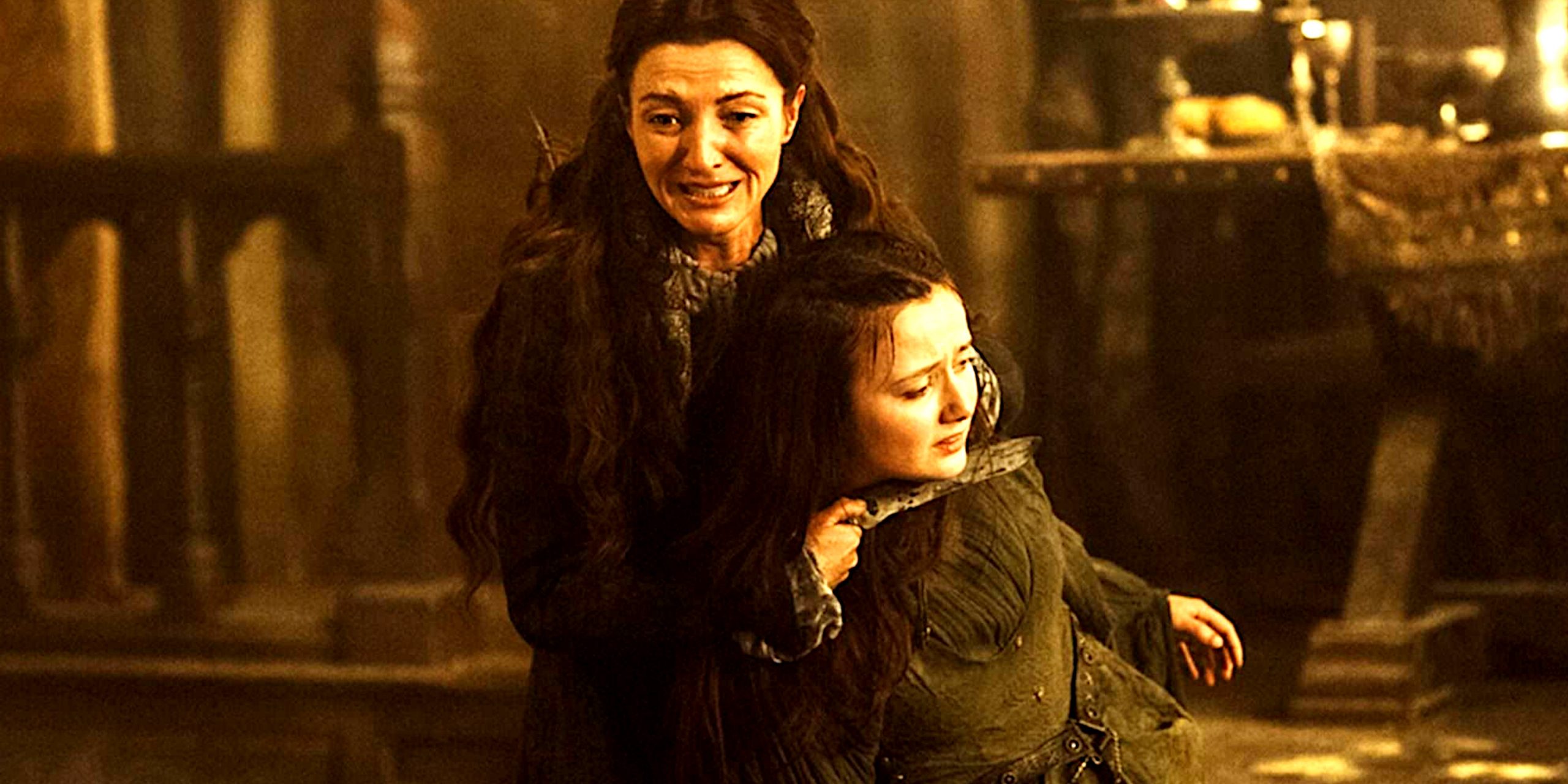
It’s not just grief either, it’s the humiliation. Catelyn’s scream, Robb’s blank stare, Walder Frey’s smirk. You feel powerless because they are powerless. It’s the kind of TV moment that sticks in your throat like a curse you can’t spit out.
Breaking the Rules of Storytelling
The Red Wedding wasn’t just shocking, it was revolutionary. Killing your main characters halfway through a series was almost unthinkable in 2013. This wasn’t shock for shock’s sake, it was storytelling evolution. George R.R. Martin tore down the narrative safety net and reminded everyone that in Westeros, justice and destiny don’t exist.
That raw unpredictability changed how audiences watched television. Suddenly, no one was safe. Every dinner invitation, every handshake, every lull in tension became suspicious. The Red Wedding rewired how we consume drama.
A Cultural Scar That Never Fades
Even now, memes about “The Rains of Castamere” still make people nervous. Reaction videos from first-time viewers are practically a genre on their own. It’s one of those rare pop culture moments that transcends the show itself, like “I am your father” or “Heisenberg knocks.”
The Red Wedding didn’t just break hearts, it broke the fourth wall. It made us question whether we even wanted to keep watching, yet somehow, we couldn’t look away.
Why It Still Hurts
Rewatching the Red Wedding is like touching a bruise you know hasn’t healed. It’s a masterpiece of pacing, emotion, and horror that feels as fresh now as it did over a decade ago. The performances are raw, the writing merciless, and the silence afterward deafening.
The shock lingers because it was never just about who died, but what died, the illusion that honour wins, that good people make it to the end, that stories play fair.
Seven Swords Takeaway
The Red Wedding remains the benchmark for television tragedy. It’s not just unforgettable because it was brutal, but because it felt inevitable. Westeros had always been cruel, but this was the night it stopped pretending otherwise.
Every time I rewatch it, part of me still hopes for a different ending. That’s how you know a story has carved itself into the culture. It doesn’t fade, it festers, beautifully, horrifyingly, perfectly.