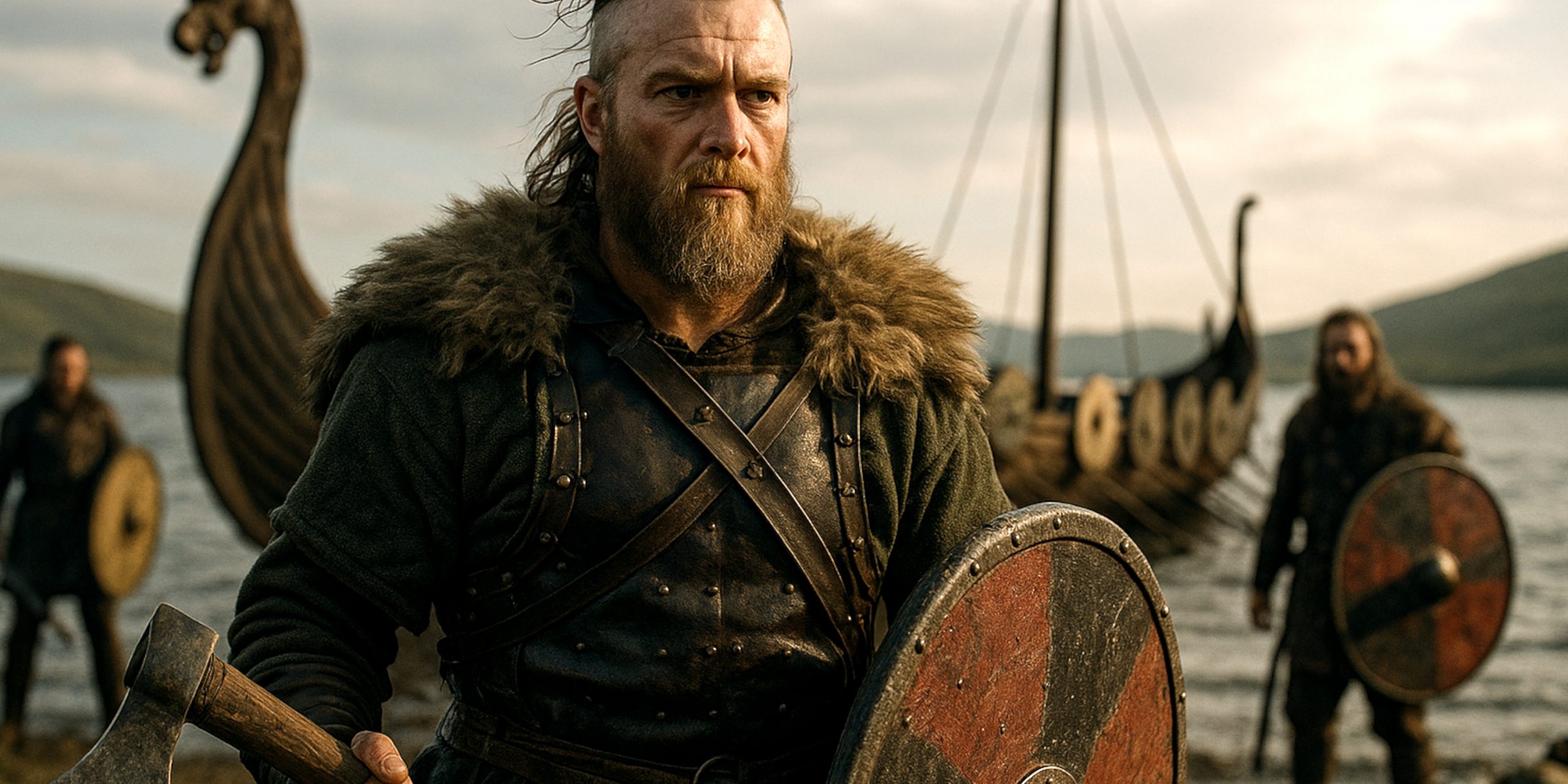
The Vikings are one of those historical subjects that everyone thinks they know, but most people are running on half-truths and TV clichés. Between the raiding, the longships, and the horned helmets (we’ll get to that nonsense), it is easy to confuse legend with fact. So let’s cut through the saga-worthy fluff and get to the good stuff: what’s real, what’s rubbish, and what makes the Vikings genuinely fascinating.
7 Facts About the Vikings
1. They were skilled traders, not just raiders
Yes, Vikings did their fair share of pillaging, but many of them were traders who dealt in silver, furs, amber, and even slaves. They set up vast networks stretching from Scandinavia to Byzantium and beyond.
2. Their longships were engineering marvels
The Viking longship wasn’t just a boat, it was a weapon. Sleek, fast, and able to navigate both open seas and shallow rivers, it gave them a tactical edge few could counter.
3. Vikings reached North America
Centuries before Columbus bumbled his way west, Leif Erikson and his crew landed in what is now Newfoundland, establishing a short-lived settlement at L’Anse aux Meadows.
4. They had a complex legal system
Forget the image of axe-waving chaos. Vikings held Things (assemblies) where disputes were settled, laws were discussed, and communities made decisions. It was an early form of democracy, in its own rough-edged way.
5. Women had more rights than in much of medieval Europe
Viking women could inherit property, divorce their husbands, and reclaim dowries. They still lived in a patriarchal world, but compared to their contemporaries, they had some clout.
6. Vikings were expert craftsmen
From shipbuilding to weapon forging to intricate jewellery, their craftsmanship was renowned. Archaeological finds show stunning detail in brooches, swords, and even simple tools.
7. Norse mythology shaped their worldview
The gods weren’t just bedtime stories. Belief in Odin, Thor, and Freyja guided daily life, warfare, and rituals. Dying in battle wasn’t just an end, it was a ticket to Valhalla.
7 Myths About the Vikings
1. They wore horned helmets
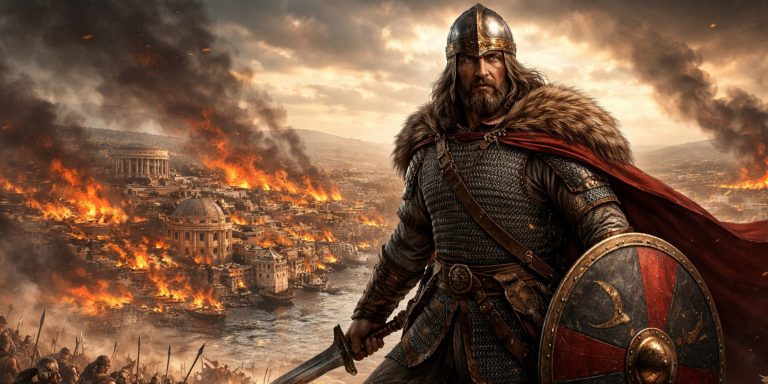
Let’s kill this one once and for all. No archaeological evidence supports it. The image comes from 19th-century romanticism and Wagnerian opera costumes.
2. They were dirty and unkempt
Actually, Vikings cared about grooming. Excavations reveal combs, razors, and tweezers. If anything, they were cleaner than the average medieval Englishman.
3. They were one united people
There was no single Viking nation. They were a mix of Norwegians, Danes, and Swedes, often fighting each other as much as anyone else.
4. They only raided and destroyed
While raids made headlines (and monk-written history books), Vikings also established thriving settlements in England, Ireland, France, and Russia. Many became farmers and integrated locally.
5. They all had blond hair and blue eyes
Genetic studies show a wide variety of appearances. Dark hair was common, and the Norse interacted with so many cultures that “the Viking look” is a modern invention.
6. They lived in constant warfare
Life wasn’t one endless battle. Farming, fishing, and family life took up far more time than raiding did. Wars were seasonal, not nonstop.
7. They disappeared after 1066
The Viking Age didn’t end with Stamford Bridge. Norse influence carried on through settlements, trade, and culture. The descendants of Vikings became rulers, traders, and even kings in parts of Europe.
The Seven Swords Takeaway
The Vikings were not the horned-helmeted brutes of pop culture, nor were they saintly merchants. They were both brutal raiders and savvy traders, farmers and explorers, craftsmen and warriors. That blend is what makes them fascinating. If you want neat categories, history rarely gives them to you, and the Vikings certainly didn’t.