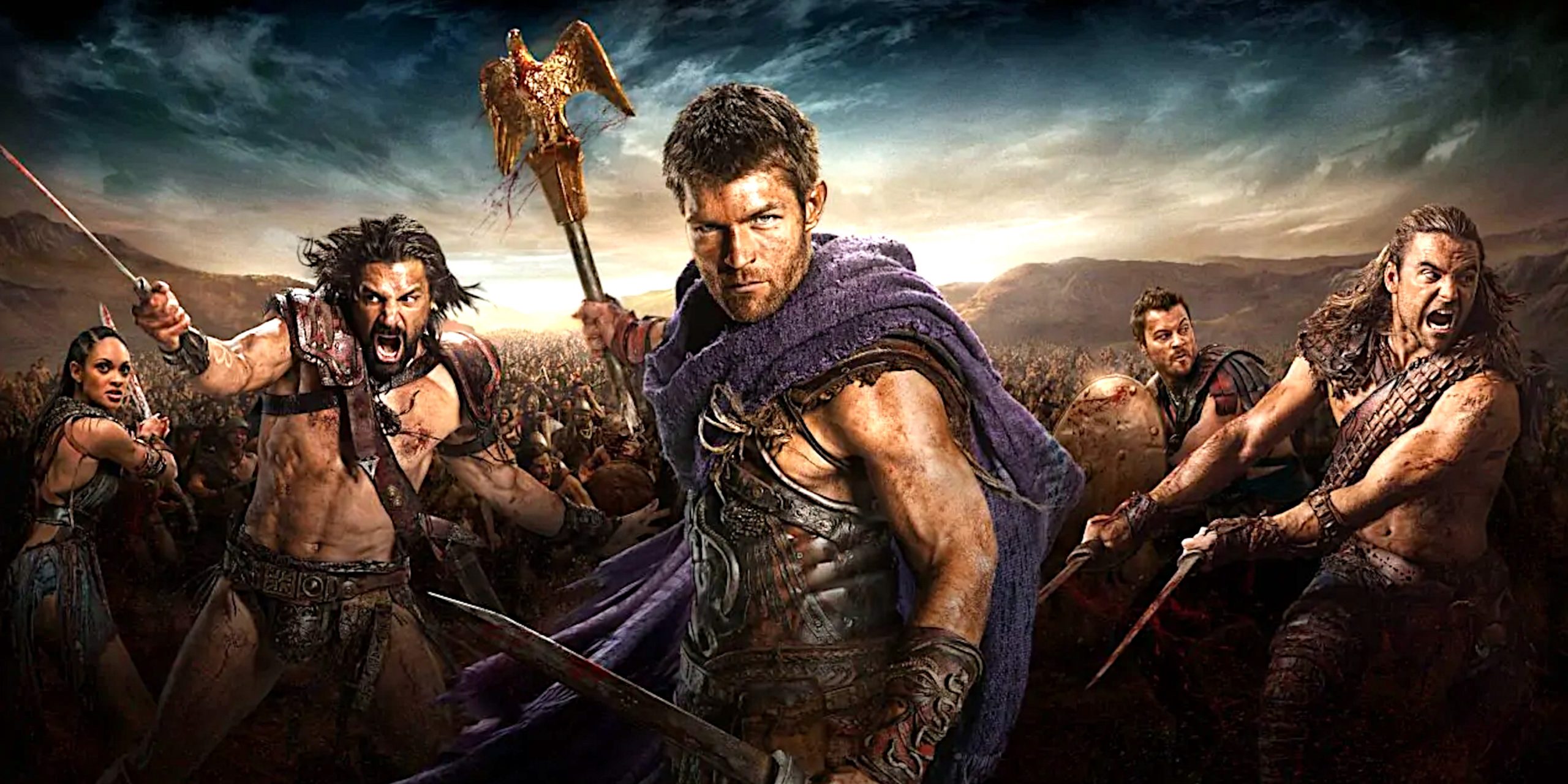
By the time Spartacus: War of the Damned arrived, the show had already burned through gods, gladiators, and enough slow motion blood to fill a small swimming pool. This final season was never about surprise. We all knew where Spartacus was heading. Rome always wins eventually. The question was how much it would hurt getting there, and whether the show could land its ending without tripping over its own legend.
It turns out this was the sharpest, most focused season of the series. Less indulgent, more fatalistic, and quietly confident in what it was trying to say.
A Season Built Around the End
From the opening episodes, War of the Damned makes its intentions clear. This is not another rise to power arc. Spartacus is already a symbol. The rebel army is vast, messy, and running out of options. Every decision carries weight because there is no reset button left.
What works is the pacing. The season trims excess subplots and keeps circling the same question. Can rebellion survive once it becomes an army. The answer, historically speaking, is no. The show does not dodge that reality. It leans into it.
Spartacus as a Leader, Not a Myth
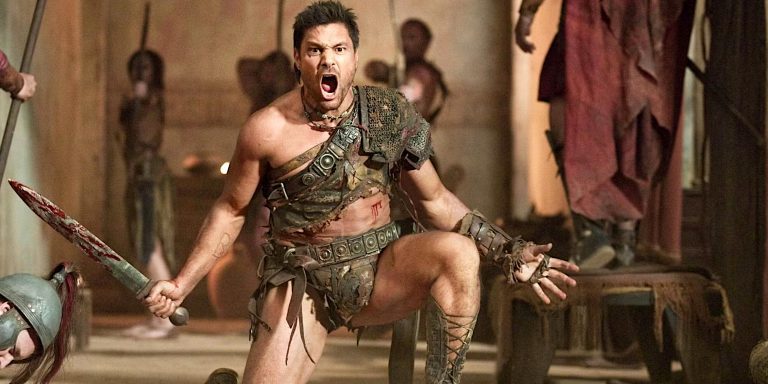
Liam McIntyre’s Spartacus comes into his own here. Earlier seasons asked him to replace Andy Whitfield, which was never an easy job. By this final run, he stops trying to echo the past and settles into something quieter and heavier.
This Spartacus is exhausted, stubborn, and increasingly aware that victory may not mean survival. He is not chasing glory. He is buying time. That shift makes the character feel more human than ever, even as the legend hardens around him.
There is also a welcome honesty in how leadership is portrayed. Spartacus doubts himself. He makes bad calls. People die because of them. The show does not frame him as flawless, which is exactly why his final stand works.
Crassus and Caesar Steal the Spotlight
Every great rebellion needs an even greater opposition, and Marcus Licinius Crassus delivers. Simon Merrells plays him with cold patience rather than bombast. He studies Spartacus like a problem to be solved, not a monster to be feared.
Then there is Caesar. Sharp, ambitious, and faintly terrifying in how adaptable he is. Todd Lasance’s version feels like a preview of the political animal he will become. Watching Caesar learn, observe, and occasionally improvise his way through the rebel war is one of the season’s quiet joys.
Rome feels smarter this year, and that makes the rebels’ situation feel genuinely hopeless.
Violence With Purpose
Yes, the blood is still here. Limbs still fly. Someone is always mid scream. The difference is intent. The violence in War of the Damned feels less like spectacle and more like consequence.
Battles are chaotic, ugly, and costly. Named characters die suddenly. Victories feel hollow. Even the show’s trademark excess takes on a grim tone, as if it knows the party is almost over and nobody is pretending otherwise.
Brotherhood, Loyalty, and Loss
What anchors the season emotionally is the relationships. Spartacus and Crixus never fully agree, but they understand each other in ways nobody else can. Gannicus continues to mask grief with humour until the mask slips. Agron’s arc brings the most grounded emotional payoff of the series.
These moments matter because the show gives them space. Not every scene needs a sword. Sometimes it just needs two people admitting they are afraid.
The Finale and Its Legacy
The final episodes do not flinch. Spartacus does not win. Rome does not forgive. The ending is brutal, inevitable, and strangely respectful. The show allows Spartacus to become what history remembers without pretending that history was kind.
What lingers is not the gore or the speeches, but the idea that resistance still mattered, even in defeat. The rebels lose the war, but they deny Rome an easy victory. That feels like the most honest ending the show could have chosen.
The Seven Swords Takeaway
Spartacus: War of the Damned is not perfect, but it is confident. It understands its own limits and leans into them. This is a show that started loud and chaotic, then learned how to be disciplined just in time for its final bow.
As endings go, it earns its scars. Tragic, defiant, and surprisingly thoughtful, this was the rare historical epic that knew when to stop swinging and let the silence land.
Watch the trailer: