The Spartacus franchise has always been chaotic in the best possible way. Blood, politics, doomed ambition, and enough slow motion to make history teachers nervous. If you are coming to the series fresh, or circling back after years away, the timeline can look more confusing than a Roman census. With the arrival of House of Ashur, the chronology finally gets a new twist, and it is worth setting everything straight.
What follows is the cleanest, most sensible way to watch Spartacus in 2026, with context, historical grounding, and a bit of commentary from someone who still remembers watching Blood and Sand for the first time and wondering how this ever made it onto television.
Where Spartacus Sits in History
Before the swords come out, it helps to know where we are in Roman history. The series is loosely based on the Third Servile War, which took place between 73 and 71 BC. Rome is powerful but politically brittle, with figures like Crassus and Pompey circling for influence while the Republic quietly rots from the inside.
The show is not a documentary and never pretends to be. It borrows names, places, and broad events, then remixes them with gladiatorial spectacle and soap opera instincts. If you accept that early, you will enjoy it much more.
Spartacus, Blood and Sand

This is where most people begin, and it still works as the ideal entry point.
Spartacus: Blood and Sand introduces Spartacus himself, a Thracian auxiliary betrayed by Rome and sold into the gladiatorial system at Capua. The first half is deliberately contained, focusing on the ludus of Batiatus, its brutal training regime, and the poisonous household politics behind the scenes.
From a timeline perspective, this series establishes every major relationship that matters. Spartacus and Crixus. Batiatus and Lucretia. Ashur quietly surviving by being smarter than everyone else. The second half pivots into open rebellion, and by the finale the show has burned most of its bridges in spectacular fashion.
If you are new, stick with the early episodes. The tone sharpens quickly, and by the time the arena politics start clicking, the series becomes far more than shock value.
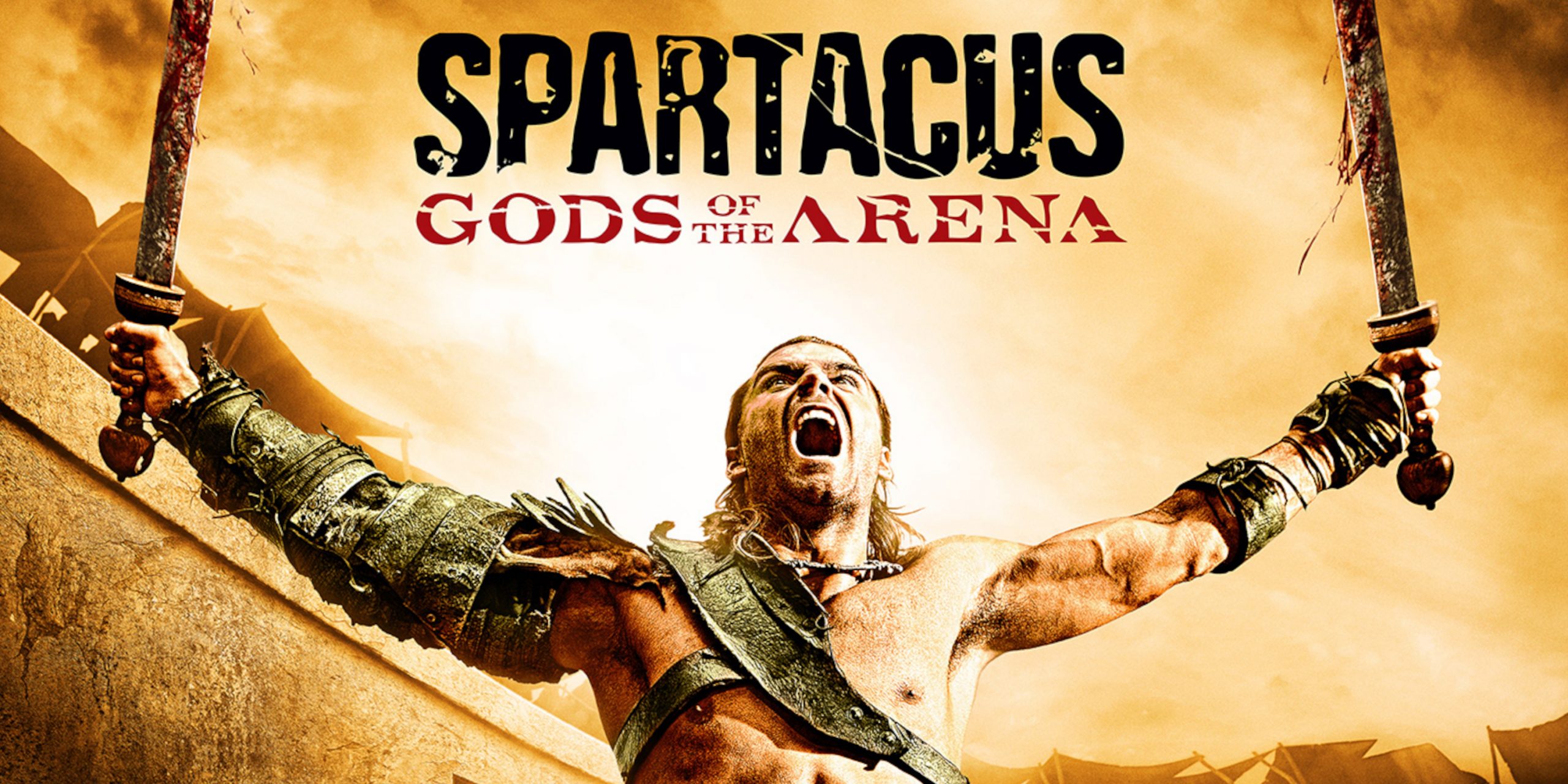
Gods of the Arena

Chronologically, this comes first. Practically, it should come second.
Spartacus: Gods of the Arena is set several years before Blood and Sand and focuses on Gannicus, the rise of Batiatus, and the original structure of the Capuan ludus.
Watching it after Blood and Sand adds weight to everything. You already know how these characters end up, which makes their earlier victories feel tragic rather than triumphant. It also reframes Ashur as more than a schemer, showing exactly how he learned to survive Rome without ever truly belonging to it.
From a production point of view, this is where the show matures. The writing tightens, the character arcs are cleaner, and the violence feels more purposeful. It is also the point where many fans realise Spartacus is smarter than its reputation suggests.
Vengeance
If Blood and Sand is about captivity, Spartacus: Vengeance is about chaos.
The rebellion is now public. Rome is embarrassed. The slaves are disorganised, angry, and learning how to become an army while being hunted by one of the most powerful states in history. The recasting of Spartacus could have sunk the show, but instead it leans into a colder, more strategic version of the character.
Timeline wise, this season covers the early phase of the slave war. The rebels are mobile, desperate, and constantly short on supplies. It also marks Ashur’s rise within Roman power structures, setting the foundation for what would later justify his own spin off.
This is the most uneven season, but also the most politically interesting. Rome finally feels like Rome rather than a backdrop.
War of the Damned
Everything funnels toward this point.
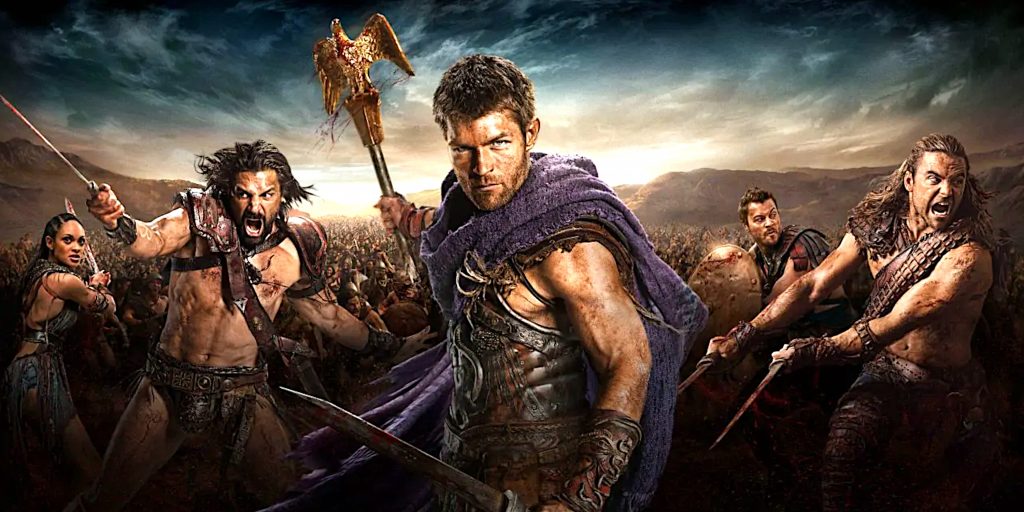
Spartacus: War of the Damned introduces Crassus as a serious antagonist and treats the conflict with more gravity. The spectacle remains, but it is tempered by inevitability. You know how slave revolts end in Roman history, and the show never pretends otherwise.
This season completes the historical arc of the Third Servile War. Spartacus becomes less a man and more a symbol, while Rome closes ranks and reminds everyone why rebellion rarely ends well.
From a timeline perspective, this is the end of the core Spartacus story. Everything after this point exists in parallel rather than continuation.
House of Ashur
This is where things get interesting.
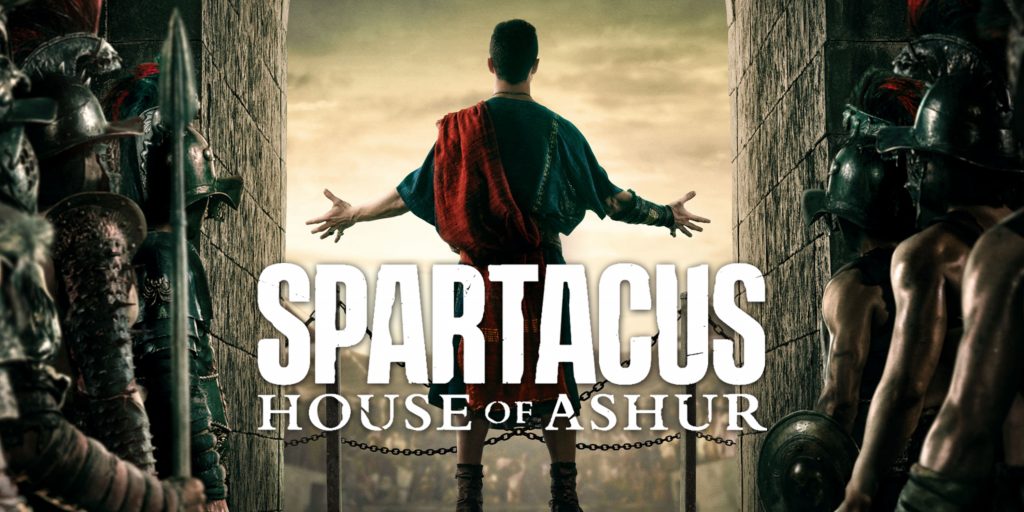
House of Ashur is not a sequel in the traditional sense. It explores an alternate path centred on Ashur, a character who always survived by adapting faster than the world around him.
Rather than continuing the slave war, the series pivots back toward Roman politics, intrigue, and the mechanisms of power that allowed men like Ashur to thrive without ever earning respect. Think less battlefield heroics and more knives behind the curtain.
In timeline terms, House of Ashur runs alongside the later seasons of Spartacus rather than after them. It fills gaps, reframes events, and leans into the idea that history is shaped just as much by survivors as by martyrs.
For long time fans, it rewards attention to detail. For newcomers, it works best once you understand what Ashur represents within the original series.
Recommended Watch Order for 2026
If you want the cleanest experience without spoilers undermining emotional beats, this order still holds up:
Start with Blood and Sand
Move to Gods of the Arena
Continue with Vengeance
Finish with War of the Damned
Then watch House of Ashur as a companion piece
Yes, the prequel comes second. It lands harder that way.
Why the Spartacus Timeline Still Works
What makes Spartacus endure is not historical accuracy but internal consistency. Characters remember what they have done. Violence has consequences. Power shifts feel earned rather than convenient.
The addition of House of Ashur does not cheapen the original ending. Instead, it expands the world sideways, asking what happens to the men who never stand in the spotlight but still shape outcomes.
It is rare for a franchise built on spectacle to age this well. Even rarer for a spin off to justify its existence without rewriting the past.
Seven Swords Takeaway
Spartacus remains one of those shows people underestimate until they sit down and actually watch it. Yes, it is excessive. Yes, the dialogue sometimes sounds like it was sharpened on a whetstone. But beneath that is a surprisingly thoughtful exploration of power, identity, and survival in a system designed to crush anyone without status.
If you are revisiting the series in K6 or discovering it for the first time, the timeline matters more than ever. Watch it in the right order, and it rewards patience.
Rome always does.
Watch the Trailer: