Sean Bean’s Iconic Role, Napoleonic Battles, and the Brotherhood That Captivated a Generation
A Rogue’s Rise in the Shadow of War
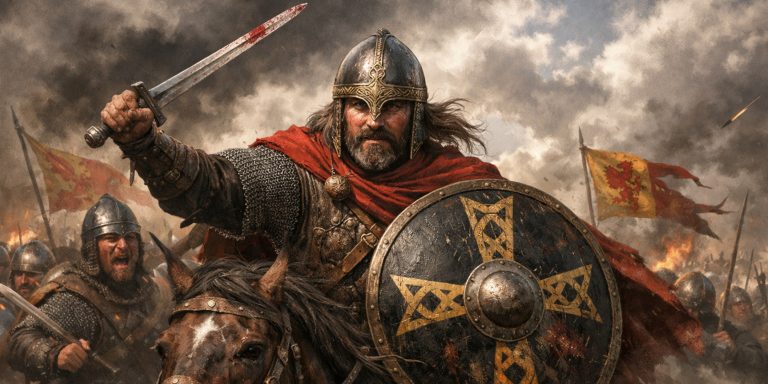
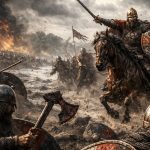
Amid cannon smoke and the mud of the Napoleonic Wars, one soldier’s climb from street brawler to officer became the stuff of British TV legend.
Sharpe, adapted from Bernard Cornwell’s best-selling novels, stormed onto ITV in 1993, blending grit, honour, and Sean Bean’s defining role as Richard Sharpe – a working-class hero clawing his way through Wellington’s army.
Across 16 feature-length episodes over 15 years, the series fused loyalty, ambition, and blood-stained realism, cementing itself as one of British television’s great war sagas.
Behind the Scenes: The Making of a Television Regiment
Filmed across Crimea, Turkey, and India, Sharpe brought the Peninsular War to life with staggering authenticity and a £1 million-per-episode budget – blockbuster money for the 1990s.
The production spared no effort in recreating sieges like Badajoz and the chaos of Waterloo, blending practical explosions with battlefield choreography that felt almost documentary-level real.
Sean Bean’s commitment was legendary. He performed 95% of his own stunts, picked up a few real scars, and famously kept Sharpe’s sword as a memento.
Key Collaborators
| Contributor | Role | Contribution |
|---|---|---|
| Bernard Cornwell | Author | Made cameo appearances as a rifleman to ensure historical authenticity. |
| Tom Clegg | Director | His military background gave the battle scenes their brutal realism. |
| John Tams | Composer | Created the folk-infused score, including Over the Hills and Far Away, which became inseparable from the series. |
Brothers in Arms: Characters That Defined the Series
The magic of Sharpe wasn’t just in the battles, but in the camaraderie. The characters felt like a real regiment, full of rogues, heroes, and enemies you secretly rooted for.
- Richard Sharpe (Sean Bean) – The ultimate antihero. A Yorkshire-born outsider hated by officers but adored by his men.
- Sgt. Patrick Harper (Daragh O’Malley) – A giant with a heart of gold and a seven-barrelled gun that broke more shoulders than enemies.
- The Duke of Wellington (Hugh Fraser) – A sharp-tongued tactician whose aristocratic wit could wound more deeply than musket fire.
- The Villains – From Pete Postlethwaite’s deranged Obadiah Hakeswill to a young Daniel Craig as a sadistic dragoon, the antagonists were as memorable as the heroes.
Epic Battles and Historical Accuracy
Despite its flair for drama, Sharpe earned praise from historians for nailing much of the military detail. Still, it wasn’t afraid to take creative licence when needed.
What It Got Right
- Riflemen’s tactics: Use of terrain, cover, and skirmish lines.
- Wellington’s wit: The “Publish and be damned!” quote came straight from real letters.
- Chronology: Key battles like Talavera, Salamanca, and Waterloo followed historical order.
What It Bent for Drama
- Sharpe’s Sword: The 1796 Heavy Cavalry blade was chosen for cinematic weight, not accuracy.
- Condensed timelines: The Siege of Badajoz occurs years early for pacing.
- Sharpe’s rise: Promotions from private to captain were practically unheard of – but who’s arguing with good television?
Armoury of the 95th: Weapons That Made History
The weapons in Sharpe became icons themselves, perfectly mirroring the characters who wielded them.
| Weapon | Description |
|---|---|
| 1796 Heavy Cavalry Sword | Sharpe’s personal blade – straight, brutal, and honest. Much like the man himself. |
| Nock Volley Gun | Harper’s infamous seven-barrelled beast. Historically impractical, visually magnificent. |
| Baker Rifle | The pride of the 95th Rifles, capable of deadly precision up to 200 yards. Reload time trimmed down for TV pacing, naturally. |
Legacy: How Sharpe Redefined Historical Drama
Before The Last Kingdom or Game of Thrones, there was Sharpe – the show that proved historical storytelling could be both cerebral and thrilling.
- Sean Bean’s Launchpad: It catapulted him toward Boromir and Ned Stark, solidifying his “honourable man doomed to die” archetype.
- Tourism & Fandom: From reenactment groups to “Sharpe’s Rifles” conventions in Yorkshire, the fandom remains fiercely loyal.
- Cornwell’s Empire: Over 20 million book sales and new novels like Sharpe’s Assassin keep the musket smoke rising.
- Digital Revival: TikTok edits, YouTube clips, and that haunting theme have found a new generation of fans who still think it’s “better than a wet day in Dublin.”
Where to Watch
- Streaming: All 16 episodes available on BritBox and Amazon Prime Video.
- Collector’s Editions: DVD/Blu-ray sets include unseen footage and Sean Bean’s commentary.
- Immersive Experiences: Visit filming locations in Portugal or attend reenactments at Kent’s Historic Dockyard.
Final Salute: “Remember You’re a Rifleman!”
Thirty years on, Sharpe still strikes a nerve. It’s about class, grit, and loyalty – outsiders carving honour from the chaos of empire.
As Bernard Cornwell once said, “Sharpe’s not perfect, but he’s perfect for his time.”
And if you’re new to it, start with Sharpe’s Rifles (1993), then march straight to Sharpe’s Waterloo (1997).
“Now that’s soldiering.” – Richard Sharpe, Sharpe’s Eagle.
Watch Sharpe’s Rifles (Full Episode)