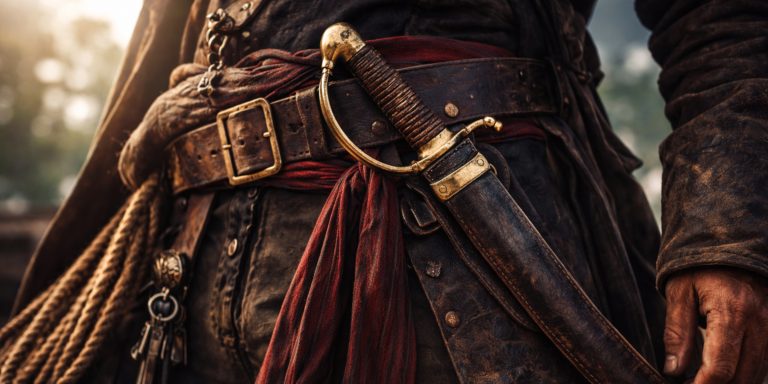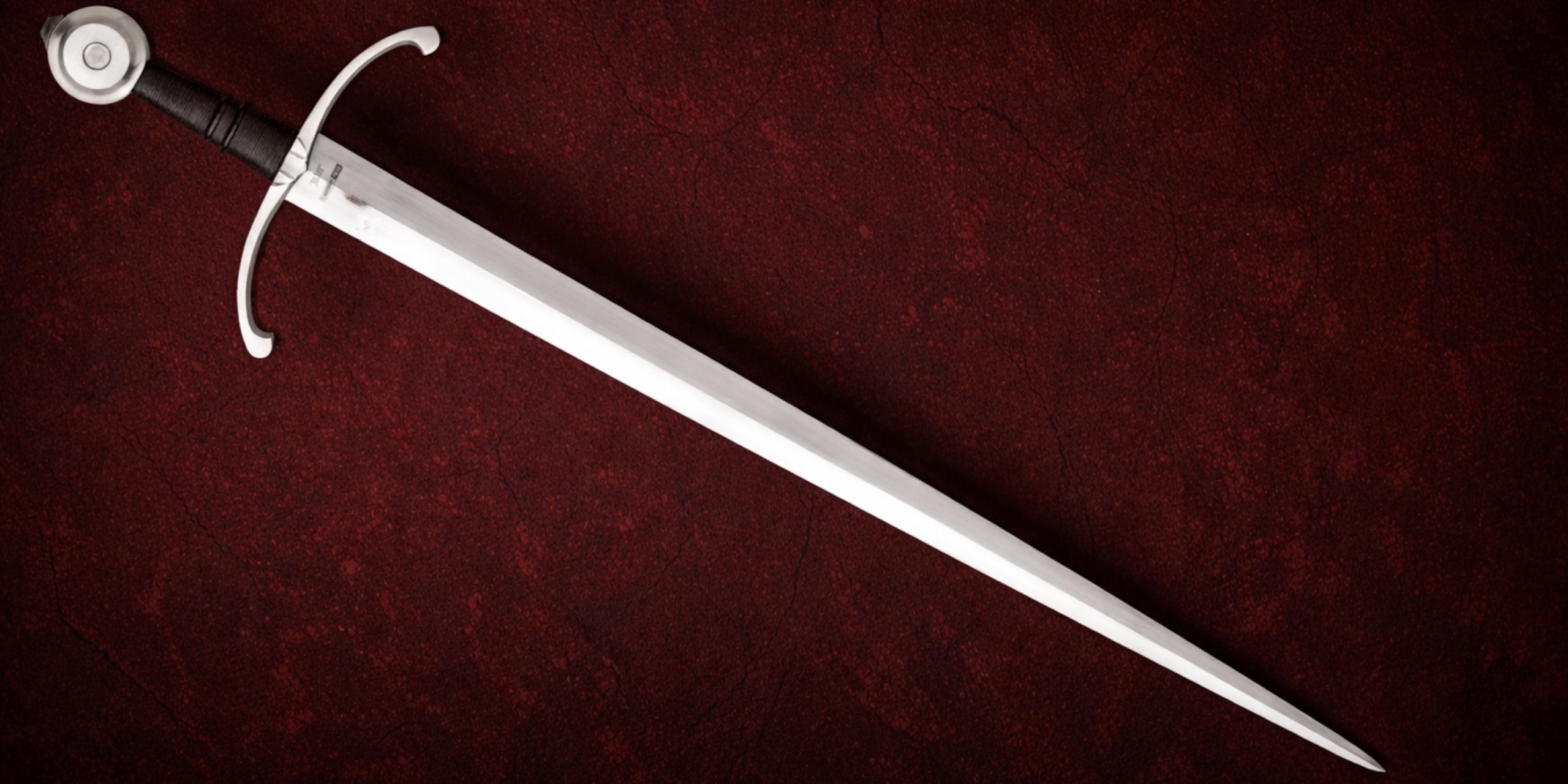
The Oakeshott Type XVIII sits at a turning point in European sword design. It is a weapon shaped by the realities of late medieval warfare, when plate armour was common and blunt cutting power alone was no longer enough. These swords are defined by control, precision, and a very deliberate focus on the thrust. When people talk about the late medieval sword at its most refined, they are often picturing a Type XVIII.
Type XVIII swords emerge in the later 14th century and remain in use well into the 15th. They reflect a mature response to armoured combat, balancing stiffness for thrusting with just enough edge geometry to remain useful against lighter targets. They are not flashy weapons. They are efficient, practical, and quietly deadly. To my mind, they represent the sword at its most honest.
Specification
Typical characteristics vary, but the core profile is consistent across surviving examples.
| Feature | Typical Range |
|---|---|
| Date | c. 1350 to 1500 |
| Blade length | 75 to 90 cm |
| Overall length | 95 to 115 cm |
| Blade section | Diamond or flattened diamond |
| Point | Very acute |
| Grip | One or two handed variants |
| Weight | 1.2 to 1.6 kg |
| Primary role | Thrusting, armoured combat |
Key identifying features:
- Strong taper from hilt to point
- Rigid blade with little to no fuller
- Narrow, sharply defined tip
- Optimised balance close to the hilt
History and Evolution
Type XVIII develops as armour improves. Earlier cutting focused swords struggle against full plate, so blades become narrower and stiffer. This type sits alongside other late medieval thrusting forms, but it is more versatile than many specialist designs.
Subtypes such as XVIIIa and XVIIIb stretch the form into true longswords, suited to half sword techniques and judicial combat. The family as a whole shows how sword design adapted without abandoning versatility. These were battlefield weapons, not curiosities.
Advantages and Disadvantages
Advantages
- Excellent thrusting capability against mail and plate gaps
- Strong blade stiffness improves point control
- Effective in both one handed and two handed use
- Versatile across armoured and lightly armoured opponents
Disadvantages
- Less cutting power than broader earlier types
- Demands good technique to use effectively
- Narrow blades are less forgiving on poor edge alignment
Comparison with Similar Weapons
Type XVIII is often confused with several related forms, but the differences matter.
| Type | Key Difference |
|---|---|
| Type XV | Even stiffer and more thrust focused |
| Type XVI | Retains a fuller and better cutting ability |
| Type XVII | Heavier, more brutal, less refined |
| Type XVIIIa | Longer grip and blade, true longsword form |
In short, Type XVIII strikes a balance. It thrusts almost as well as the XV, but cuts better and handles more gracefully.
Legacy
The influence of Type XVIII carries forward into early Renaissance civilian swords and longswords. Its emphasis on point control feeds directly into fencing traditions that prioritise precision over raw force. Many later weapons owe their proportions and philosophy to this design, even when the battlefield role of the sword begins to fade.
Where to See Type XVIII Swords
Excellent surviving examples can be found in major European collections.
- The Wallace Collection, London
- Royal Armouries, Leeds
- Deutsches Historisches Museum, Berlin
- Musée de l’Armée, Paris
The Wallace Collection in particular holds several late medieval swords that show the type at its best, with elegant lines and minimal ornament.
Collector’s Guide and Auction Prices
Original Type XVIII swords are scarce and highly sought after. Condition, provenance, and originality matter enormously.
Typical market ranges:
- Fragmentary examples: £4,000 to £8,000
- Complete but worn swords: £10,000 to £25,000
- High quality, well preserved examples: £30,000 to £60,000+
What collectors should look for:
- Consistent blade geometry without modern regrinding
- Period correct tang construction
- Honest wear rather than aggressive restoration
- Documented provenance where possible
Modern replicas vary wildly in quality. Many look the part but lack the stiffness and balance that define the type.
Sevenswords Takeaway
Type XVIII swords feel like the work of people who understood exactly what they needed from a weapon. There is no excess here, no wasted mass, no decorative indulgence that compromises function. They reward skill, punish laziness, and remind us that by the late Middle Ages, sword design had reached a level of sophistication that still impresses today.