Toledo has a habit of being spoken about in reverent tones, as if its blades emerged fully formed from legend rather than sweat, noise, and failed experiments. As a historian, I find that flattering but also slightly misleading. Toledo’s greatness was forged slowly, hammered into shape by generations of smiths who rarely signed their work and even more rarely enjoyed the fame later attached to their city. What survives is a reputation so durable the word “Toledo” became a guarantee rather than a place.
Why Toledo Became a Bladesmith’s City
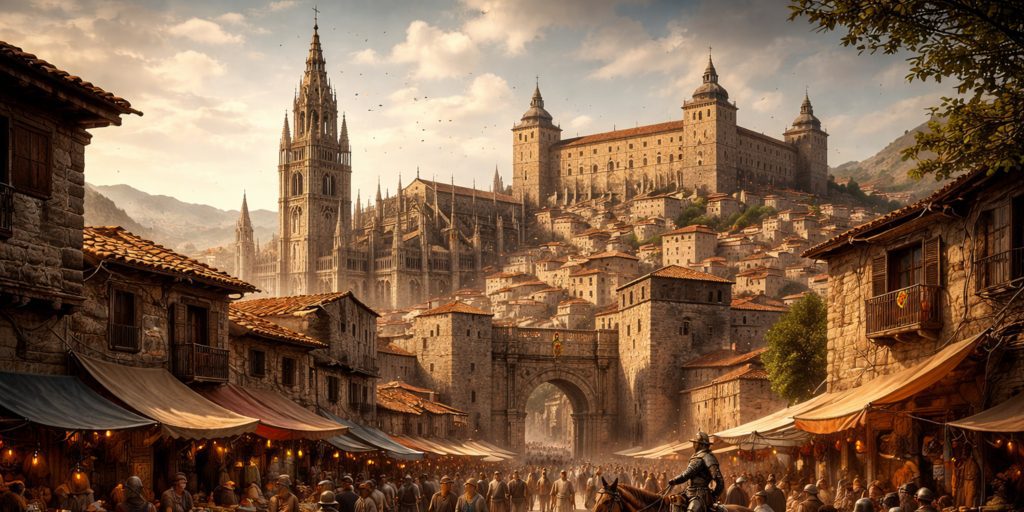
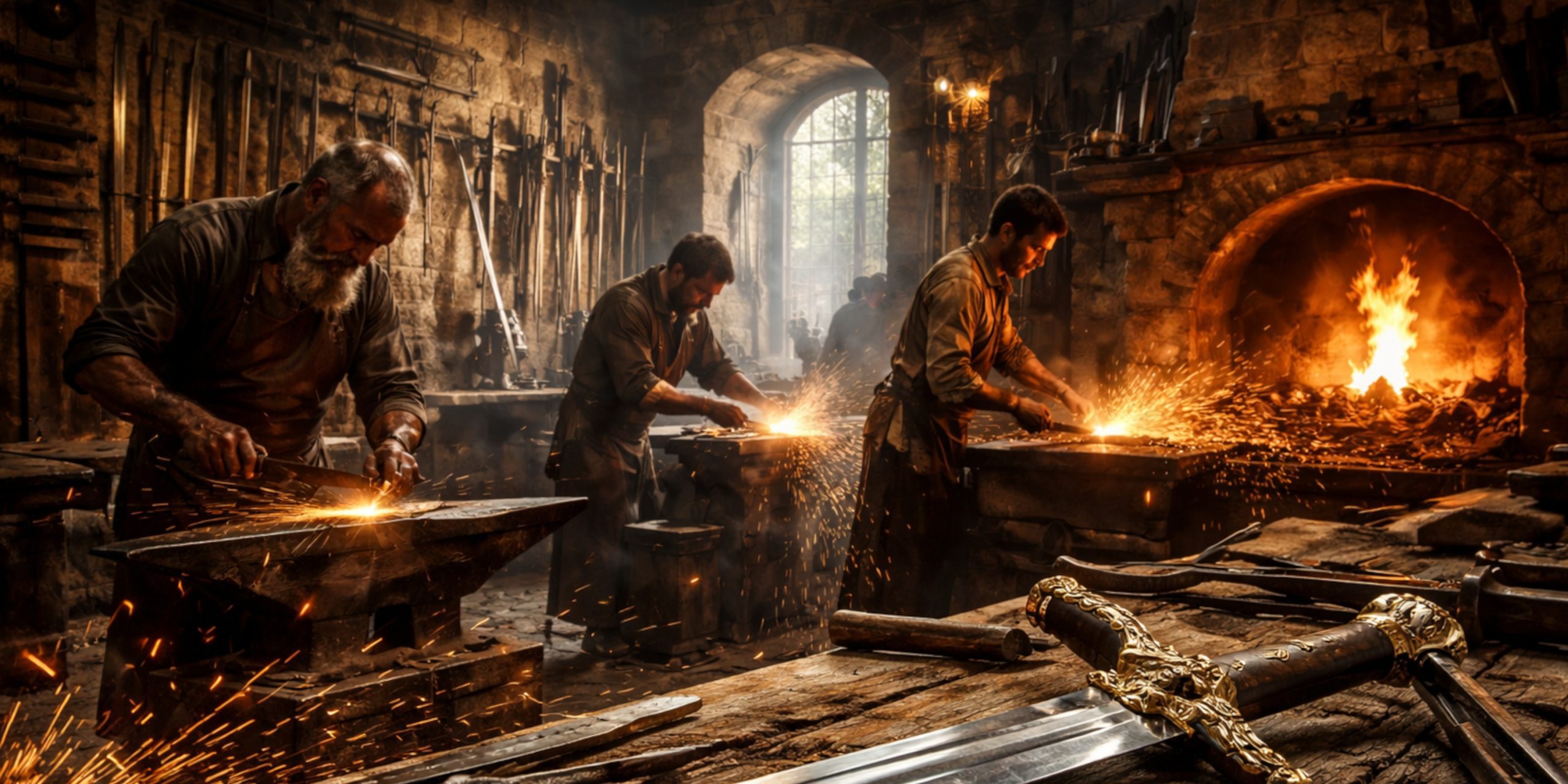
The usual explanations are true and dull in equal measure. The Tagus River provided water for quenching. Local iron ores contained trace elements that helped produce flexible yet resilient steel. The city sat at a crossroads of Roman, Visigothic, Islamic, and Christian cultures, each bringing new techniques and demands. What matters more is continuity. Toledo never stopped making blades, even when empires fell apart around it. Knowledge passed from master to apprentice, often quietly, often jealously guarded, and almost never written down.
By the late Middle Ages, Toledo steel had become a brand long before marketing departments existed. Kings asked for it by name. Soldiers trusted it with their lives, which is about as honest a product review as history offers.
The Anonymous Masters Behind the Legend
Here is the uncomfortable truth. Most of Toledo’s greatest smiths are unknown by name. Their work mattered more than their identity, and in a pre modern economy that was the point. A blade was judged by balance, edge retention, and how it behaved when things went wrong. Names were secondary.
That anonymity has frustrated historians for centuries. It has also protected Toledo’s mystique. When a sword performs flawlessly on campaign, nobody asks who forged it. They ask where it came from.
The Rise of Named Swordsmiths
By the sixteenth century, attitudes shifted. Blades began to carry marks, and some smiths stepped out of the shadows. Among the most respected was Juan Martínez, whose work became synonymous with consistency. Martínez blades were prized for their elasticity, able to bend and return true, a quality that mattered more than brute hardness.
Another prominent figure was Sebastián Hernández, active during Toledo’s golden age of arms production. His swords circulated across Europe, particularly among officers who wanted something reliable rather than ostentatious. That restraint tells you a lot about Toledo craftsmanship. Decoration was optional. Performance was not.
Toledo Blades in War and Court
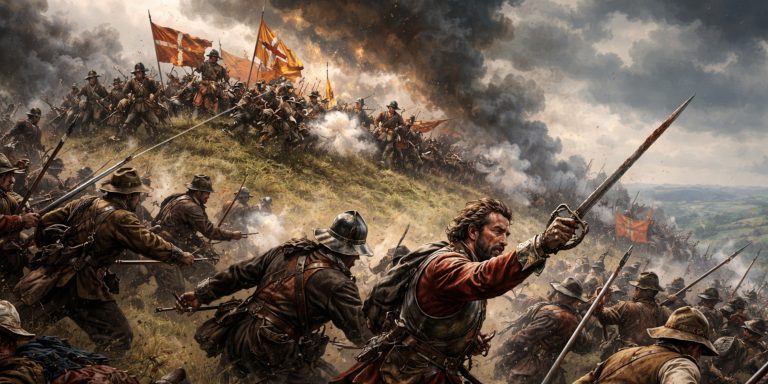
Toledo swords fought in the hands of Spanish tercios, crossed oceans with conquistadors, and appeared at courts from Madrid to Vienna. They were equally at home on the battlefield and in ceremonial settings, which is no small achievement. A sword that looks impressive but fails under stress is theatre. A sword that works but looks crude struggles to find noble patronage. Toledo managed both, and that balance kept its smiths in work for centuries.
Collectors sometimes forget that many ornate court swords began life as working weapons. The decoration came later. The blade itself was the foundation, and Toledo blades were chosen because they deserved the embellishment.
Decline, Survival, and Reinvention
Industrialisation was not kind to Toledo’s traditional workshops. Standardised production undercut artisanal methods, and by the nineteenth century the city’s dominance had faded. Yet Toledo never truly stopped. Some workshops pivoted toward ceremonial swords and replicas, others preserved older techniques in quieter corners of the city.
Modern Toledo blades vary wildly in quality, which makes modern collectors grumpy and occasionally confused. The city’s name still carries weight, but it now demands scrutiny rather than blind trust. That, perhaps, is a healthy correction.
A Historian’s Closing Thoughts
Toledo’s master smiths were not magicians. They were skilled craftspeople working within constraints, refining methods through repetition and failure. Their greatest achievement was consistency across generations, not a single mythical breakthrough. When we praise Toledo steel, we are really praising patience, discipline, and an obsession with getting the small things right.
That is less romantic than legend suggests, but far more impressive.