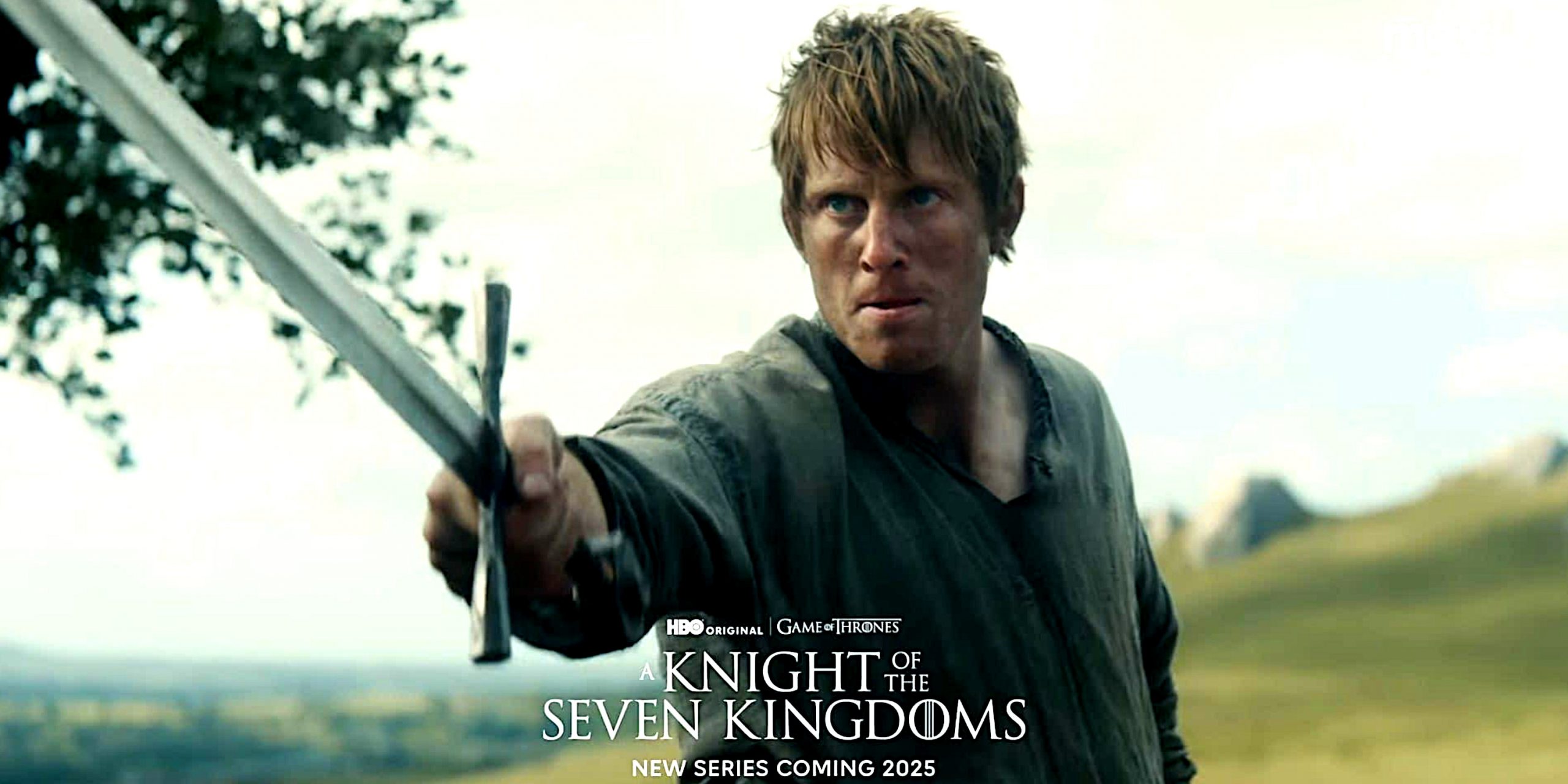
If you have ever watched Game of Thrones and thought you had a strong grasp of Targaryen chaos, the new series A Knight of the Seven Kingdoms gently arrives with a reminder that Westeros has never been anything but a long chain of questionable decisions. It steps back a century before Daenerys storms around Essos, giving us a smaller world that still hums with the same uneasy energy. I found it oddly refreshing, like someone finally let the camera breathe for a second.
The connection is not a quick fan service moment. It grows through family lines, slow burning politics and the sort of stories old maesters mention when they are trying to make you think they have read everything twice.
The timeline sits one long generation before the Targaryen downfall
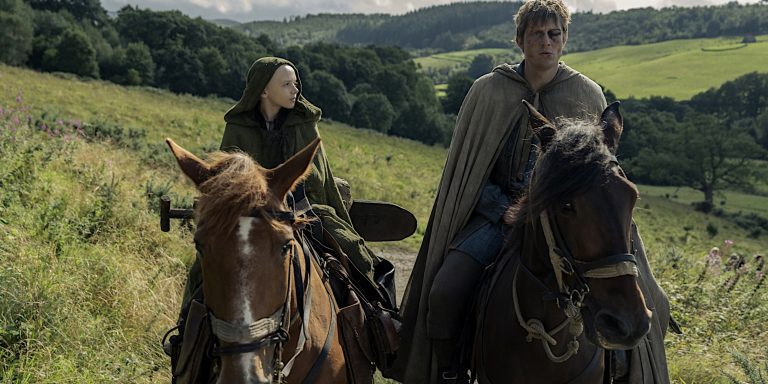
A Knight of the Seven Kingdoms follows Ser Duncan the Tall and young Egg in the years when Targaryen rule is still firm but already wobbling. You can practically feel the rot forming in the background.
This era is about ninety years before Game of Thrones. It is close enough that people speak of dragons as if the loss is still personal. The world is recovering from a series of messy successions. The stories you hear in Game of Thrones about older Targaryen kings are not dusty legends here, they are living memories.
Dunk and Egg shape the world Jon Snow eventually inherits
If you feel suspicious of prophecies after watching the main series, you are not alone. Yet Dunk and Egg push the future in ways that ripple all the way to Jon Snow. Egg grows up to become Aegon the Fifth, who tries to fix the kingdom with reforms that irritate everyone who prefers things corrupt and comfortable.
Those reforms and the choices that follow lead to the tragedy at Summerhall. It is a moment referenced only in fragments in Game of Thrones. Here it is the story’s destination. Summerhall becomes the ashes from which both Aerys the Mad King and Rhaegar Targaryen rise. Rhaegar’s obsession with prophecy leads to Jon Snow’s birth. It is strange to trace Jon’s existence back to a wandering knight sharing a meal with a bald little prince, but that is the charm of it.
The show gives texture to houses that barely got screen time before
There is something cosy about seeing familiar sigils in a younger, less traumatised state. House Targaryen still holds dragons in living memory. House Baratheon is not yet leaning on a grumpy stag aesthetic. House Lannister is still playing the money game but not in a way that involves blowing up half a city.
You get a better sense of how these houses behaved before war, dragons and wildfire shaped them into the icons you met in Game of Thrones. The scale is smaller which makes the political tension feel strangely intimate, almost like watching the seed version of the later disasters.
Magic sits lower in the mix but still matters
Game of Thrones starts with White Walkers and immediately lets you know magic is going to intrude whether Westeros feels ready or not. A Knight of the Seven Kingdoms sits in a quieter space. Magic is hinted at but not central.
This matters because the absence of fire and ice theatrics shows what the Targaryen world looked like when it had to survive without constant supernatural panic. When dragons exist only in half remembered tales you realise how brittle Targaryen power can be. It is the gap between legendary might and human limitations.
The themes line up in surprisingly modern ways
If the main series taught us anything, it is that good people rarely survive without luck, and sometimes not even then. Dunk is not cut from the usual Westerosi cloth. He is grounded, honest and much better with a shield than court manners. Egg watches nobility from the inside and still wants something better.
Their partnership reflects the same tension Jon and Sam struggle with later, the push between tradition and change. You might even feel a tiny bit sentimental watching these early attempts at decency stumble through the dirt of Westeros.
Its biggest connection is tone, not plot
Game of Thrones built its reputation on high stakes, crumbling dynasties and a sense that winter had already arrived emotionally. A Knight of the Seven Kingdoms keeps the danger but moves at a gentler rhythm. It lets conversations breathe. It lets the world feel lived in, not haunted.
That tone makes the link between the shows feel more honest. The brutality is still there, just not rushing to get its moment. You start to understand how Westeros could drift from hopeful reform to total meltdown in less than a century. When peace is this fragile, history bends fast.
A thoughtful return to Westeros
By the end you realise the connection to Game of Thrones is not just lore, it is atmosphere. Dunk and Egg wander a world on the edge of transformation. The show fills in the emotional gap between a fading Targaryen age and the catastrophe you already know.
As someone who grew up debating which house I’d probably last the longest in, watching this earlier chapter feels like discovering the prequel diary of a family member who accidentally shaped everything. It is quieter, less explosive, and somehow more human.
Watch the trailer: