Is the Criticism of King & Conqueror Fair?
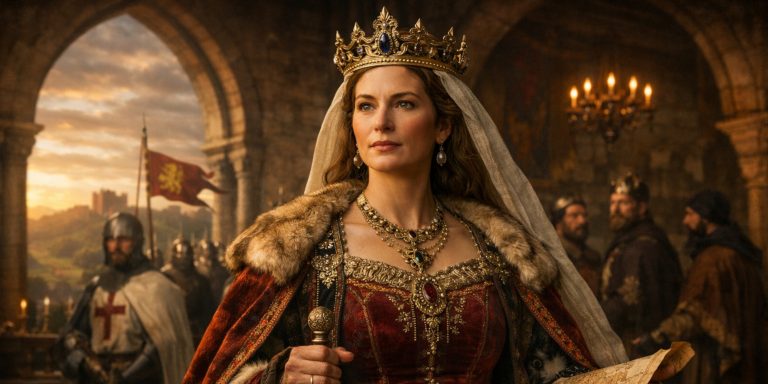
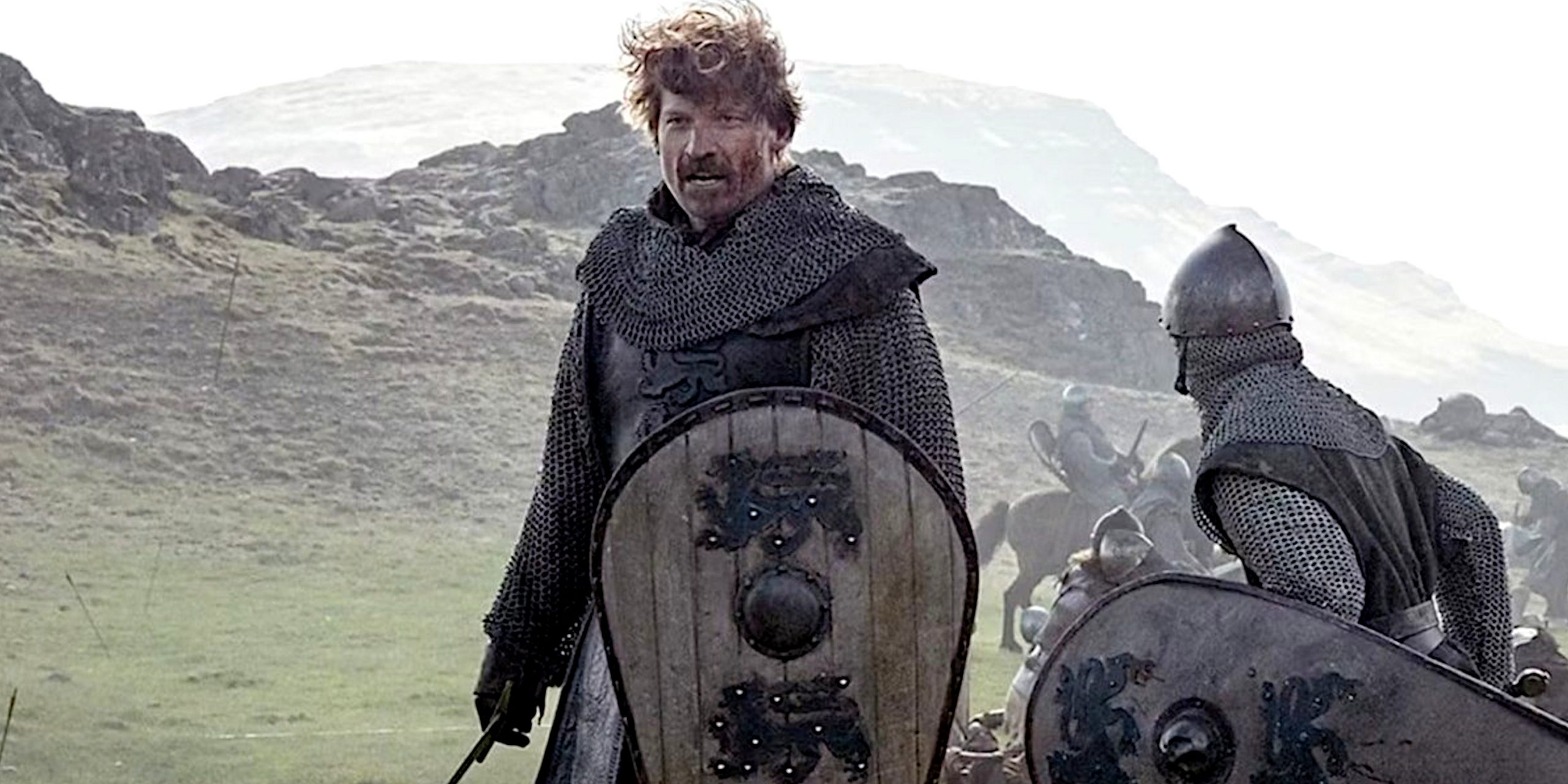
King & Conqueror focuses on the Norman Conquest of England, a subject taught widely and revisited often in media. Viewers and historians alike have raised concerns about the series, particularly around its handling of key events and characters.
Some notable inaccuracies include:
- William the Conqueror appearing at Edward’s 1043 coronation (no sources support this).
- A fictionalised death scene for Edward the Confessor, involving sexual activity, which is contradicted by both Norman and English records.
- The rivalry between Harold Godwinson and William depicted in personal duels and contrived confrontations, unsupported by surviving chronicles.
While the show does get certain details right, such as the appearance of Halley’s Comet, these moments are outweighed by creative decisions that alter timelines and personalities for dramatic tension.
This has prompted sharp responses. Viewers have criticised the show as “a waste of talent” or “complete, utter nonsense”. Yet critics also highlight its production value and strong cast, especially Juliet Stevenson’s portrayal of Emma of Normandy.
How Other Historical TV Shows Handle Accuracy
Many historical dramas have been loose with the facts, but they often do so with more transparency or creative justification.
The Tudors
- Condensed timeline, merged characters, and exaggerated drama.
- Historian David Starkey called it “terrible history”, though it leaned into style over substance.
The White Queen
- Set during the Wars of the Roses, this series compresses events and exaggerates rivalries.
- The show is based on novels by Philippa Gregory, and its fictional nature is more overt.
Vikings
- Alters battle dates, invents personal dynamics, and creates hybrid characters.
- Producers have claimed creative licence based on the limited records of the era.
The Great
- Labelled “anti-historical”, it mixes absurd comedy with real names and places.
- Viewers understand immediately that accuracy is not the goal.
I, Claudius, Wolf Hall, and Shōgun
- These are examples of shows praised for staying close to the source material.
- They combine narrative depth with academic respect for the time period.
Why King & Conqueror Attracts More Scrutiny
There are specific reasons why this show has been held to a higher standard than some of its peers.
1. The Norman Conquest is Well Known
The events of 1066 are familiar to British audiences. From school textbooks to the Bayeux Tapestry, many viewers already have a basic understanding of the key players and events. This makes historical slip-ups more obvious and less forgivable.
2. It Presents Itself as Serious Drama
Unlike The Great or even Vikings, King & Conqueror does not signal a stylised or fictionalised version of history. It uses sombre tones, realistic costumes, and a serious script, leading audiences to expect more factual rigour.
3. The Use of Modern Dialogue
The decision to use contemporary language has divided audiences. For some, it makes the characters feel accessible. For others, it breaks immersion and undermines the authenticity of the setting.
4. The Lack of Historical Context or Disclaimers
When liberties are taken without making it clear to the audience, trust erodes. Many successful shows include disclaimers or notes clarifying what is real and what is imagined. King & Conqueror does not.
Final Verdict: How Does It Measure Up?
King & Conqueror is not the worst offender when it comes to historical inaccuracy, but it makes some bold alterations without clearly owning them. This places it in a difficult middle ground, too serious to be dismissed as fiction, not accurate enough to stand as historical drama.
Where other shows thrive by choosing a lane, factually grounded or creatively loose, this series has risked being caught between the two.
Summary
| TV Series | Approach to History | Accuracy Level | Viewer Expectation |
|---|---|---|---|
| King & Conqueror | Drama based on real events | Low to moderate | High |
| The Tudors | Romanticised royal drama | Low | Moderate |
| The White Queen | Based on historical fiction | Moderate | Moderate |
| Vikings | Loosely based on sagas | Moderate | Low to moderate |
| The Great | Satirical, “anti-historical” | Low (intentionally) | Very low |
| Wolf Hall | Based on historical texts | High | High |
| I, Claudius | Heavily researched | High | High |
Watch the trailer: