Jean de Dieu Soult is one of those figures who strides through Napoleonic history with a certainty that borders on theatrical. He rose from modest beginnings in Saint Amans la Bastide to become one of Napoleon’s most dependable marshals, a reforming politician, and a man whose discipline shaped armies long after he left the field. When you study him closely you find a commander who mixed method with ambition, never quite loved by the troops but consistently respected for his competence.
Early Life and Rise
Soult was born in 1769 in the Tarn region, a landscape that still feels rugged and self contained. His career began in the royal army, but the Revolution offered him the sort of opportunity that only a more turbulent world could create. He proved himself quick, orderly, and remarkably ambitious. By the late 1790s he had already established a reputation for discipline, something he wore like armour for the rest of his life.
By 1804 he stood among Napoleon’s marshals. This was not simply a reward but a responsibility, and Soult embraced the role with a seriousness that sometimes made him seem cold. In truth he was far more interesting than his severe profile suggests. He was methodical, a builder of systems, and occasionally a man who allowed arrogance to slip through the cracks of his otherwise controlled façade.
Arms and Armour
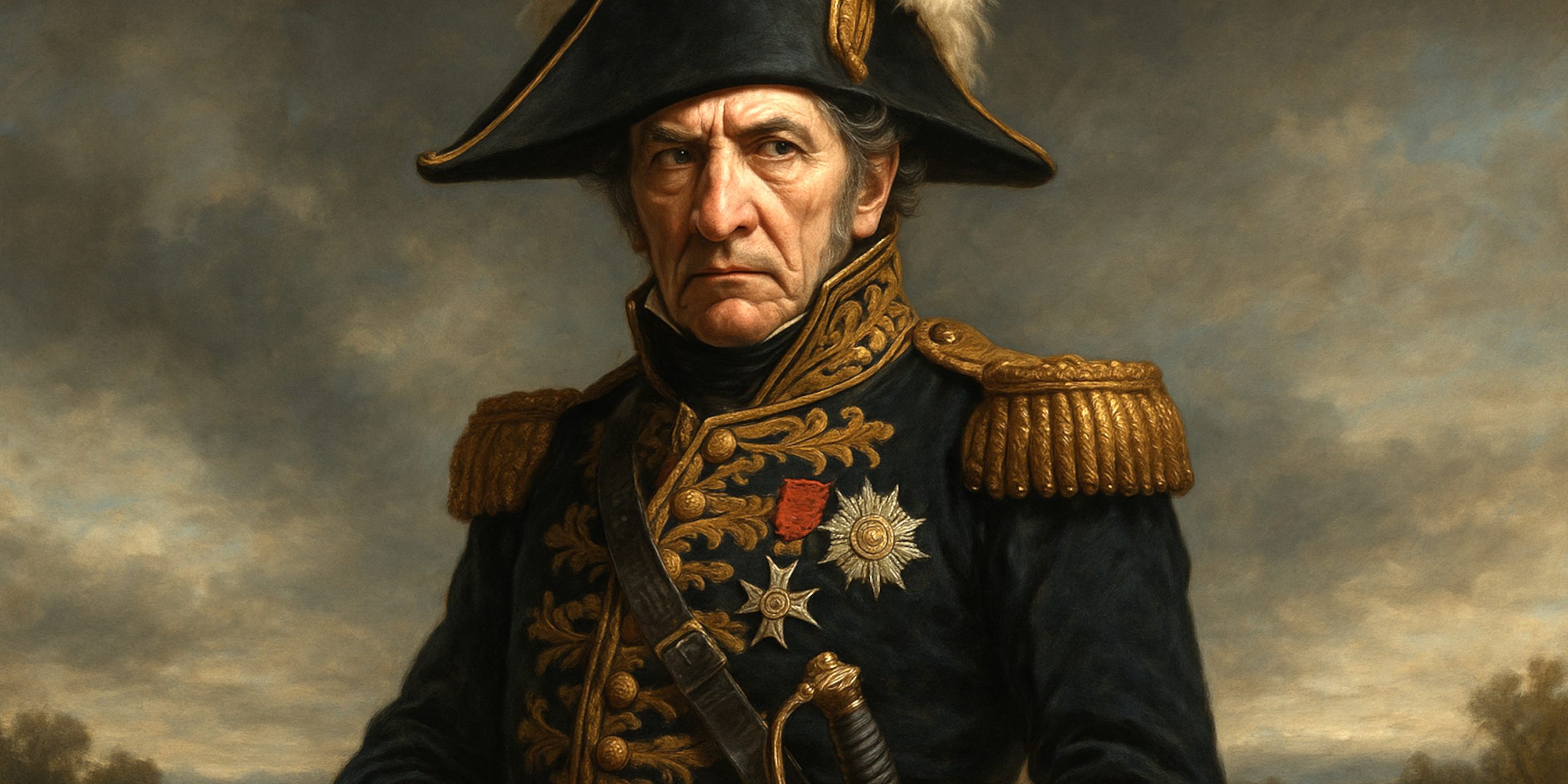
Soult’s equipment reflected his station. As a marshal he wore richly adorned uniforms that followed the classic Imperial pattern. His coat had heavy gold embroidery, and his bicorn carried the white plumes that marked the highest rank on the battlefield. He favoured the regulation light cavalry sabre, a curved blade with a sturdy brass hilt, although he also owned presentation swords that survive in museums today.
His battlefield kit was less ceremonial. He used a reinforced cuirass during certain campaigns, particularly when riding close to the front, and his pistols followed the standard cavalry pattern of the Empire. Soult was never a flamboyant fighter. He looked across the battlefield not as a duelist but as an architect, measuring angles and timing rather than indulging in heroics.
Battles and Military Accumen
Soult’s name is stitched through many of the great campaigns of the Empire. His style was exacting, sometimes frustrating to more impulsive colleagues, yet it produced undeniable results.
At Austerlitz he commanded the French right and carried out a timed assault on the Pratzen Heights that remains one of the masterstrokes of Napoleonic warfare. His troops climbed the fog covered slope and broke the Allied centre. I have always admired the way Soult prepared for that moment, almost as if he could feel the ground shifting long before it physically did.
In the Peninsular War he achieved victories at Oporto and Albuera, although the latter is a complicated story. His plan was bold, yet the execution faltered. Even so, Soult kept the army intact through a campaign that consumed many reputations. His long defensive manoeuvres in the Pyrenees revealed a commander who understood terrain with unusual clarity.
During the 1814 campaign in the south of France he opposed Wellington with a stubbornness that bordered on poetic. These were the last flickers of a long fire, but Soult moved with purpose until the political situation ended the fighting.
His military acumen rested on three pillars. He read terrain with a surveyor’s eye. He used logistics as a quiet weapon. He understood the psychological pressure that steady, measured attacks could exert. If he lacked the fire of Ney or the audacity of Murat, he made up for it with durability and calculation.
Later Career
After Napoleon’s fall Soult adapted to the shifting currents of French politics. He served as Minister of War, later became Prime Minister, and helped shape the modern French army. His reforms were grounded in the hard won lessons of the Empire. He valued professionalism, training, and clear command structures.
He often comes across as a survivor, perhaps a little too willing to bend, yet I think that is too harsh. He belonged to a generation that lived through revolutions, empires, restorations, and more unanswered questions than any person could hope to navigate cleanly.
Where to See Artefacts
A number of institutions preserve objects connected to Soult.
The Musée de l’Armée in Paris holds uniforms, portraits, and several swords linked to the marshal. These items reveal the weight of his public role and the symbolism that surrounded the Napoleonic elite.
The Musée des Beaux Arts in his birthplace, now called Saint Amans Soult, has memorabilia donated by the family. It provides a quieter, more intimate view of the man, including correspondence and personal effects.
The Wellington Collection at Apsley House in London contains documents and captured items from the Peninsular campaigns, offering a compelling perspective on Soult as seen by his greatest rival.
Latest Archaeology and Material Discoveries
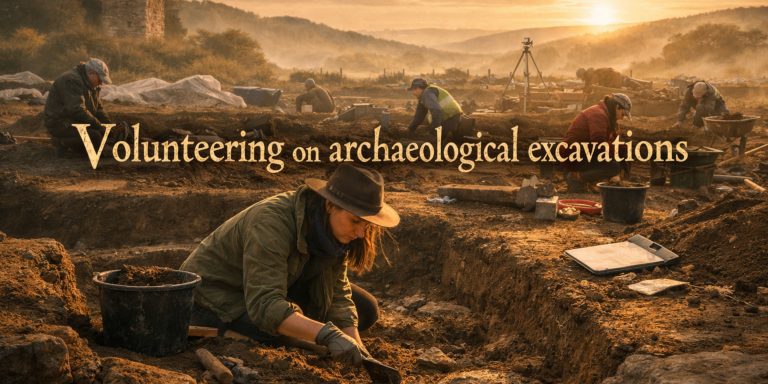
Modern archaeology within the Peninsular battlefields has shed new light on Soult’s movements. Surveys at Albuera have uncovered French musket balls and discarded equipment that align closely with his documented flanking manoeuvre. These finds suggest that some units positioned slightly further east than older maps indicated, which strengthens the picture of a commander trying to compress the Allied line before the British and Spanish could fully react.
Excavations at Austerlitz have turned up buttons and cartridge box plates from units under his command. These small objects provide physical confirmation of troop routes described in memoirs and rank Soult’s advance among the best documented episodes of the battle.
The Pyrenees have revealed encampment traces from the 1813 and 1814 campaigns. Soil analysis shows prolonged occupation, which supports the idea that Soult used these mountains as a set of defensive anchors rather than temporary positions. It matches his habit of treating landscape as a long term partner in warfare.
A Historian’s Closing Thoughts
Soult is not the easiest marshal to love, but he is one of the easiest to respect. He rarely sought glory in the loud way, choosing instead to build victories piece by piece. His mind worked like a draughtsman sketching a plan. When he erred he did so through ambition rather than laziness, and when he succeeded it came from steady pressure instead of sudden inspiration.
Studying Soult reminds me that the Napoleonic era was shaped not only by the brilliant and the reckless, but also by those who understood that discipline can be a kind of genius.
Watch the documentary: