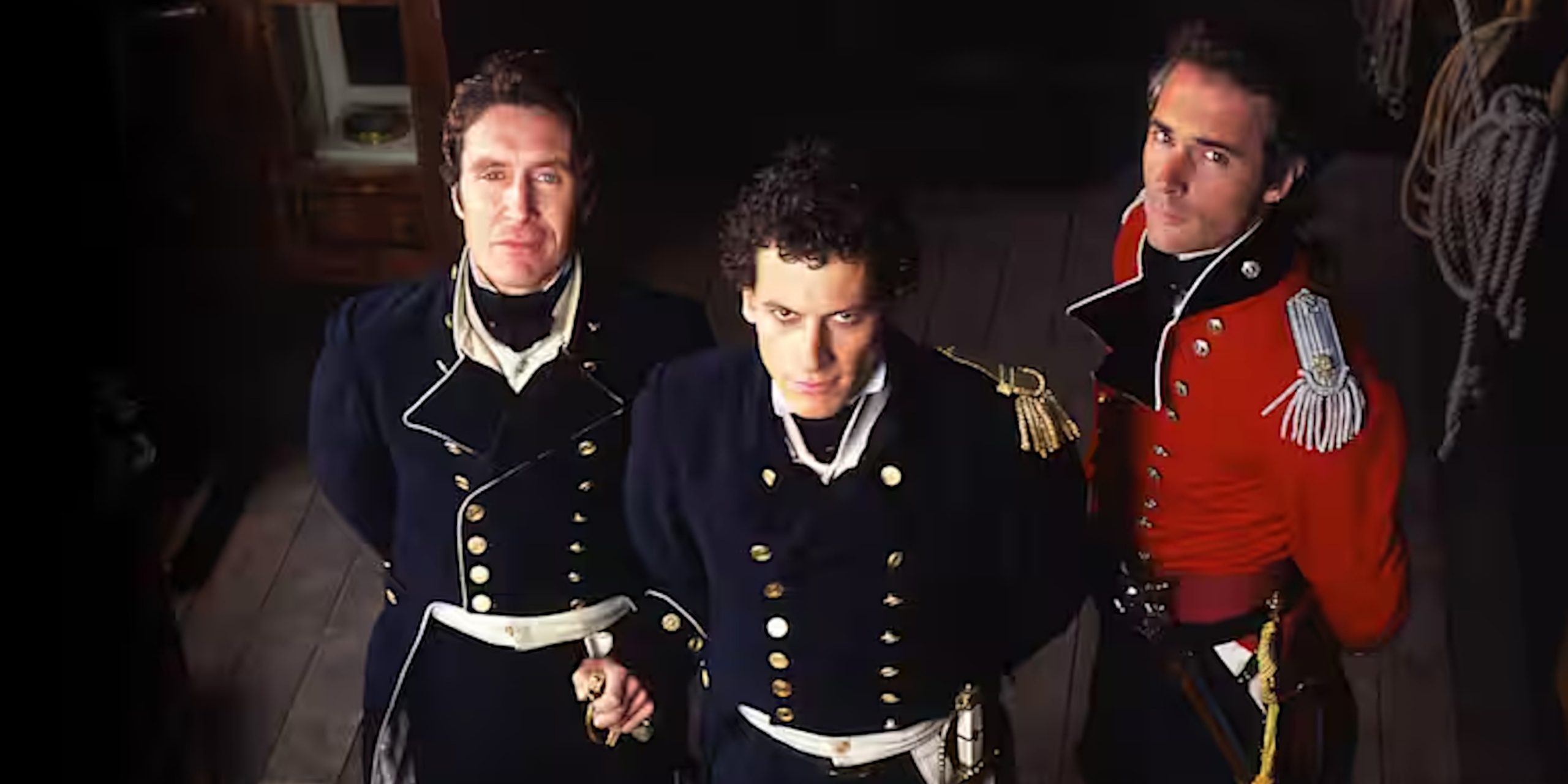
If you ever wondered how a shy, overthinking officer with a permanent sense of dread became one of naval fiction’s most enduring heroes, Hornblower is your answer. Created by C S Forester, the series charts the career of Horatio Hornblower from awkward midshipman to senior officer, set against the grinding reality of the Napoleonic Wars at sea. It is part adventure, part character study, and part history lesson, with just enough human anxiety to feel modern rather than dusty.
What keeps Hornblower alive decades later is not cannon fire or stirring speeches. It is the constant tension between duty and doubt, bravery and fear, competence and self loathing. In short, it feels uncomfortably relatable.
The Story of Hornblower
The narrative follows Hornblower’s rise through the Royal Navy during Britain’s long war against Revolutionary and Napoleonic France. The books were written out of chronological order, which sounds chaotic but works surprisingly well. We meet Hornblower as a young midshipman, seasick and miserable, then jump forward to see him as a captain and later a commodore, already scarred by experience.
Each story usually revolves around a specific mission. Escorting convoys, raiding enemy ports, fighting privateers, or surviving the brutal politics of naval command. Victory often comes at a cost. Ships are lost, men die, and Hornblower rarely feels like celebrating. Forester avoids tidy hero arcs. Success is usually followed by guilt, exhaustion, or the quiet fear that next time he will fail.
That sense of emotional hangover is what gives the series its weight. You finish an adventure not with triumph, but with reflection.
Horatio Hornblower as a Character
Hornblower is not charming in the obvious way. He is introverted, socially awkward, and painfully aware of his own flaws. He obsesses over tiny mistakes and assumes everyone around him is more confident and capable than he is.
Ironically, this makes him an exceptional officer. He plans carefully, takes responsibility seriously, and understands the cost of command. He hates flogging but enforces discipline when he believes it necessary. He despises war yet fights with ruthless efficiency when cornered.
What stands out is how modern he feels. His internal monologue could sit comfortably in a twenty first century drama about imposter syndrome. He succeeds not because he is fearless, but because he acts despite fear. That distinction matters.
Key Supporting Characters
Hornblower does not sail alone, even if he often feels isolated.
William Bush is his closest friend and emotional anchor. Loyal, practical, and quietly brave, Bush represents the kind of officer Hornblower wishes he could be more like, without the constant self interrogation.
Lieutenant Pellew, later Admiral Sir Edward Pellew, acts as mentor and protector. He recognises Hornblower’s talent early and nudges his career forward, sometimes saving him from his own scruples.
Other recurring figures include officers, rivals, and civilians who reflect the rigid hierarchies of the time. Friendships are shaped by rank, money, and patronage as much as personality. It is not always fair, and the books do not pretend otherwise.
The Historical Setting
Hornblower is set during the great naval struggle between Britain and France from the 1790s to the early 1800s. This was the era of wooden warships, sail powered fleets, and battles decided by seamanship, gunnery, and nerve.
Forester takes the period seriously. Ships behave like real ships. Weather matters. Supply problems matter. Signals are missed, orders misunderstood, and chance plays a constant role. There is no instant communication and no safety net. A captain’s decision can doom or save hundreds of men.
The Royal Navy itself is shown as a harsh institution. Discipline is severe, promotion uneven, and life aboard ship physically punishing. At the same time, it offers rare opportunities for social mobility, which is one reason Hornblower clings to it despite his discomfort.
The wider world also intrudes. Caribbean colonies, Central American coastlines, and European ports appear not as exotic backdrops, but as strategic pressure points in a global war.
How Accurate Is Hornblower?
For historical fiction, Hornblower holds up remarkably well. Naval procedures, ship handling, and the rhythm of life at sea are grounded in research. Forester sometimes bends timelines or simplifies politics for narrative flow, but the core experience feels authentic.
Where accuracy really shines is in command psychology. The loneliness of decision making, the weight of responsibility, and the moral compromises of war are portrayed with restraint rather than melodrama. That honesty is why historians tend to forgive the occasional convenience.
The Seven Swords Takeaway
Hornblower endures because it understands something timeless. Competence does not erase anxiety. Leadership does not cure self doubt. Progress often feels accidental when you are living it.
In a genre full of swaggering heroes, Hornblower stands apart by admitting how exhausting heroism can be. He wins battles, earns promotions, and secures Britain’s interests, then lies awake wondering if he deserved any of it.
That quiet realism is why the series still speaks to readers raised on far louder stories. It respects history, trusts the audience, and lets its hero be human, which might be the bravest choice of all.
Watch the trailer: