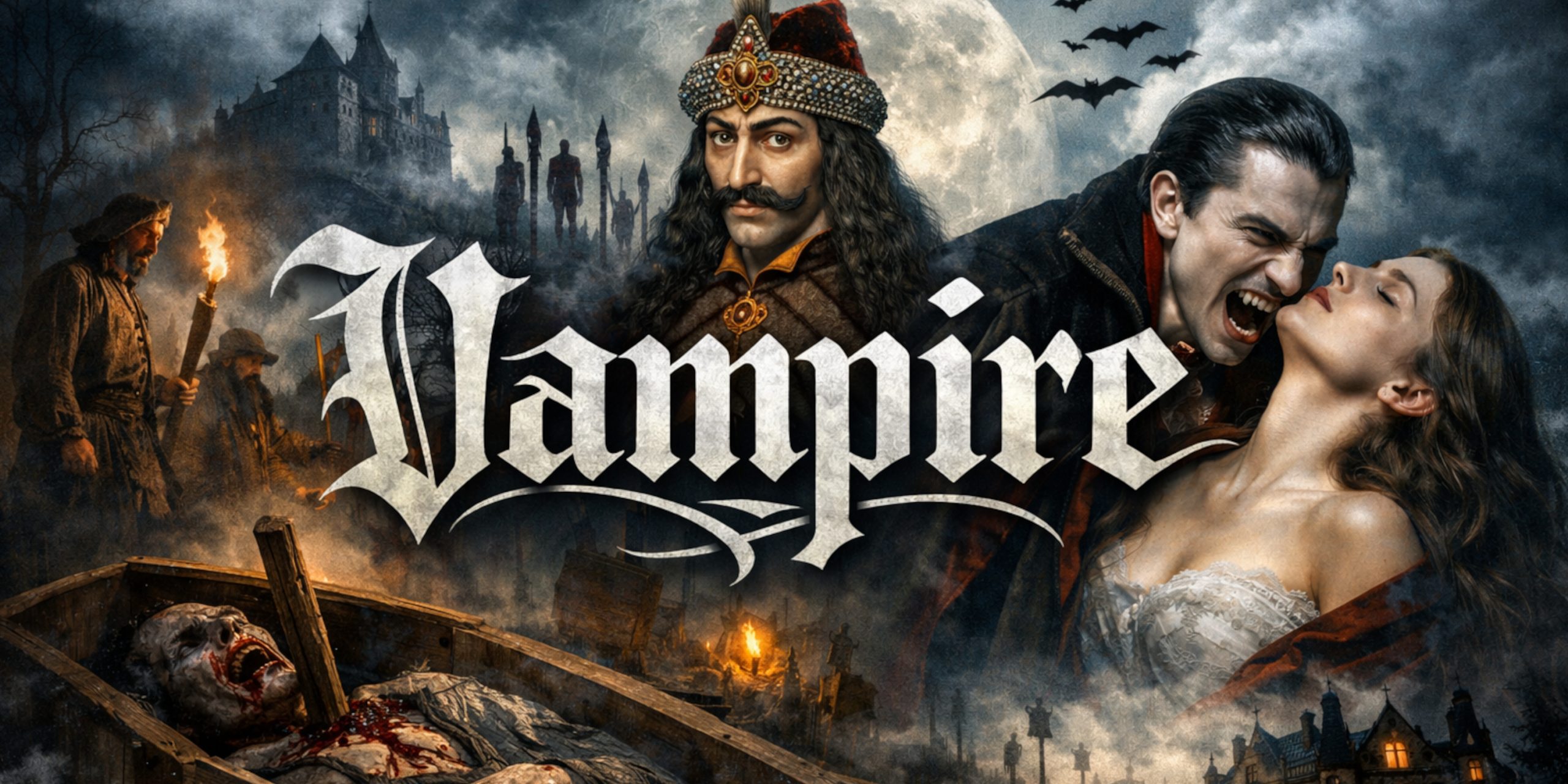
The vampire did not begin as a cape-wearing aristocrat with great cheekbones. It started as a problem. A corpse that would not behave. A village mystery that needed an explanation before the next funeral. What followed is a long, strange journey from rural superstition to one of the most adaptable monsters in modern culture.
This guide traces the vampire from ancient fear to contemporary obsession, with historical references, primary sources, and voices from the people who genuinely believed the dead were coming back. Along the way, we meet emperors, priests, poets, doctors, and novelists who all helped shape the creature we think we know.
What a Vampire Originally Meant
Before it was romantic, the vampire was logistical. People noticed that bodies decomposed in ways that felt wrong. Hair and nails appeared to grow. Blood leaked from the mouth. The corpse bloated. In communities with limited medical knowledge, these signs suggested activity, not decay.
Early vampire beliefs were used to explain:
- Sudden outbreaks of disease within families
- Unnatural looking corpses during exhumation
- Nightmares, sleep paralysis, and wasting illnesses
- Deaths without visible cause
The vampire was not seductive or tragic. It was dangerous, contagious, and very much a community problem.
Ancient Roots and Pre-Medieval Precursors
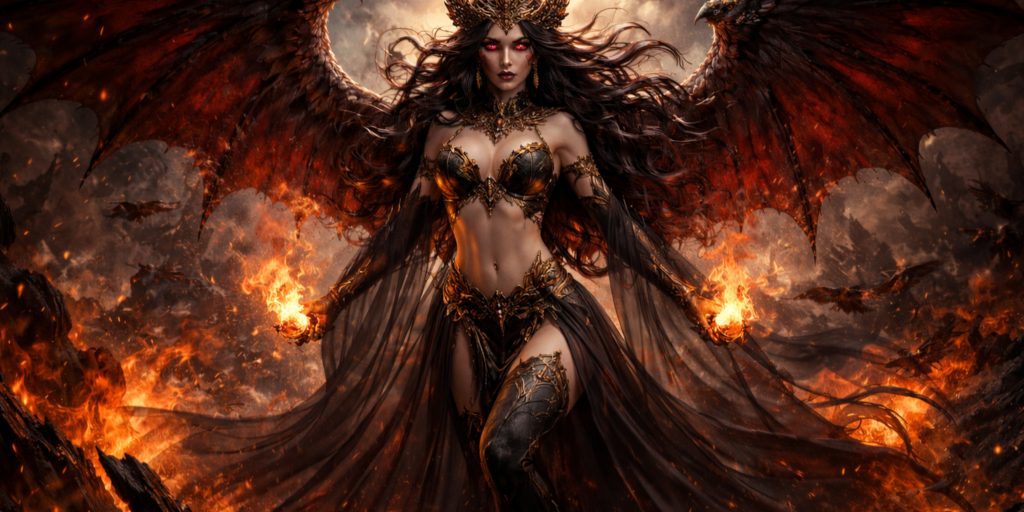
Long before the word vampire existed, cultures described beings that fed on life, blood, or breath.
In ancient Mesopotamia, texts mention Lilitu, a night demon associated with illness and infant death. In Greek and Roman sources, we find the lamia and empusa, creatures that drained vitality, often targeting the young. Chinese folklore speaks of the jiangshi, a reanimated corpse that absorbs life force rather than blood.
These were not identical concepts, but they established a shared fear. The dead did not always stay passive, and the night belonged to things that fed.
Medieval Eastern Europe and the Birth of the Vampire
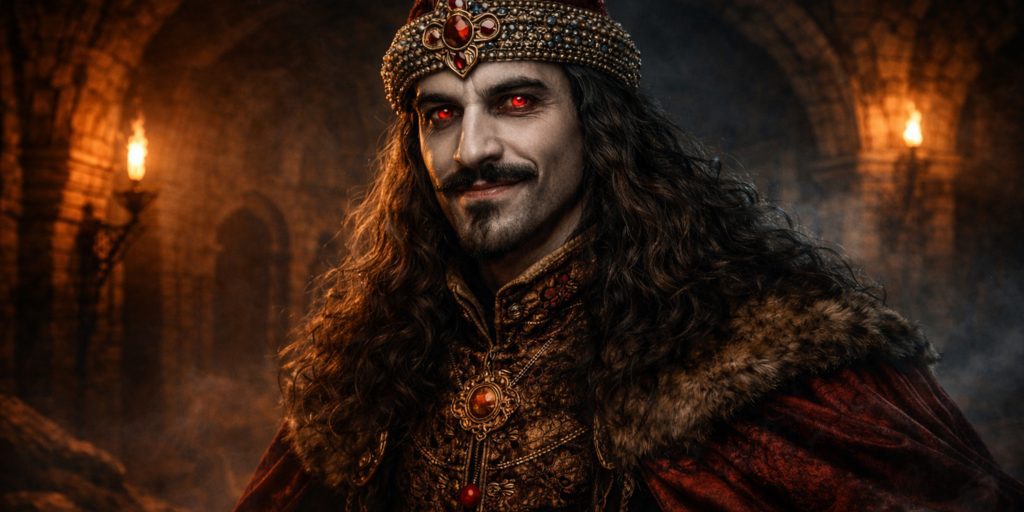
The modern vampire takes shape in the Balkans and Eastern Europe between the medieval period and the early modern era. This is where the word itself begins to appear, derived from Slavic terms like vampir or upir.
Key regions include:
- Serbia
- Wallachia and Transylvania
- Hungary
- Poland and Bohemia
Here, vampires were believed to be physical corpses that left the grave to harm the living. They caused sickness, crop failure, and death, often among relatives first.
Common traits recorded in folklore:
- Swollen, ruddy corpses rather than skeletal remains
- Blood present around the mouth
- Lack of decay weeks after burial
- Activity at night only
Anti-Vampire Practices and Folk Methods
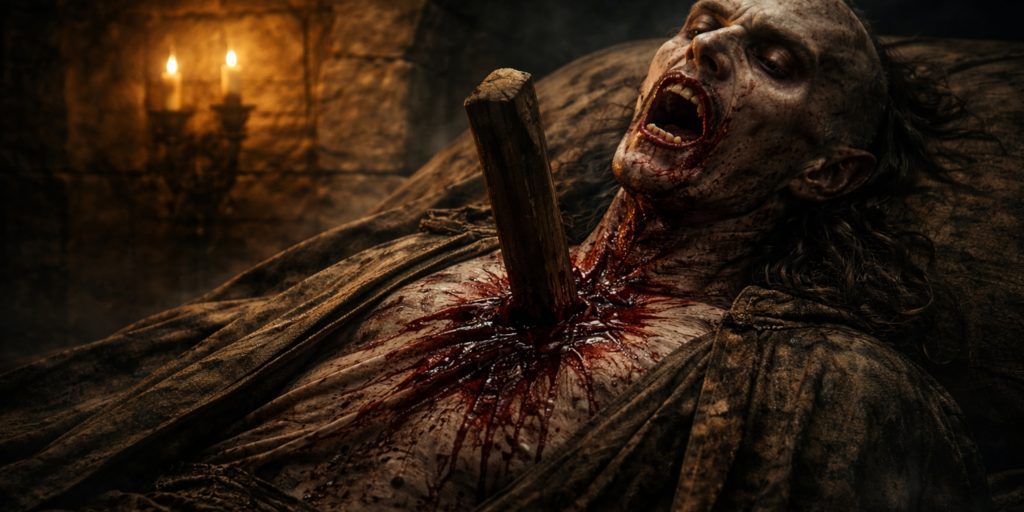
Communities did not panic passively. They developed procedures.
Typical preventative measures included:
- Driving a wooden stake through the chest
- Decapitation followed by burial of the head elsewhere
- Burning the body and scattering ashes
- Placing bricks, stones, or sickles in graves to restrain movement
Archaeology supports this. Numerous medieval graves across Eastern Europe show deliberate mutilation consistent with anti-vampire rituals.
These were not symbolic gestures. They were practical responses to perceived threats.
The 18th-Century Vampire Panic
The vampire moved from folklore into official record during the early 1700s. Reports from Serbian villages reached the Habsburg Empire, triggering formal investigations.
Two famous cases stand out:
- Peter Plogojowitz, whose exhumed body was described as undecayed with fresh blood
- Arnold Paole, a former soldier blamed for multiple deaths after burial
Imperial officials documented these cases in sober, bureaucratic language. Doctors examined bodies. Priests supervised executions of corpses. The panic spread through pamphlets and newspapers across Europe.
One Austrian medical report from 1732 notes:
“The corpse was found to be quite complete and undecayed, and fresh blood flowed from the mouth and nose.”
This was not Gothic fiction. This was state paperwork.
Enlightenment Pushback and Medical Explanations
As the panic grew, so did scepticism. Enlightenment thinkers pushed back hard.
Doctors began to explain vampire signs through decomposition. Skin retracts, making hair and nails appear longer. Gases cause bloating. Internal pressure forces blood from the mouth.
In 1746, the physician Gerard van Swieten, adviser to Empress Maria Theresa, dismissed vampire claims as superstition and banned further exhumations without imperial approval.
This marked the beginning of the vampire’s retreat from lived belief and its migration into literature.
The Vampire Enters Literature
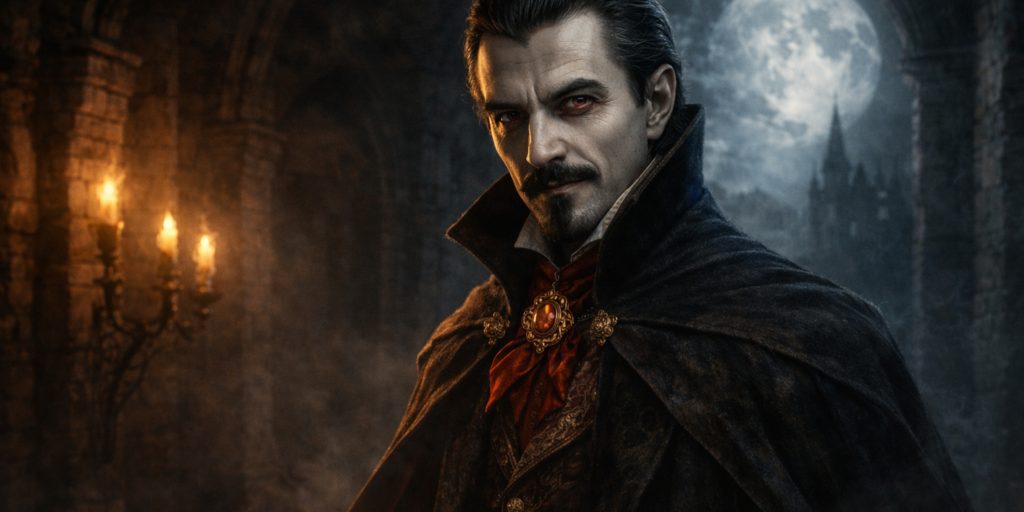
Once stripped of its medical threat, the vampire became symbolic.
Key milestones include:
- John Polidori’s The Vampyre (1819), which introduced the aristocratic predator
- Sheridan Le Fanu’s Carmilla (1872), blending sexuality and horror
- Dracula (1897), which fused Eastern European folklore with Victorian anxiety
Bram Stoker drew on travel writing, medical texts, and folklore collections. His Count Dracula retained older traits like fear of sunlight and sacred objects, but gained charm, intelligence, and narrative control.
Stoker also borrowed the name from Vlad III, though the historical figure was not a vampire, just extremely brutal and very real.
Vampires on Film and Screen
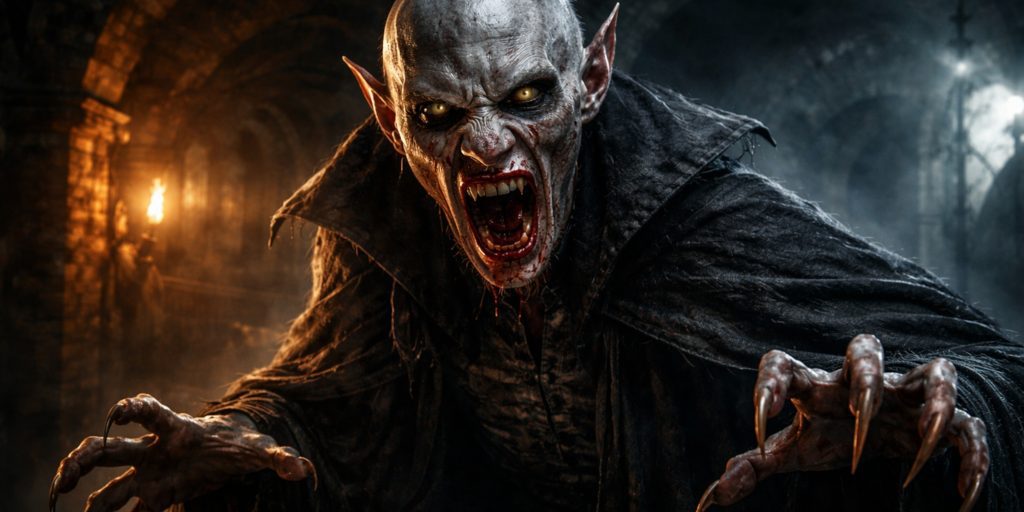
Cinema transformed the vampire again.
Early silent films portrayed vampires as monstrous and uncanny. By the mid-20th century, they became elegant and tragic. Late 20th century vampires were conflicted outsiders. Contemporary versions range from horror monsters to metaphors for addiction, power, and desire.
Major shifts include:
- From plague explanation to psychological metaphor
- From rural threat to urban predator
- From villain to protagonist
Each era reshapes the vampire to suit its fears.
Contemporary Vampire Culture
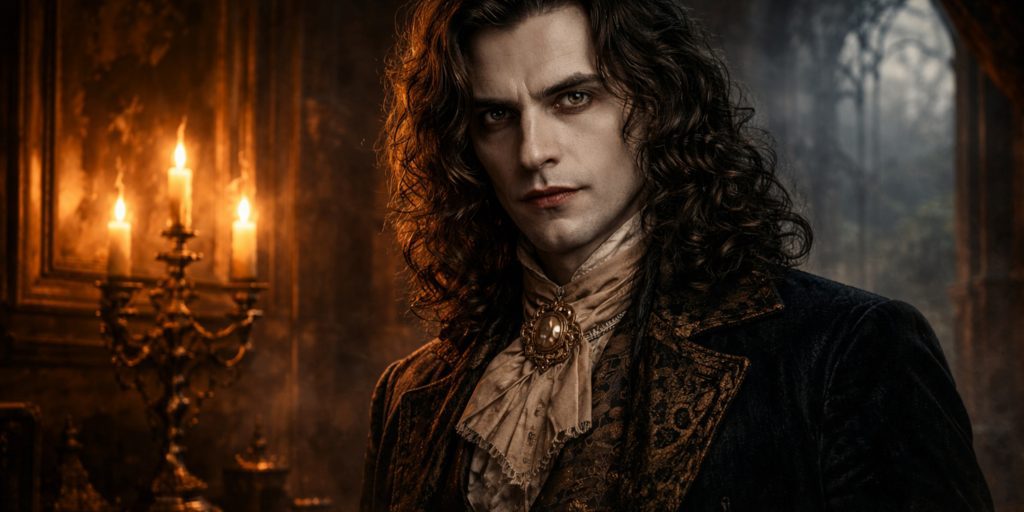
Modern vampires often reflect social tension rather than death anxiety.
Common themes today:
- Immortality as a burden rather than a gift
- Consent and ethics around feeding
- Outsider identity and marginalisation
- Power dynamics and control
In a world less afraid of corpses, the vampire survives by representing systems that drain rather than kill. Corporations, lovers, fame, even time itself.
The monster adapts because it listens.
Why the Vampire Refuses to Die
The vampire works because it is flexible. It can be folklore, medical mystery, romantic fantasy, political metaphor, or full-on horror. Few monsters manage that range.
It also has rules. Rules make monsters believable. Crosses, thresholds, sunlight, invitation. These limits keep the vampire grounded, even when it is supernatural.
As long as people fear being consumed slowly rather than destroyed outright, the vampire will stick around.
Honestly, it has earned the right.
Watch the documentary:
Vampire Timeline, From Ancient Fear to Modern Myth
This timeline tracks how the vampire evolved across history, belief, literature, and popular culture. It focuses on what people actually feared, wrote down, argued over, and eventually reimagined.
Ancient World, Before the Vampire Had a Name
Long before the word vampire existed, cultures across the ancient world described night beings that fed on life, blood, or breath.
- Mesopotamian texts describe Lilitu, a nocturnal spirit linked to illness and death
- Ancient Greek writers mention lamia and empusa, female predators draining vitality
- Roman folklore warns of restless dead returning to harm families
- Chinese tradition records the jiangshi, a reanimated corpse that absorbs life force
These were not vampires as later defined, but they established the core idea that death was not always the end.
Early Medieval Period, 500 to 1000
As Christianity spread across Europe, older folk beliefs merged with religious ideas about sin, burial, and damnation.
- Improper burial became linked to restless corpses
- Sudden death and plague encouraged fear of the recently dead
- Nightmares and sleep paralysis were attributed to external attackers
At this stage, the vampire was still unnamed but increasingly physical.
High Medieval Eastern Europe, 1000 to 1500
This is where the vampire becomes recognisable.
- Slavic regions develop the word vampir or upir
- Vampires are believed to be corporeal bodies leaving the grave
- They target family members first
- Signs include bloated corpses, blood at the mouth, and lack of decay
Preventative burial practices become common, including staking and decapitation.
15th Century, Historical Inspiration
The reign of Vlad III fuels later associations between cruelty, blood, and Eastern Europe.
- Known for mass impalements rather than supernatural acts
- His nickname Dracula means son of Dracul, linked to the Order of the Dragon
- Later writers borrow the name, not the biography
This period adds political terror to vampire folklore.
Early 18th Century, The Vampire Panic, 1720s to 1740s
The vampire enters official European record.
- Serbian and Hungarian villages report deaths blamed on the undead
- Imperial officials investigate exhumed corpses
- Medical and clerical reports describe fresh blood and lack of decay
- Cases like Peter Plogojowitz and Arnold Paole spread across Europe
Pamphlets and newspapers turn local superstition into continental panic.
Mid 18th Century, Enlightenment Pushback
Science steps in.
- Physicians explain decomposition processes
- Hair and nail growth reinterpreted as skin retraction
- Bloating and blood leakage identified as natural decay
By the 1750s, governments suppress vampire investigations. Belief declines, but fascination remains.
Early 19th Century, The Literary Vampire Is Born
The vampire migrates from graveyard to page.
- 1819, John Polidori publishes The Vampyre
- The vampire becomes aristocratic, charming, and predatory
- Blood drinking becomes symbolic rather than literal horror
This is the moment the vampire becomes stylish, for better or worse.
Late 19th Century, Victorian Gothic Peak
The definitive version appears.
- 1872, Sheridan Le Fanu publishes Carmilla, introducing erotic tension
- 1897, Dracula is published
- Eastern European folklore merges with Victorian anxieties
- Rules are codified, sunlight, thresholds, crucifixes
The vampire becomes globally recognisable.
Early to Mid 20th Century, Film Takes Over
Cinema reshapes the vampire’s image.
- Silent films emphasise uncanny horror
- Mid-century films add elegance and theatricality
- Vampires shift from disease metaphor to personal threat
The cape arrives. So does the accent.
Late 20th Century, The Sympathetic Vampire
The vampire gains inner conflict.
- Immortality framed as isolation
- Feeding becomes a moral dilemma
- Vampires become protagonists rather than villains
This era reframes the vampire as an outsider rather than a monster.
21st Century, The Vampire as Metaphor
Modern vampires reflect social and psychological themes.
- Power imbalance and consent
- Addiction and dependency
- Capitalism, fame, and exploitation
- Identity, queerness, and marginalisation
The vampire no longer explains death. It explains systems that drain without killing.
Present Day, Why the Vampire Endures
The vampire survives because it adapts.
- It changes with cultural fear
- It thrives on rules and limitations
- It mirrors society rather than opposing it
As long as people worry about being slowly consumed rather than violently destroyed, the vampire will stay relevant. Quietly. Patiently. Probably forever.