Battle speeches have always played a central role in storytelling. They set the tone, give soldiers courage, and leave the audience with words that echo long after the clash is over. From ancient epics to medieval struggles, directors and writers have turned to the power of words to heighten the stakes before swords are drawn or arrows are loosed. What follows is an overview of some of the most memorable speeches from film and television, focusing on eras before the modern age.
King Henry V – Henry V (1989)
Kenneth Branagh’s adaptation of Shakespeare’s Henry V brought new life to the famous “St Crispin’s Day” speech. Delivered before the Battle of Agincourt, Henry rouses his outnumbered men by telling them they will be remembered as a “band of brothers.” It is both intimate and commanding, a rallying cry that blends personal loyalty with national destiny. The film captures the mud and grit of medieval warfare, but it is Branagh’s voice, defiant and stirring, that lingers.
William Wallace – Braveheart (1995)
Mel Gibson’s portrayal of William Wallace reaches its peak before the Battle of Stirling Bridge. Facing Scottish troops who are hesitant to fight the heavily armed English, Wallace rides out in front of the lines and declares that they fight for freedom. The words are simple, almost blunt, yet they resonate with power. By challenging men to grasp liberty rather than submit, the speech defines the spirit of the film.
King Théoden – The Lord of the Rings: The Return of the King (2003)
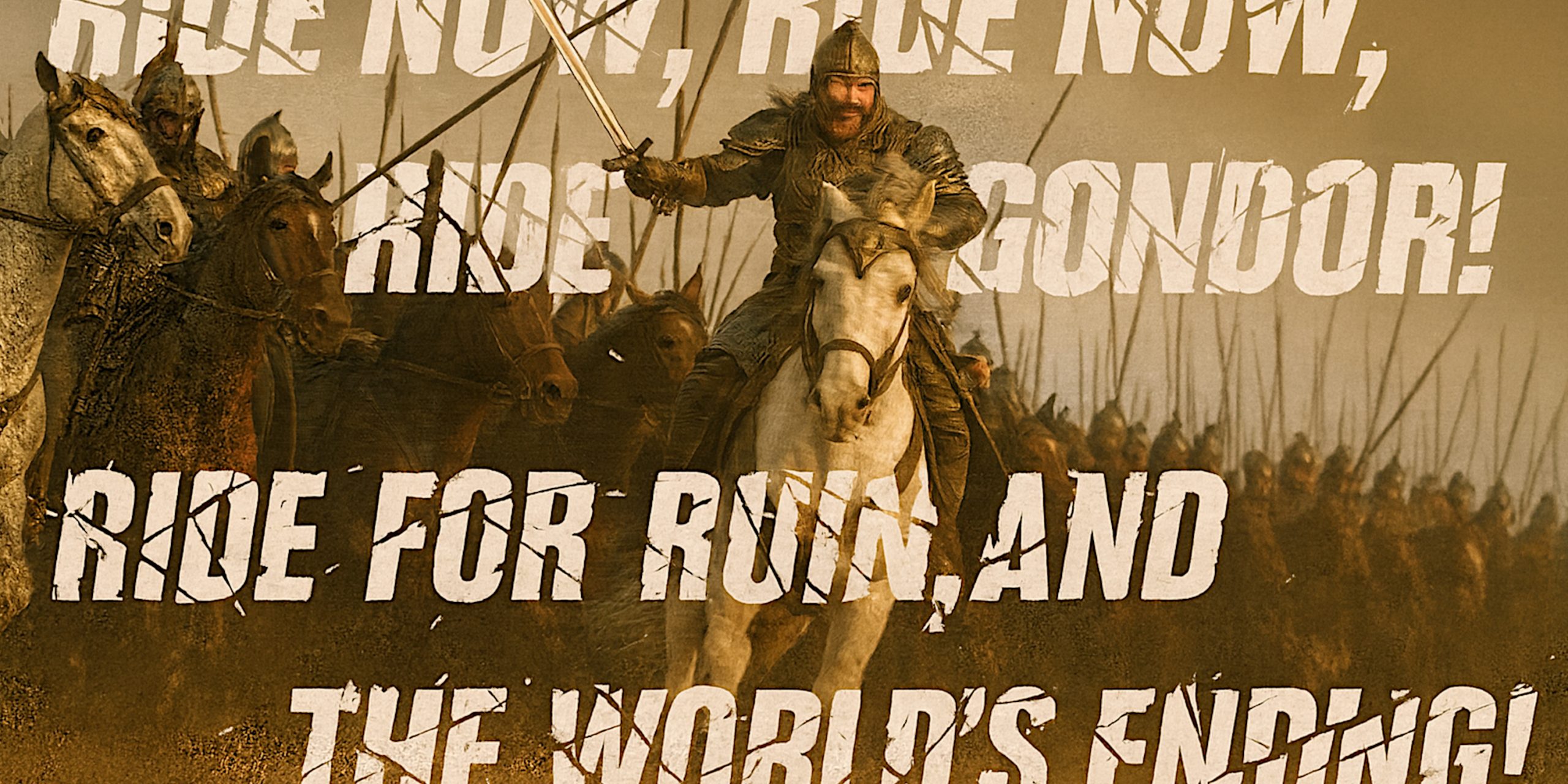
At the Pelennor Fields, Bernard Hill’s King Théoden inspires the Riders of Rohan before they charge against Sauron’s forces. His call of “Ride now, ride for ruin and the world’s ending” is about defiance in the face of overwhelming odds. Accompanied by the thunder of hooves and Howard Shore’s score, this moment has become one of the most iconic pre-battle speeches in cinema.
Maximus Decimus Meridius – Gladiator (2000)
Before leading a desperate defence in the opening battle against the Germanic tribes, Russell Crowe’s Maximus rallies his cavalry with calm authority. His words are pragmatic rather than poetic: “What we do in life echoes in eternity.” The line has since entered popular culture, standing as one of the most memorable in historical epics. The balance of discipline and inspiration reflects a commander who leads by example.
Leonidas – 300 (2006)
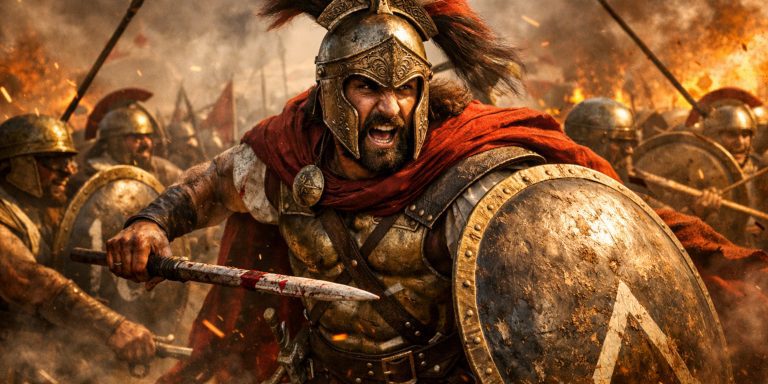
Zack Snyder’s stylised retelling of the Battle of Thermopylae thrives on spectacle, yet Gerard Butler’s Leonidas gives speeches that strike a raw chord. His brief commands and defiant proclamations set the mood for the Spartans’ resistance. When he urges his warriors to “give them nothing, but take from them everything,” it distils the Spartan ethos into a single line, combining fatalism with unbreakable resolve.
Marcus Aurelius – Gladiator (2000)
Though not a rousing cry to troops, Richard Harris as Marcus Aurelius delivers a quiet, reflective speech about Rome and its values. His words to Maximus remind audiences that battles are fought not only for survival but for the legacy of civilisation. While understated compared to Wallace or Théoden, it serves as a powerful counterpoint, showing that speeches before battle can be philosophical as well as martial.
Robert the Bruce – Outlaw King (2018)
In David Mackenzie’s Outlaw King, Chris Pine’s Robert the Bruce speaks before the Battle of Loudoun Hill. His words stress strategy as much as spirit, telling his men how their smaller force can outwit the English cavalry by holding their ground with spears. The speech blends tactical reasoning with national pride, showing a different kind of leadership compared to the more theatrical moments in cinema.
Spartacus – Spartacus (1960)
Kirk Douglas as Spartacus embodies rebellion in Stanley Kubrick’s epic. Before facing the legions of Rome, Spartacus’s speech is filled with determination to fight for freedom, even in the face of certain defeat. His words link the struggles of slaves with the universal longing for dignity, giving the film both political weight and emotional power.
Why These Speeches Endure
These speeches succeed because they speak to universal themes: courage, freedom, loyalty, sacrifice, and the fleeting nature of glory. They remind us that while weapons decide the outcome of battles, words shape the meaning behind them. Whether drawn from history, legend, or fantasy, the greatest pre-battle speeches resonate across time, anchoring films and television in something both human and timeless.
Comparison table of the greatest pre-battle speeches in film and TV history
| Speaker / Character | Film or TV | Year | Context | Key Theme |
|---|---|---|---|---|
| King Henry V (Kenneth Branagh) | Henry V | 1989 | Before Agincourt, outnumbered English vs French | Brotherhood and honour |
| William Wallace (Mel Gibson) | Braveheart | 1995 | Before Stirling Bridge, Scots vs English | Freedom and defiance |
| King Théoden (Bernard Hill) | The Lord of the Rings: The Return of the King | 2003 | Riders of Rohan before Pelennor Fields | Courage against odds |
| Maximus Decimus Meridius (Russell Crowe) | Gladiator | 2000 | Roman cavalry before battle with Germanic tribes | Legacy and discipline |
| Leonidas (Gerard Butler) | 300 | 2006 | Spartans preparing for Thermopylae | Resolve and sacrifice |
| Marcus Aurelius (Richard Harris) | Gladiator | 2000 | Quiet counsel to Maximus before campaigns | Philosophy and values |
| Robert the Bruce (Chris Pine) | Outlaw King | 2018 | Scots before Loudoun Hill, resisting English cavalry | Strategy and national pride |
| Spartacus (Kirk Douglas) | Spartacus | 1960 | Rebels before facing Roman legions | Freedom and dignity |