
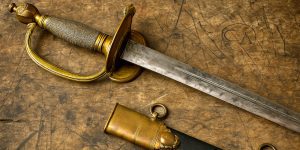
The British 1796 infantry officer’s sword marked a shift in how officers armed themselves during the late...
European Swords
European swords have a long and rich history, spanning thousands of years and evolving significantly over time. These weapons were crafted for various purposes, from combat to ceremonial use, and played crucial roles in shaping European societies. Below is an introduction to the evolution and types of swords commonly found in Europe.
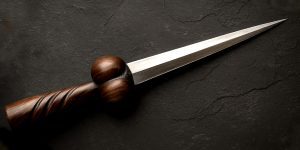
The bollock dagger, sometimes called the ballock dagger, is one of the most distinctive and recognisable weapons...
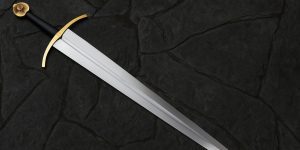
The Oakeshott Type XIV represents a fascinating period of transition in medieval European sword design. Emerging around...
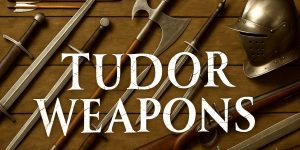
The Tudor era (1485–1603) marked a turning point in English warfare. Medieval chivalry and hand-to-hand combat were...
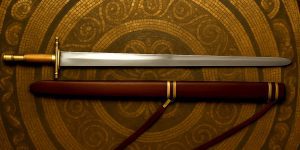
The Byzantine spathion was the sword of a civilisation that bridged the ancient and medieval worlds. Used...
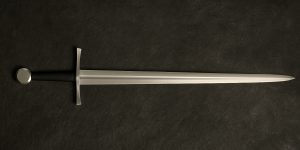
The Oakeshott Type XII is one of the most recognisable and widely used sword forms of the...
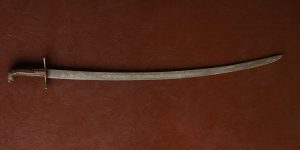
The Transylvanian sabre was a distinct regional weapon that emerged from the cultural crossroads of Central and...
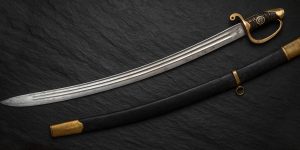
The Russian Dragoon Sabre Model 1910 represents the final refinement of the long sabre tradition in the...
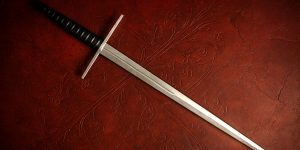
The Oakeshott Type XVII sword is a late medieval weapon defined by its long, rigid, and sharply...
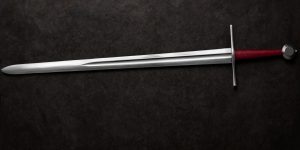
The Oakeshott Type XIII is a defining example of the high medieval knightly sword, emerging in the...