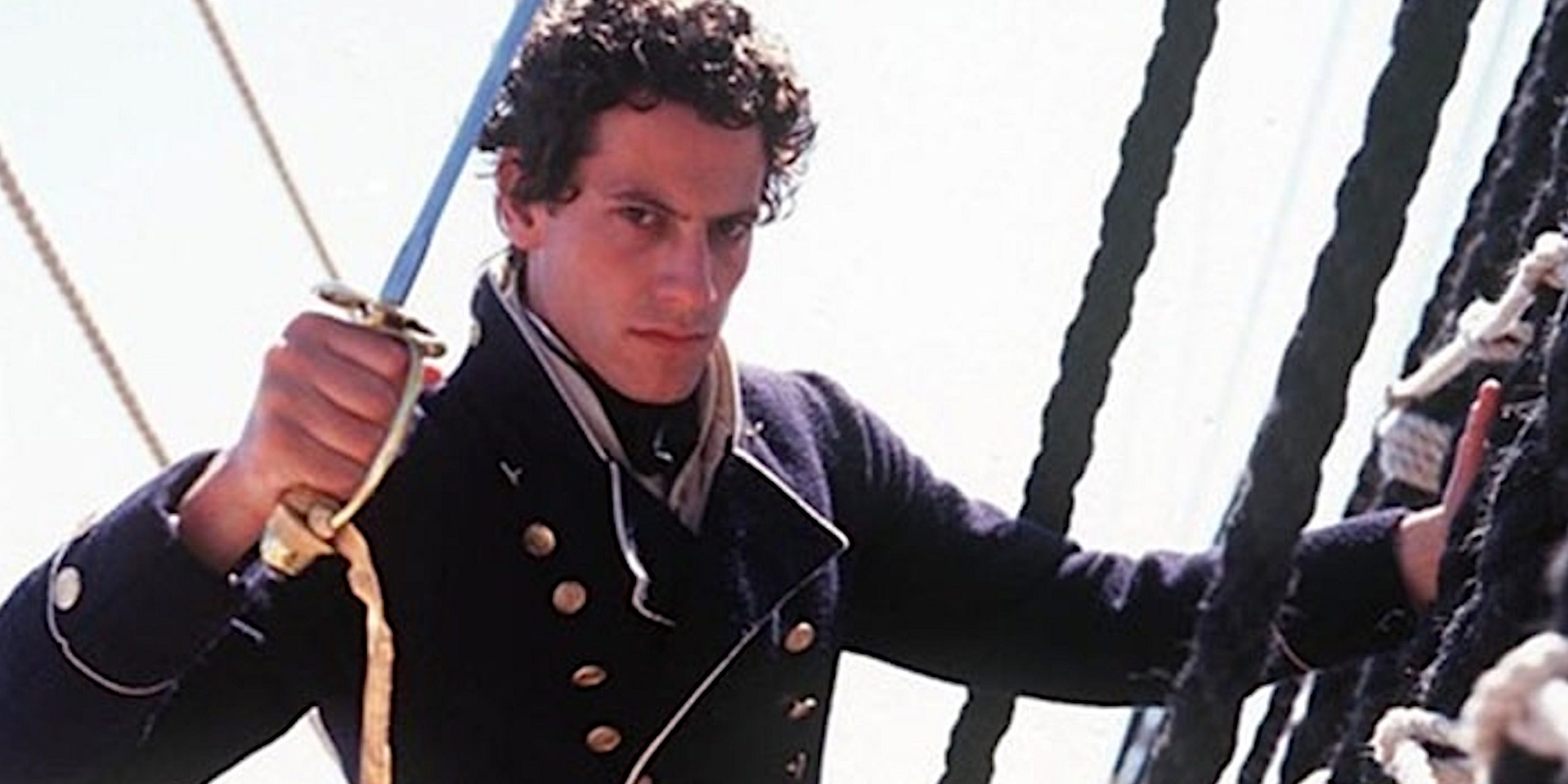
There is something quietly addictive about watching Horatio Hornblower square up to people who are smarter, louder, crueler, or simply better connected than he is. The series understands that a good rival does not need to twirl a moustache. Sometimes they just need to sit at the wrong end of the captain’s table and say the wrong thing with confidence.
This is a look at the best villains and rivals across Hornblower, judged not by body count but by how much they complicate Hornblower’s life, reputation, and already fragile nerves.
Captain Sawyer
Captain Sawyer is unsettling in the way only an authority figure can be. He is not a theatrical villain. He is worse. He is plausible. His instability, paranoia, and obsession with control turn shipboard discipline into something genuinely frightening.
What makes Sawyer so effective is that Hornblower cannot simply outfight him. He has to survive him. The tension comes from restraint, whispered conversations, and the knowledge that one wrong move could mean a court martial or a bullet. Sawyer feels like a warning about what power does when mixed with fear and pride.
Admiral Pellew
Calling Pellew a rival feels unfair, but that is exactly why he belongs here. Pellew is Hornblower’s champion, yet he is also the measuring stick Hornblower never quite reaches. Pellew’s confidence, charisma, and natural authority highlight everything Hornblower thinks he lacks.
Their relationship is quietly brutal in the best way. Pellew pushes Hornblower forward while unknowingly feeding his self doubt. Every compliment feels like a test. Every promotion feels temporary. Pellew represents the ideal Royal Navy officer and Hornblower knows it, which is half the problem.
Lieutenant Bush
Bush is loyal, brave, and decent. He is also everything Hornblower is not. Physically confident, socially comfortable, and instinctively heroic, Bush becomes a mirror that Hornblower never asked for.
This rivalry is internal rather than hostile. Bush does nothing wrong. That is what makes it sting. Hornblower’s envy, guilt, and affection exist all at once, which feels painfully human. Their friendship works because the tension is never fully resolved, just managed.
French Commanders and Privateers
The French officers Hornblower faces are often clever, professional, and irritatingly composed. They do not rant about England. They do their jobs well. This forces Hornblower to win through planning rather than luck or raw courage.
These encounters work because they respect the enemy. The French are not cartoon villains. They are rivals with their own pride and competence. Watching Hornblower outthink them feels earned, not inevitable.
The Royal Navy Itself
If this sounds dramatic, good. The Navy is easily Hornblower’s most consistent antagonist. Rules, hierarchy, tradition, and reputation press down on him constantly. Victory at sea does not guarantee safety on land. One wrong report can undo a year of bravery.
This institutional pressure gives the series its edge. Hornblower is not fighting evil. He is fighting expectations, paperwork, and the quiet suspicion of men who think he looks too thoughtful to be trusted.
Why These Rivalries Work
What makes Hornblower hold up is that the conflicts feel personal without being melodramatic. The villains are not always cruel. The rivals are not always hostile. Sometimes they are just better suited to the world Hornblower lives in.
From a modern perspective, it is oddly refreshing. The show allows its hero to be anxious, awkward, and occasionally resentful. As a viewer, especially one raised on hyper competent protagonists, that honesty lands harder than any naval broadside.