Some shows shout for your attention. Wolf Hall barely raises its voice, yet somehow commands the whole room. It gave us Tudor England without the glitter, without the melodrama, and without the need to fling goblets across the table for dramatic effect. Instead, the story breathed in low candlelight, cramped rooms, and the soft menace of court politics. It felt like someone had finally given the period the gravity it deserved.
I was something like pleasantly startled watching it. Here was a show that trusted its audience to pay attention, to pick up tiny expressions, to understand that power often shifts in silence. It also reminded everyone that historical drama could be sharp, grounded, and patient. Not slow, exactly, but deliberate. It set the tone for a new wave of realism that many series now try to emulate, with mixed success.
How Wolf Hall Rewrote the Period Drama Rulebook
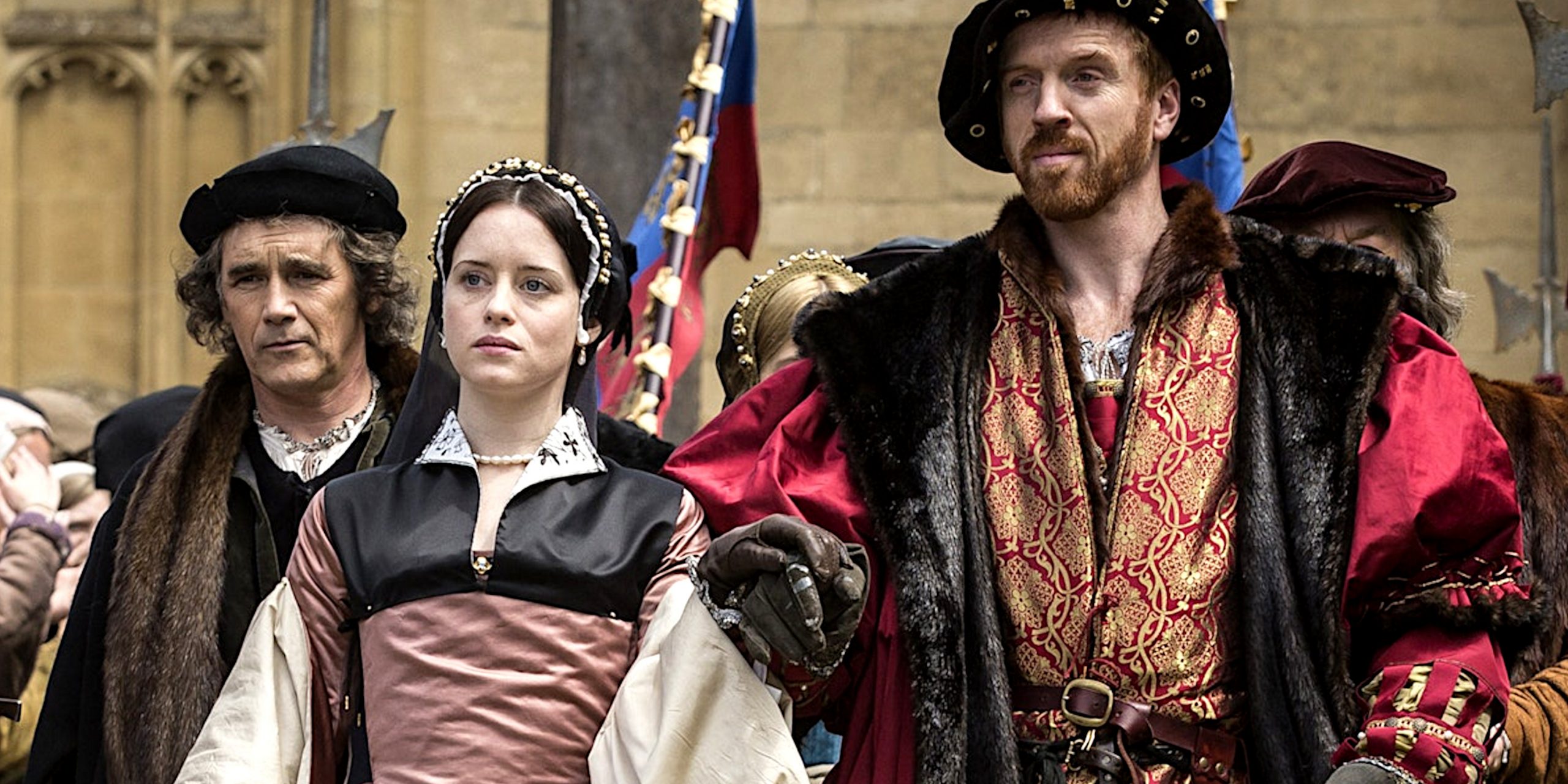
Wolf Hall chose texture over spectacle. The cinematography chased natural light, which sometimes made me squint at my screen, but in a weirdly satisfying way. It felt like a privilege to sit there and watch Cromwell navigate the dark corners of Tudor politics with nothing more than a raised eyebrow. The show resisted the temptation to overexplain or glamorise. That restraint became its signature.
This approach forced other productions to rethink what historical drama could look like. Audiences did not need fireworks every ten minutes. They wanted character, authenticity, moments that felt earned. Wolf Hall proved that history, presented carefully, could still be gripping. It gave people permission to enjoy a quieter kind of television, which still surprises me because streaming culture often rewards the loudest thing in the room.
Why Realism Landed So Well with Modern Viewers
There is something satisfying about a show that does its research and then steps back, letting the world convince you on its own. Wolf Hall had that quality. Clothes looked worn. Rooms looked lived in. Conversations felt like they belonged to people who had not slept properly in months because half the court wanted them dead by autumn. Everything felt precise without feeling fussed over.
You can see its fingerprints across more recent series. Darker lighting. More political nuance. Less reliance on glossy fantasy. None of these trends started out as a manifesto, but Wolf Hall certainly pushed them into the spotlight. It proved there was an appetite for history told with a serious face and a sly smile.
What Wolf Hall Changed for Historical Storytelling
The series shifted the centre of gravity from big events to the people who make them happen. It focused on thought rather than spectacle, showing how a whisper at court could be more dangerous than any battlefield. That change encouraged creators to pull back from melodrama and embrace subtlety. It also opened the door for stories about figures who were previously treated as footnotes.
Modern historical shows seem more comfortable now with quiet threats, internal conflict, and characters who think before they speak. This is very Cromwell energy. The result is a wave of television that feels more grounded, sometimes almost documentary-like, but still cinematic.
The Legacy of Wolf Hall in Today’s TV Landscape
Even a decade later, Wolf Hall remains part of the conversation. When a new period drama releases, people still compare it to the standard that Wolf Hall set. That is quite the legacy for a series that barely raised its voice.
Its influence shows up in pacing, character work, costuming, and even sound design. The confidence to let a scene breathe comes from shows like this. You can almost hear producers saying, quietly, trust the audience.
For viewers like me, who enjoy a bit of intrigue without needing someone to wave a sword every ten minutes, this shift feels refreshing. It is the kind of television that makes you lean forward, not because something explosive is happening, but because something important might be.
Watch the trailer: