Elden Ring throws a lot at you. Dragons, giant hands, whatever is going on in Volcano Manor. Then there are the status effects, which feel like FromSoftware whispering into your ear: what if things were worse. The game never pauses to explain these conditions properly, so you are left putting the pieces together while an Ulcerated Tree Spirit beats you into mulch.
This guide breaks down every major status effect in a way that actually helps. No mystery jargon. No cosmic hand waving. Just the real mechanics, how dangerous they are, and how to keep yourself alive when everything in the Lands Between wants to infect, rot or mind break you.
Scarlet Rot
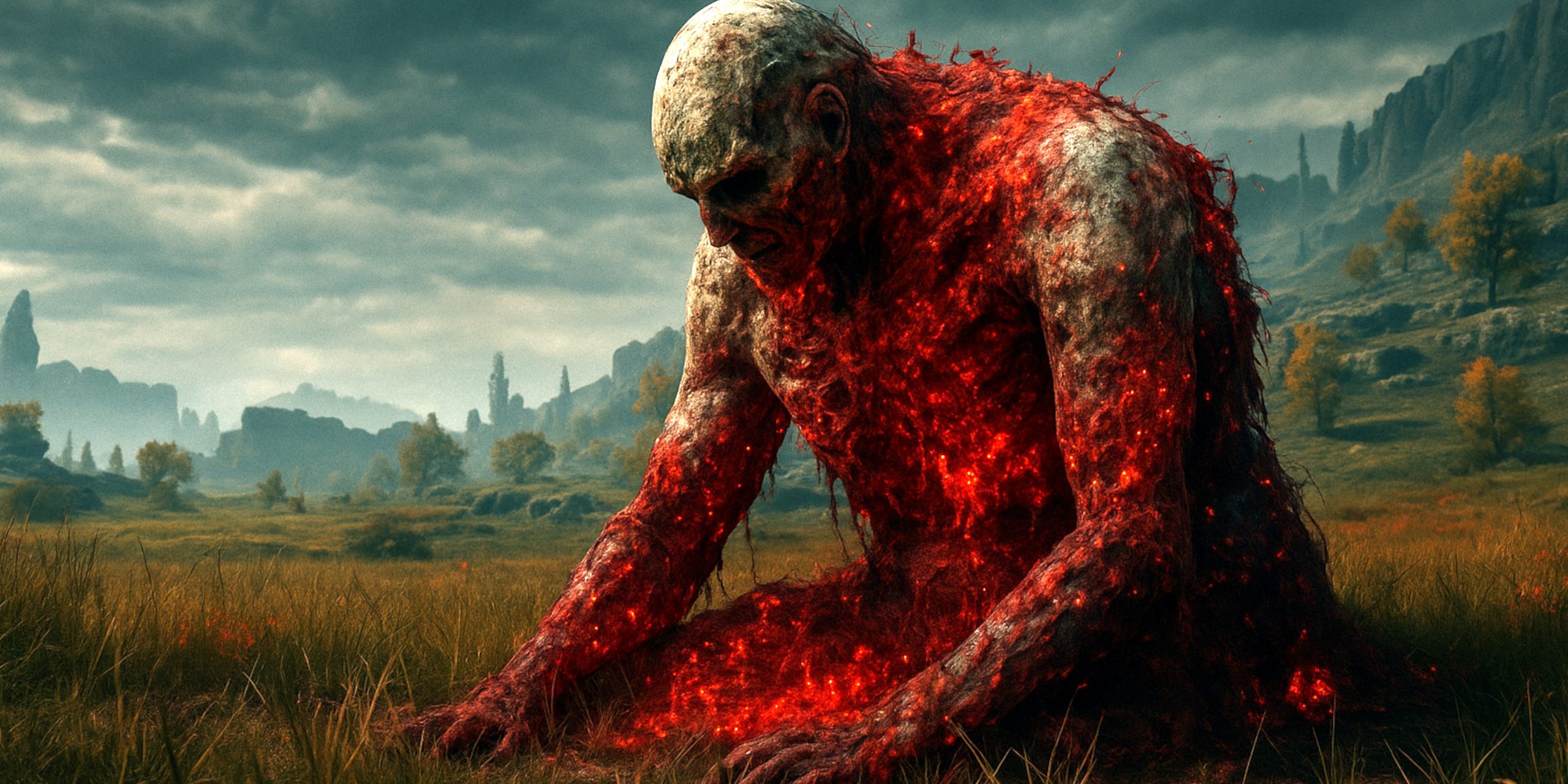
Scarlet Rot feels like poison that has graduated and now wants a career. Once the bar fills, the damage ticks fast and eats through your health like it has something to prove. It is basically the universe’s way of reminding you that Caelid was never safe.
You see Rot mostly in the Swamp of Aeonia, on Cleanrot Knights, and whenever Malenia decides your day has been too peaceful. Rot builds steadily but punishes panic. Running around only gets you killed quicker.
How to survive:
Use items like Preserving Boluses and gear that boosts immunity. If you see anything pink and bubbling, turn around with confidence.
Poison
Poison is Rot’s less aggressive sibling. The damage is slower, although it still wears you down. It shows up constantly in early areas which feels like the game testing your commitment.
How to survive:
Neutralising Boluses, immunity boosting gear, or simply keeping calm. Poison is annoying, not catastrophic.
Bleed
Bleed looks harmless until you realise it is waiting to delete half your health the moment the bar fills. It is one of the strongest status effects both for you and the enemies. Rivers of Blood users already know this well.
How to survive:
Blood Loss can be softened with higher Robustness. If an enemy carries a curved sword and moves like they have been drinking energy drinks, keep your distance.
Frostbite
Frostbite chills your health bar with a chunk of instant damage followed by a short period where you take extra damage. It feels like the game is double dipping your pain.
You see it in the Mountaintops of the Giants and in any fight involving magic users who really enjoy cold weather.
How to survive:
Use Thawfrost Boluses, or rack up fire damage on yourself for a brief moment to reset the build up. Yes, setting yourself on fire works. Yes, it is funny.
Madness
Madness is the status effect equivalent of someone screaming into your soul. The buildup explodes in a huge chunk of damage and drains your FP, which feels rude. Frenzied Flame mobs, especially the eye-blasting villagers, love spamming this.
How to survive:
Wear gear that boosts Focus and break line of sight whenever enemies start glowing like they are about to shout lore directly into your brain.
Sleep
Sleep is surprisingly peaceful for a game that never lets you relax. Fill the bar and enemies slump over, giving you a window to do whatever you like. It works both ways though, so stay alert.
How to survive:
Use Clarifying Boluses to protect yourself, although you probably will not see many enemies using it outside niche encounters.
Death Blight
Death Blight is the one status that does not play around. If the bar fills, you die. That is it. Basilisks and those awful grabby plants exist purely to ruin your day.
How to survive:
Stay away from the yellow clouds. Boost your Vitality if you insist on getting close, but honestly, why risk being turned into a tree.
Madness vs Frenzy
A quick note because players mix these up. Frenzied Flame is the lore behind the Madness effect, while Madness is the actual mechanical condition killing you. The more you understand the distinction, the better you will handle encounters in the Frenzied Flame Village without questioning your life choices.
Hemorrhage
A fancier name for Bleed used in item descriptions. Functionally it is the same thing. It hurts. It works well on bosses. It does not care about your emotional state.
Rot vs Poison
Rot hits harder and faster but lasts for a shorter time. Poison lingers but does not chunk your health quite as aggressively. If both hit you at once, congratulations, you are now living in Caelid conditions.
Build Up Basics
All status effects have a hidden tug of war behind the scenes. Attacks stack build up, your resistances slow it down, and once the bar fills, the effect triggers. Higher resistances mean you can take more hits before things go south. This is why late game armour is not just about fashion, although fashion absolutely wins most arguments.
How to Resist Everything Without Becoming a Walking Boulder
Most resistances come from armour, talismans, stats, and consumables. You do not need to optimise every slot. Just keep a few items on hand and know what each status looks like. If something starts glowing or bubbling on your screen, assume it wants you gone.
When to Use Status Yourself
Elden Ring is built for creative suffering on both sides. Bleed builds melt bosses. Frostbite combines well with fire. Sleep turns certain tough enemies into very confused statues. Using status effects is not cheap, it is learning.
Seven Swords Takeaway
Once you get the hang of them, status effects stop feeling like mysterious curses and start feeling like tools. They add flavour, chaos and the occasional meltdown when a random rat in Leyndell gives you Scarlet Rot for absolutely no reason.
Understand them and you have more control over every fight. Ignore them and the Lands Between will happily teach the lesson again.