The Landsknechts have always felt like the rowdiest footnote in early modern Europe. They marched across the empire in bright slashed garments, carried weapons longer than a horse is tall, and fought with an attitude that probably made their commanders reach for the nearest wine jug. Yet for all their swagger, they became one of the most effective infantry forces of the sixteenth century. Their legacy sits somewhere between military professionalism and theatrical menace, which is partly why historians cannot help but enjoy writing about them.
Origins and recruitment
The story begins in the late fifteenth century. Emperor Maximilian I wanted infantry that could match the fearsome Swiss pike squares. His solution was simple enough. Take the Swiss model, stir in German ambition, then promise decent pay. The result was a new class of mercenary, trained to push pike heads into the faces of rival infantry with a surprising amount of discipline for men who often slept in taverns.
Recruitment was a colourful affair. Muster points would fill with veterans, farm boys, hopeful wanderers and the odd runaway from justice. Captains, known as Hauptleute, selected men who looked ready for hardship and not too worried about the risks. A sixteenth century chronicler wrote that “a Landsknecht fears God, honour, and little else.” It is hard to know if he meant it as praise or gentle despair.
Life on campaign
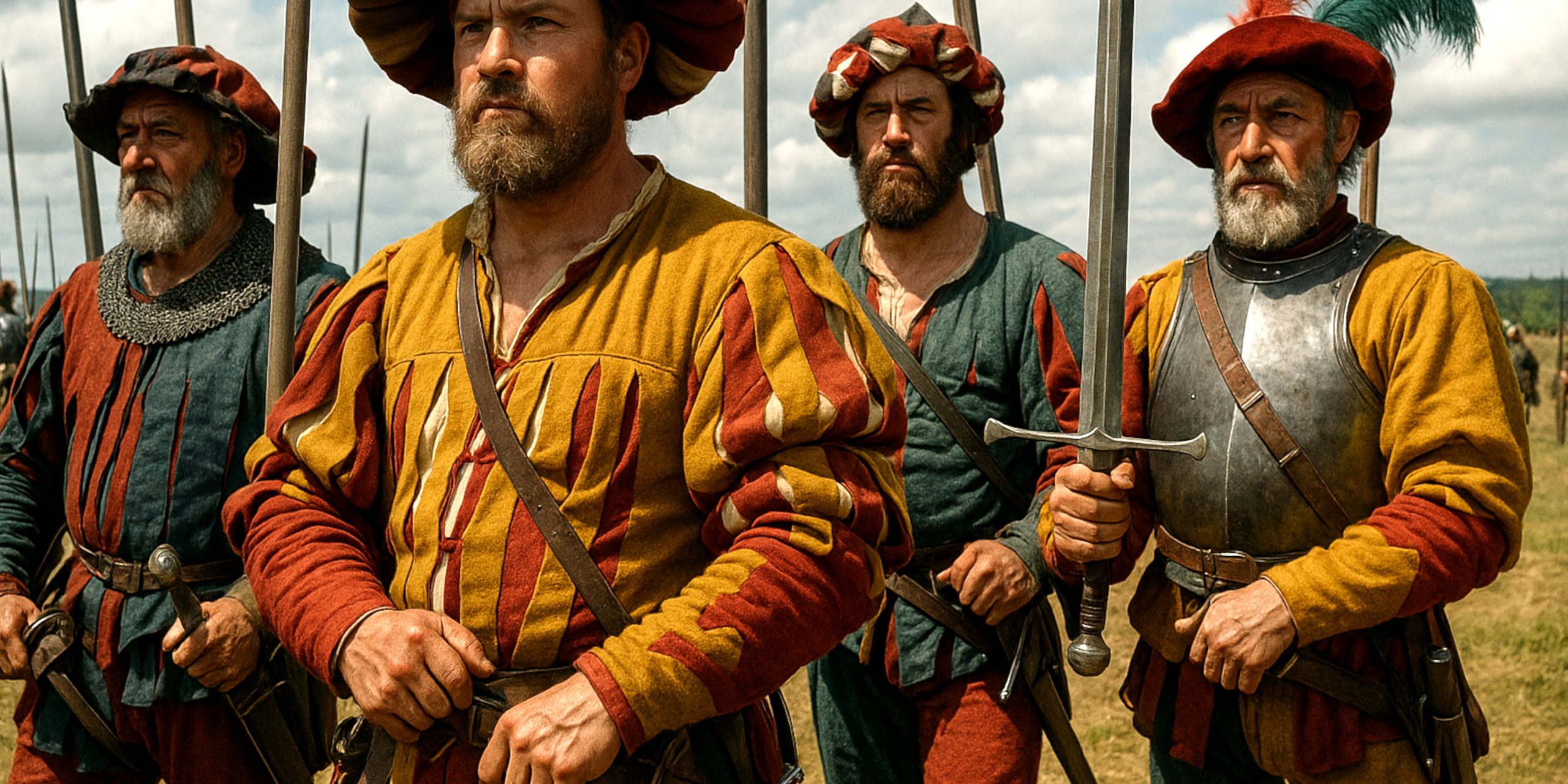
Their regiments functioned with a mixture of strict rules and deliberate chaos. Companies had their own internal courts, their own music, their own drinking culture, and occasionally the kind of moral code only a soldier could love. Once on the march, they formed tight blocks of pikemen supported by crossbowmen, arquebusiers and the famous Doppelsöldner who earned double pay for standing in the front ranks with enormous two handed swords.
The same chroniclers who admired their courage also commented on their love of plunder. One Italian city official remarked, “They enter like a storm. They leave with less courtesy.” Again, the tone feels politely horrified.
Arms and armour
Landsknecht equipment reflected both fashion and function. Their distinctive clothing allowed for movement and showed off whatever coin they had earned. On the battlefield the essentials remained fairly consistent.
Pikes
The backbone of any regiment. Usually around fifteen to eighteen feet long. These were used to create a bristling wall of spearpoints for both offence and defence.
Zweihänder swords
Carried by Doppelsöldner. These massive two handed blades were used to break enemy pikes or cut gaps in their ranks. Surviving examples often weigh less than modern myth suggests, but they were still heavy enough to demand considerable strength.
Katzbalger swords
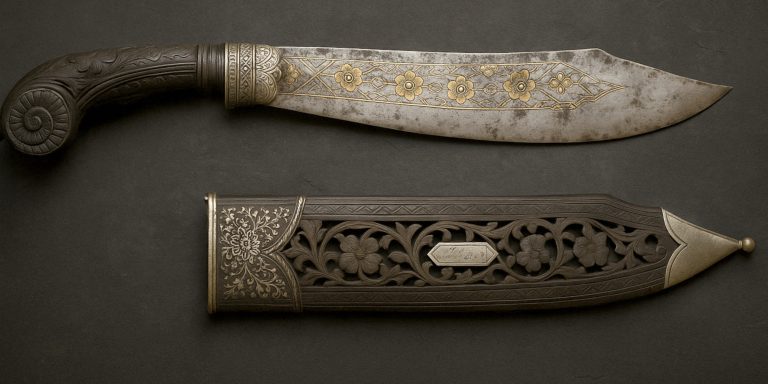
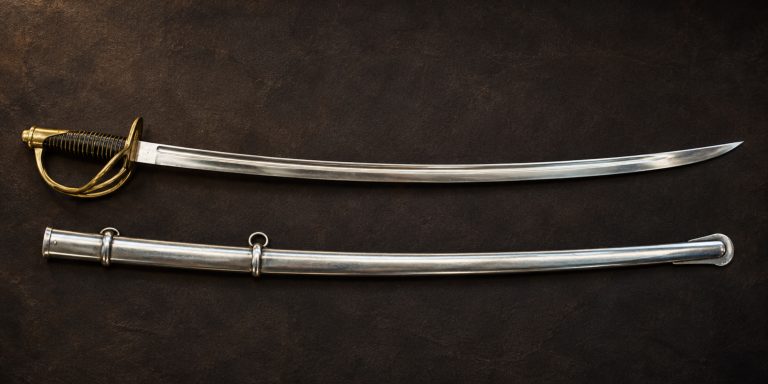
Short, sturdy, and ideal for close quarters when the pikes locked and chaos set in. Their s shaped guards and broad blades made them reliable sidearms. Many surviving examples in museums show considerable wear, which suggests they saw real service rather than ceremonial use.
Daggers and messers
Many soldiers carried single edged messer blades for camp work or sudden fighting. Daggers, especially rondel types, were common for finishing blows or grappling encounters.
Armour
Most pikemen wore a breastplate with tassets and sometimes a sallet or burgonet helmet. Armourers in Nuremberg and Augsburg produced high quality gear. Wealthier soldiers customised their harness with etched patterns that probably made them feel like minor nobility for an afternoon.
Archaeology and material evidence
Archaeological finds from battlefields such as Pavia and Bicocca offer a clear picture of Landsknecht involvement. Pike heads, crossbow bolts, and fragments of armour plates show the dense and violent nature of these engagements. Some graves uncovered near Pavia contain men with broken ribs, crushed limbs, and deep blade wounds, all of which fit the grim expectations of pike warfare.
A set of surviving Zweihänder blades in Munich and Vienna feature stamped marks of the Brotherhood of Saint Mark, the fencing guild responsible for certifying swordsmen. The marks serve as a quiet reminder that professionalism did exist behind the flamboyant image.
Excavations at old imperial armouries also reveal the scale of production. Racks of breastplates, bundles of pike shafts, and crates of helmets point to a logistical machine that kept these mercenary armies moving from campaign to campaign.
Tactics and battlefield role
The Landsknechts specialised in coordinated pike blocks. Their squares advanced steadily with drum and fife guiding tempo. When two pike formations met, the initial collision often turned into a prolonged shoving match punctuated by sudden thrusts. Arquebusiers and halberdiers worked around the edges to exploit openings.
Their greatest victories often came when fighting as part of a combined arms system. At Pavia in 1525, imperial Landsknechts helped pin the French infantry long enough for arquebusiers and cavalry to deliver the decisive blow. A French prisoner later said, “The Germans held firm as if the earth had grown around their feet.”
Culture, appearance, and reputation
Their fashion remains one of the most recognisable in historical Europe. Slashed sleeves, bright colours, feathers, ribbons, and the occasional sense of bad taste. It was a visual statement of bravado. Some moralists complained that “a soldier should march with modesty, not vanity” although these critiques never slowed the Landsknechts’ enthusiasm for eccentric tailoring.
Their reputation spread quickly. They were admired for discipline and feared for their temperament. A Venetian observer once joked that they could drink a city dry before lunch. The remark was probably exaggerated, although not entirely untrue.
Legacy
By the later sixteenth century their time was passing. Firearms grew more dominant and professional standing armies became common. Yet their influence endured in the development of early modern infantry doctrine. The image of the flamboyant German mercenary still finds its way into art, literature, and even modern reenactment groups who bravely attempt the slashed clothing without the original smell.
Watch the documentary: