Crusader Kings 3 gives you a whole medieval sandbox to play with, but it is the dynasties that really decide whether your legacy becomes a shining power bloc or a flaming wreck in the corner of the map. Some families have a head start through geography or culture, others have cracked coding tricks like genius heir pipelines or absurd men at arms bonuses.
This list looks at the dynasties that tend to punch hardest. It is not just raw numbers. It is how consistently they dominate campaigns, how often they spawn nightmare vassals, and how fun they are to pilot. I have played more CK3 nights than I would comfortably admit to any employer, so consider this both informed and slightly sleep deprived.
The Karling Dynasty
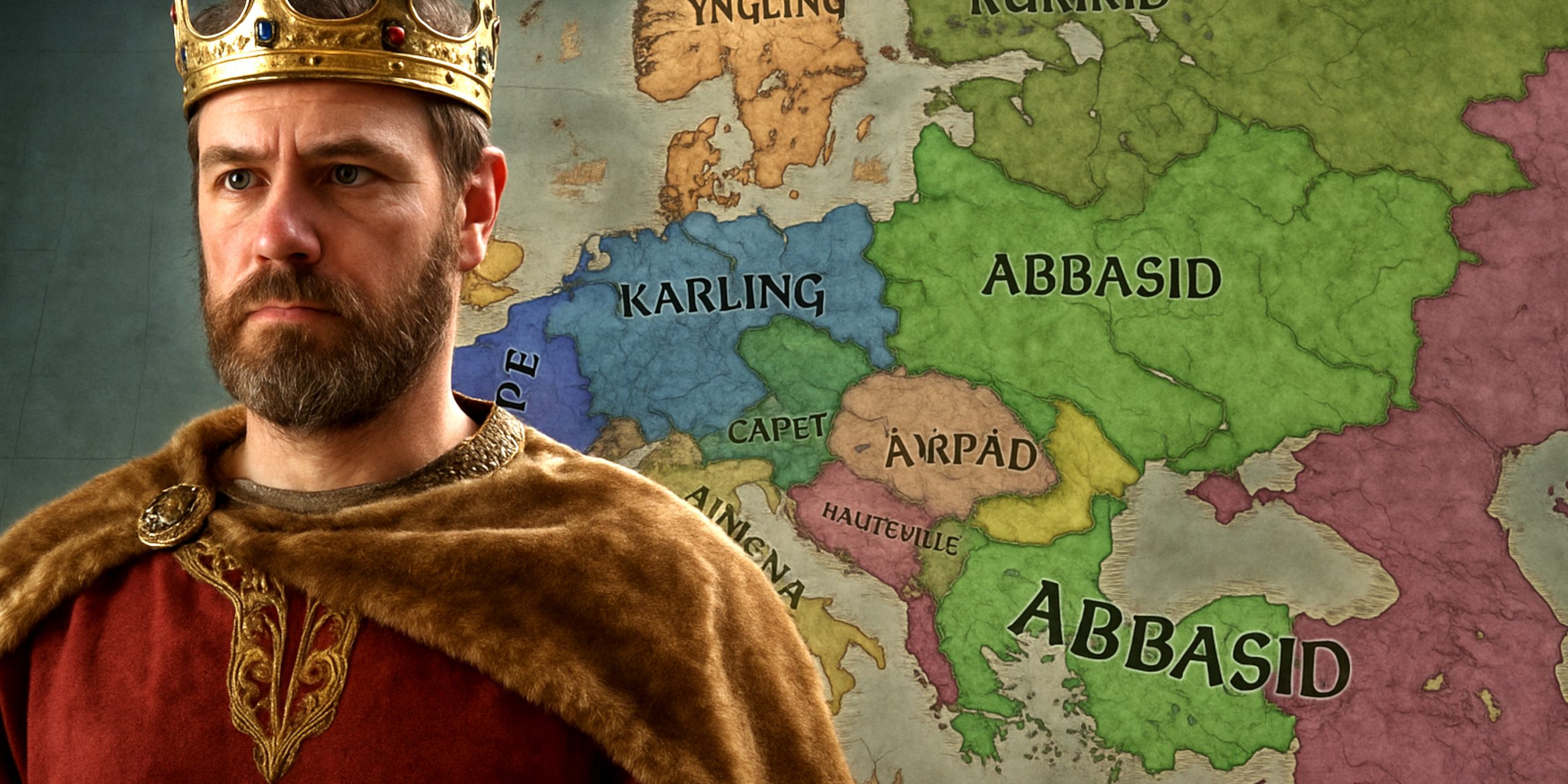
The Karlings start big. Half of early medieval Europe is basically a Karling family reunion that somehow got out of hand. They control prime land, enjoy heavy title density, and have enough branches to make a genealogist weep.
Playing a Karling feels like juggling flaming crowns in a crowded hallway. Yet that chaos gives you absurd expansion potential. Claims everywhere, alliances without effort, and succession events that practically write their own memes.
The Rurikid Dynasty
If the Karlings rule the centre, the Rurikids dominate the north and east. The combination of tribal strength, huge territory, and early access to raiding gives this dynasty a momentum that is tough to stop.
Once you reform or convert, the realm settles into something surprisingly stable. You get powerful martial rulers and a steady supply of long bearded uncles who volunteer as commanders even when they definitely should not.
The Abbasid Dynasty
The Abbasids begin with a realm that feels almost too good to be true. Wealthy land, deep historical flavour, strong cultural traditions, and a position that encourages both expansion and internal politicking.
Even after the fragmentation events, Abbasid playthroughs recover faster than most expect. Big incomes, high development, and reliable alliances make them one of the most durable dynasties in the game.
The Capet Dynasty
The Capetians start small but have something very few rulers enjoy in 867 or 1066. Safety. France tends to consolidate around them, and even when things fall apart, they usually end up back on the throne like medieval rubber ducks that simply refuse to stay underwater.
Add in solid cultural bonuses and Paris as a powerhouse, and suddenly you are running a dynasty that acts like a medieval version of a stable influencer brand.
The Árpád Dynasty
Hungary under the Árpáds is basically a speedrun of consolidation. The dynasty sits in a strong military position, has access to excellent cavalry, and controls a region that lets you swing into the Balkans or the steppe depending on your mood.
The family itself has great martial strength, and once you reform the realm you become one of the toughest mid game powers on the map.
The Jimena Dynasty
Castile, León, Galicia. The Jimenas are like the medieval version of three siblings arguing over the family group chat, except the stakes involve whole kingdoms. All three branches have claims on each other which creates constant tension but also guaranteed opportunities.
Once you unite the crowns you become a Reconquista juggernaut with amazing expansion paths and cultural bonuses that thrive in warfare.
The Seljuk Dynasty
The Seljuks do not start on the throne. They arrive like a polite earthquake that asks for water before taking half your house. Their event chain launches a powerhouse empire with elite troops and an uncanny ability to reshape the Middle East.
A player led Seljuk dynasty becomes one of the strongest map painters, especially once you mix their martial strength with well chosen succession laws.
The Hauteville Dynasty
Norman adventurers in southern Italy are always fun, and the Hautevilles have the perfect blend of ambition and chaos. They start small but with the flavour of a dynasty that refuses to stay in its lane.
You can carve through Sicily, dabble in crusader politics, or just build a Mediterranean trading monster. Their cultural hybrid potential is also one of the most entertaining in CK3.
The Piast Dynasty
Poland under the Piasts has a neat balance of challenge and power. Enough land to build something huge, enough neighbours to keep you alert, and enough internal drama to make you feel like you are playing CK3 properly.
Once you consolidate and crown yourself, the dynasty becomes a late game heavyweight that can throw its weight around from the Baltic to the Carpathians.
The Yngling Dynasty
If you want pure highlight reel energy, the Ynglings deliver it. Scandinavian raiding, adventurer events, naval mobility, and the potential to form the North Sea Empire.
Their rulers often roll strong martial traits and they have a habit of producing characters who feel like they belong in sagas. You can go full Viking conqueror or reform into a stable realm with surprising economic depth.
Seven Swords Takeaway
Power in Crusader Kings 3 is not only about who starts with the most land. It is about who can turn early advantages into multigenerational dominance. These dynasties shine because they create momentum, and momentum in CK3 is basically how you win the medieval world one dynasty perk at a time.
If you have a favourite dynasty that always seems to take over your campaigns, feel free to claim that bias proudly. This is CK3 after all. Half the fun is choosing your family, and the other half is pretending you totally meant for that catastrophic succession to happen.