Sword collecting draws interest from historians, martial artists, reenactors, and investors alike. Whether based on beauty, combat history, or rarity, certain types of swords consistently rank among the most desirable. Below is a selection of ten sword types that offer significant value, both in historical importance and collector appeal.
1. Katana (Japan)
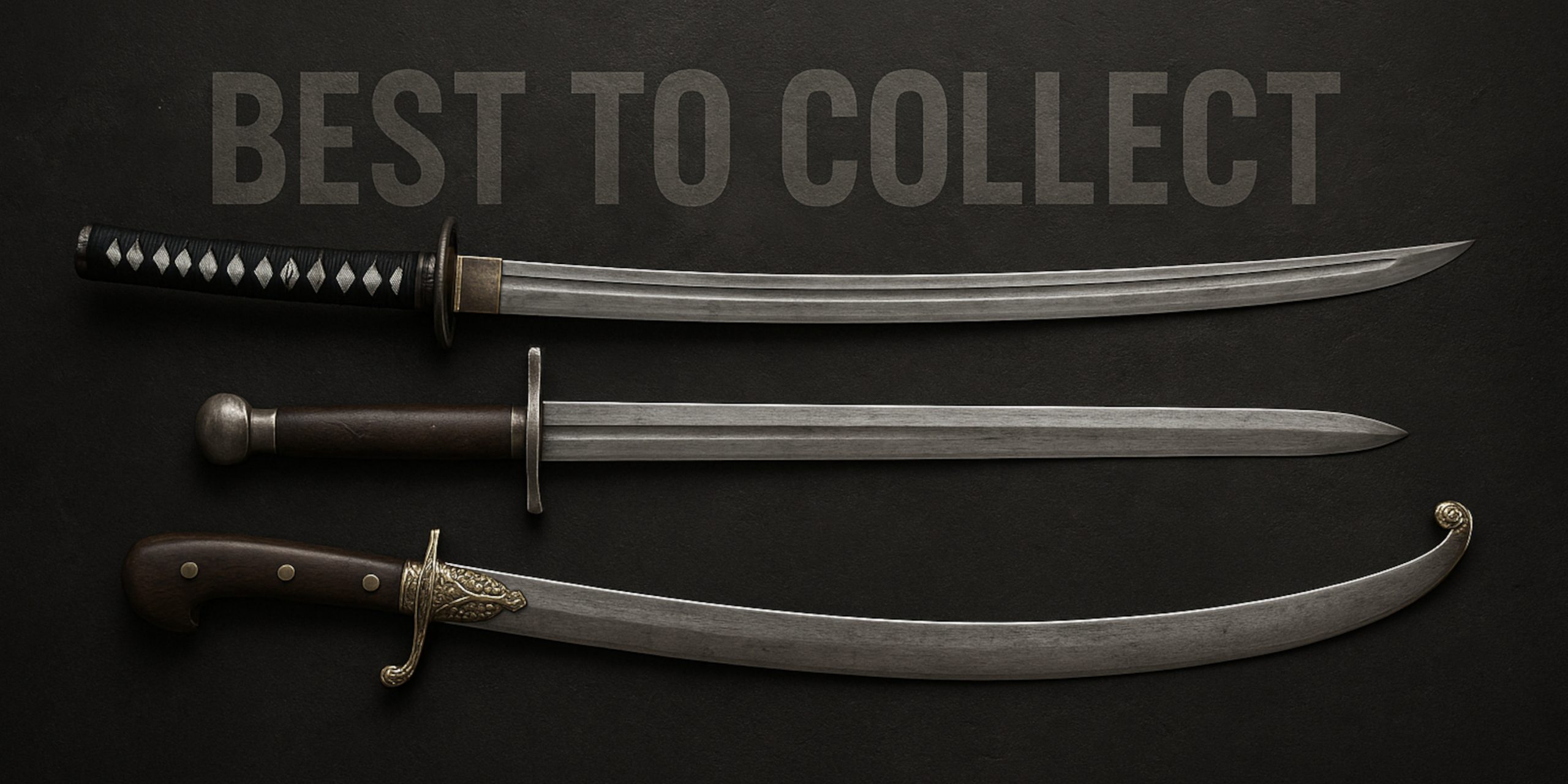
Renowned for its curved blade, the katana symbolises the craftsmanship of feudal Japan. Traditionally made using folded steel, with a hard edge and softer spine, it combines elegance with deadly practicality. While mass-produced versions are widespread, collectors seek out hand-forged blades from known swordsmiths, especially from the Kamakura and Edo periods.
2. Arming Sword (Europe)
The classic knightly sword of the High Middle Ages, the arming sword features a straight, double-edged blade and cruciform guard. It was the main sidearm of European knights and men-at-arms from the 11th to the 14th century. Authentic examples from archaeological sites or armouries are highly sought after, though well-documented museum-grade replicas also hold value.
3. Shamshir (Persia)
The Persian shamshir is instantly recognisable by its deep curve and narrow profile. It was designed for powerful slashing attacks from horseback. Fine examples feature intricate inlays, precious metal fittings, and inscriptions. Safavid and Qajar-period shamshirs with provenance command significant interest.
4. Jian (China)
The Chinese jian is a straight, double-edged sword known as the “Gentleman of Weapons.” Used in both warfare and martial arts, it carries strong cultural and philosophical significance. Antique jian from the Tang and Ming dynasties are rare, with quality replicas also popular among traditional Chinese martial artists.
5. Viking Sword (Scandinavia)
Used from the 8th to the 11th century, the Viking sword evolved from Roman spathas. It typically has a wide, double-edged blade and short guard, with richly decorated hilts on higher-status weapons. Ulfberht swords, marked with that name inlaid in the blade, are especially prized. Most are found through archaeological digs, with preservation condition influencing value.
6. Falchion (Europe)
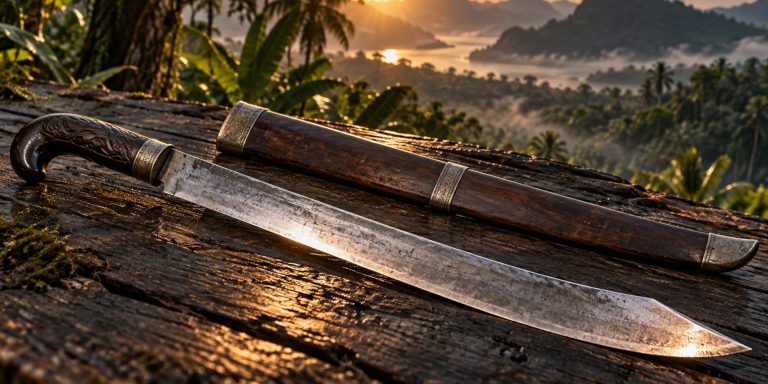
With its single-edged, slightly curved blade, the falchion bridges the gap between sword and machete. It was used in the later Middle Ages and often appears in manuscript illustrations. Surviving examples are rare, but reconstructions based on museum pieces make it accessible to modern collectors.
7. Kilij (Ottoman Empire)
The kilij is a distinctive Ottoman sabre with a flared tip known as a yalman, optimised for slicing cuts. It became the archetype for Turkish cavalry swords. Collectors favour examples with silver or gold damascening, calligraphic inscriptions, and high-quality wootz steel blades.
8. Gladius (Rome)
The Roman gladius, particularly the Mainz and Pompeii types, served as the standard infantry weapon of the legions. With its short, thrusting blade, it was built for close-quarters combat. Original examples are found in museum collections or recovered from sites like Pompeii. Replicas are widely produced for historical interpretation and collecting.
9. Talwar (India)
An Indian curved sword with a disc pommel and broad blade, the talwar was used across the subcontinent by Mughal, Rajput, and Sikh warriors. Many examples feature decorated hilts, inscribed blades, or gold koftgari. The regional diversity and aesthetic embellishments make it a dynamic category for collectors.
10. Zweihander (Germany and Central Europe)
These enormous two-handed swords were used by landsknechts and shock troops in the 16th century. Some were wielded in battle, others served ceremonial purposes. Their size, flamberge (wavy) blades, and parrying hooks make them visually impressive. Authentic pieces are rare and often reside in museum armouries, but even reproductions have strong presence in private collections.
The Seven Swords takeaway
A serious sword collection reflects both appreciation for history and an understanding of craftsmanship. While trends and availability may shift, these ten types represent enduring pillars of the collecting world. Provenance, authenticity, condition, and craftsmanship all determine value. Whether your focus is martial heritage or material artistry, these swords offer a foundation for a meaningful collection.