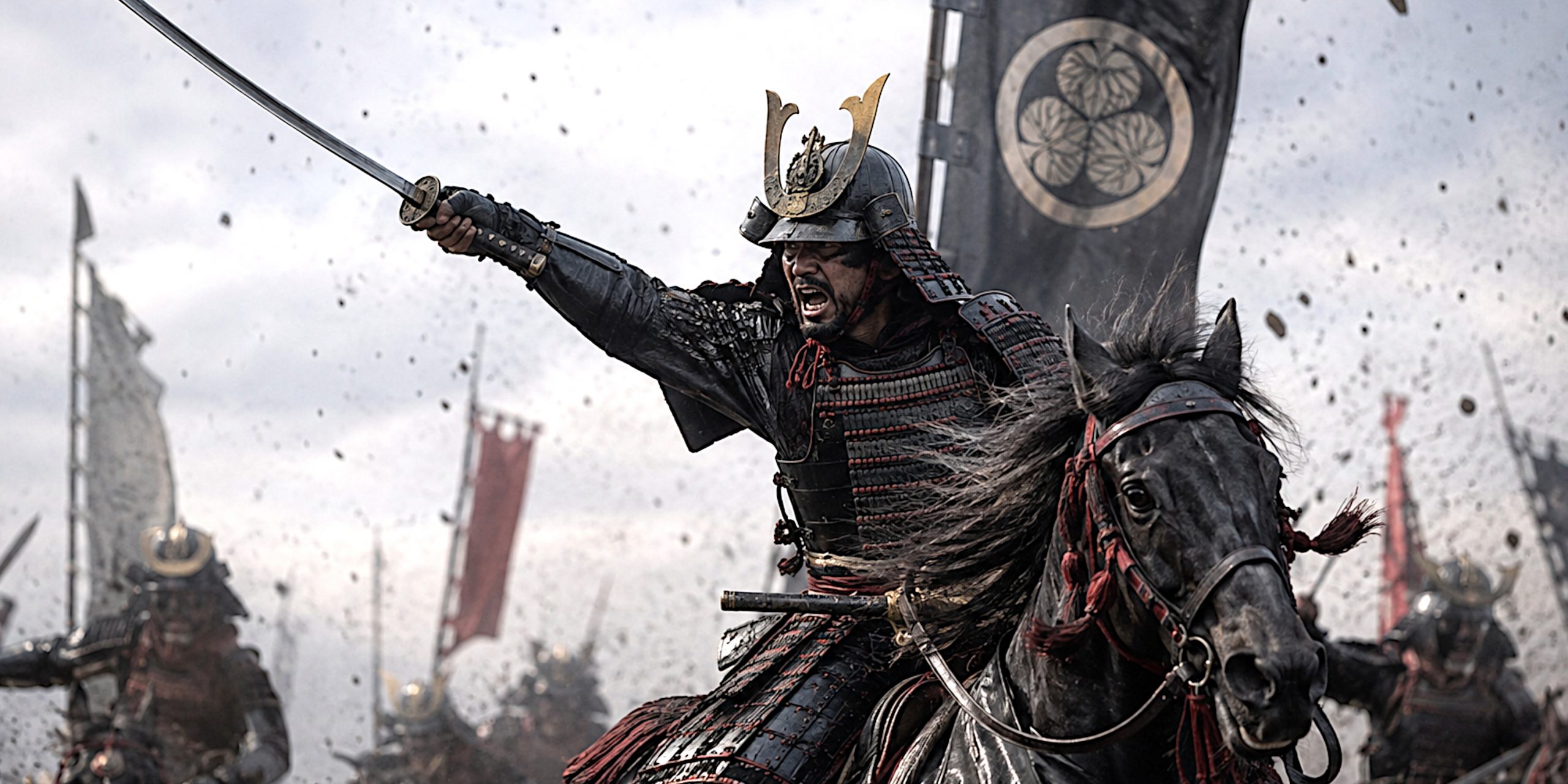
The katana gets most of the attention. Give a film character a troubled past, decent hair and a Japanese sword, and chances are that is what they are carrying.
Yet Japanese swordmaking produced a much wider range of weapons. There were elegant tachi suspended from a warrior’s belt, compact wakizashi, finely worked tantō and enormous ōdachi that make ordinary swords look faintly apologetic.
Choosing the best Japanese sword means deciding what you value. Reach? Convenience? Craftsmanship? Historical significance? A blade that suited a mounted warrior was not necessarily the sensible choice inside a crowded building.
Here are the principal types worth knowing, what distinguished them and where their reputations need a little historical restraint.
Best Japanese Swords at a Glance
These are editorial choices based on each weapon’s particular strengths, rather than a claim that one design outperformed everything else.
| Sword type | Standout quality | Main compromise |
|---|---|---|
| Katana | Balance of reach, handling and portability | Less reach than longer weapons |
| Tachi | Long, curved blade associated with mounted warriors | Suspended mounting is less compact |
| Wakizashi | Convenient companion sword | Shorter reach |
| Ōdachi | Exceptional reach among swords | Demanding size and handling |
| Tantō | Compact blade with remarkable artistic potential | Very limited reach |
Blade length helps identify Japanese swords, but it does not explain everything. Mountings, period, shape and later alterations also matter. The Kyoto National Museum highlights overall proportions, curvature, point and tang as clues to a sword’s changing purpose.
Katana: The Strongest All-Round Choice
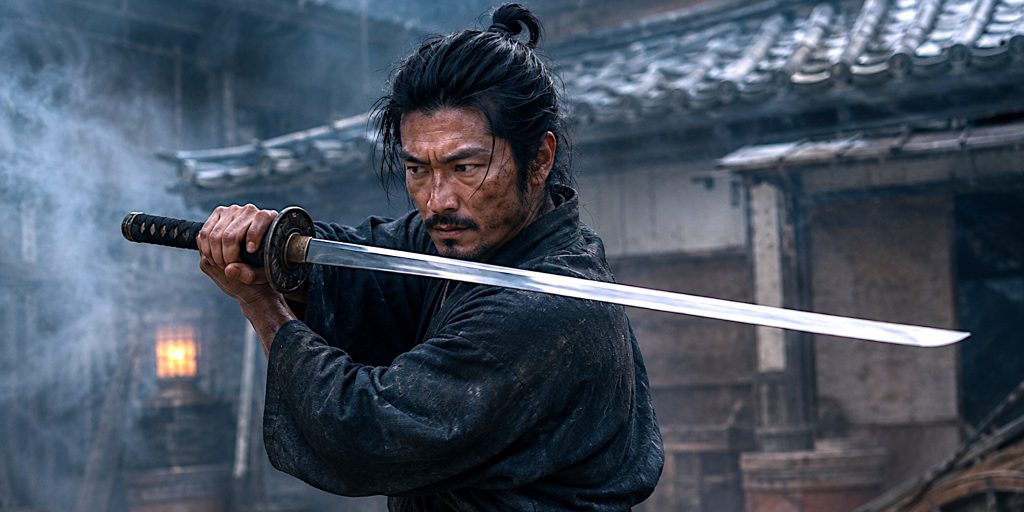
If I had to pick one sword to introduce the Japanese tradition, I would choose the katana. Its reputation is occasionally exhausting, but the design itself deserves attention.
The familiar form combines a curved, single-edged blade with a grip accommodating two hands. It is worn thrust through the sash with the cutting edge upwards, unlike the suspended, edge-down tachi. This distinction concerns how the weapon is mounted and carried, rather than simply how curved it looks. V&A Blog
Its appeal lies in a useful compromise. It offers substantial cutting reach without the bulk of a great sword, while the two-handed grip provides control.
Why it earns its place:
- A practical balance between blade length and portability.
- A design suited to both cutting and thrusting.
- An enormous surviving variety of blades and fittings to study.
However, calling the katana a sword designed primarily for indoor fighting gives the wrong impression. A full-length blade still needs room. Nor did its cultural importance make every Japanese battle a sword duel: samurai military equipment included bows, spears and firearms as well as swords.
My verdict: The most convincing all-round choice here, provided we judge it as a well-developed sword rather than an object exempt from physics.
Tachi: The Sword That Deserves More Attention
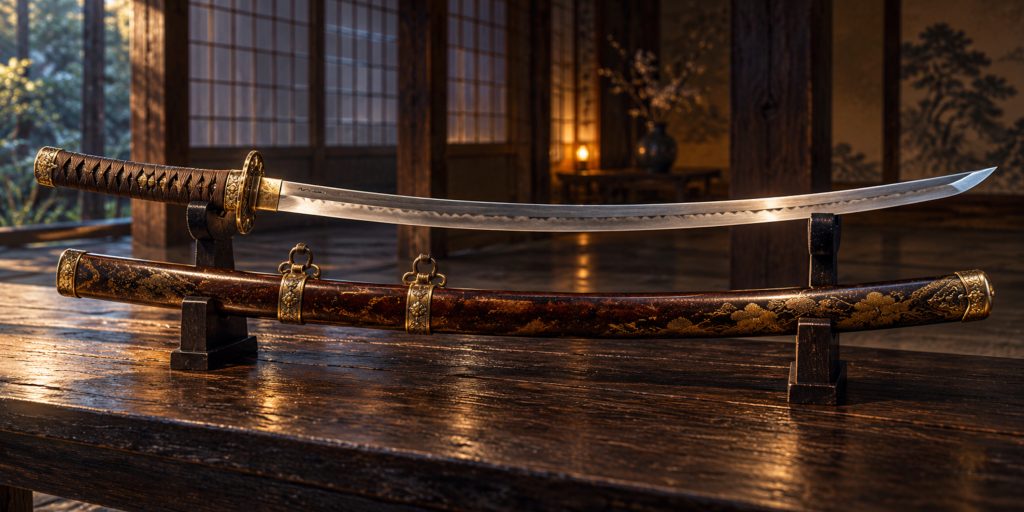
The tachi has the misfortune of being introduced as “the sword before the katana”, which rather undersells centuries of craftsmanship.
Worn suspended from the belt with its edge downwards, it is closely associated with Japan’s medieval mounted warriors. Many examples have a pronounced curve, although proportions vary considerably between periods and schools. The mounting remains an essential identifying feature.
What interests me most is how surviving swords record changing tastes and requirements. Some older tachi were shortened and adapted for later use as katana. This could involve substantial alteration to the tang, sometimes removing an original signature. The signature was not simply “reversed”, as though someone had turned a label around.
Why it earns its place:
- Strong connections with medieval warrior culture.
- Distinctive proportions and suspended fittings.
- Exceptional surviving examples from early swordmaking traditions.
The famous Dōjigiri Yasutsuna, held by Tokyo National Museum, is a National Treasure and a major example of the type. Its association with the slaying of the demon Shuten Dōji belongs to legend, which should be enjoyed without being mistaken for a documented combat report.
My verdict: My choice for historical fascination. The tachi makes the familiar katana story considerably more interesting.
Wakizashi: The Most Underestimated Japanese Sword
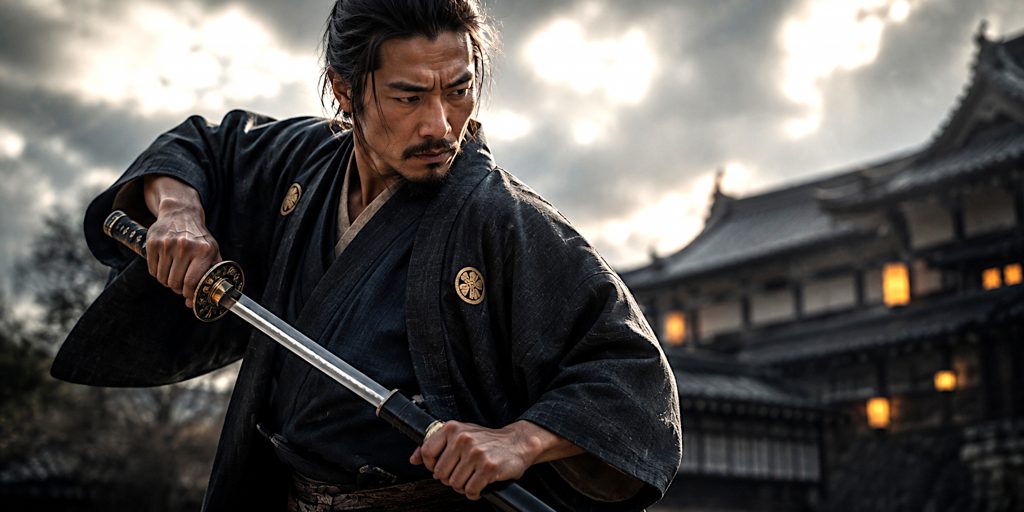
The wakizashi rarely receives the dramatic entrance. It is usually introduced as the smaller sword beside the katana, then politely ignored.
That is a mistake.
Typically classified with a blade between approximately 30 and 60 cm, the wakizashi offered a more compact weapon. It was commonly paired with a katana, forming the long-and-short combination known as the daishō. The Metropolitan Museum dates its popularity to the Muromachi period and later.
Its shorter length offered practical advantages wherever a long blade became awkward. Historical etiquette could also permit a wakizashi to remain with its wearer when a katana was left at the entrance to a house. Practices depended on context, so “samurai always wore it everywhere” is too sweeping.
Why it earns its place:
- Easier to accommodate in confined surroundings.
- Useful as a companion or reserve weapon.
- Capable of craftsmanship every bit as serious as that found on longer blades.
The disadvantage is straightforward: less reach. Convenience does not erase the distance between you and a longer weapon.
My verdict: The practical choice that deserves a larger share of the conversation. Small swords can still contain a great deal of ambition.
Ōdachi and Nodachi: The Choice for Reach
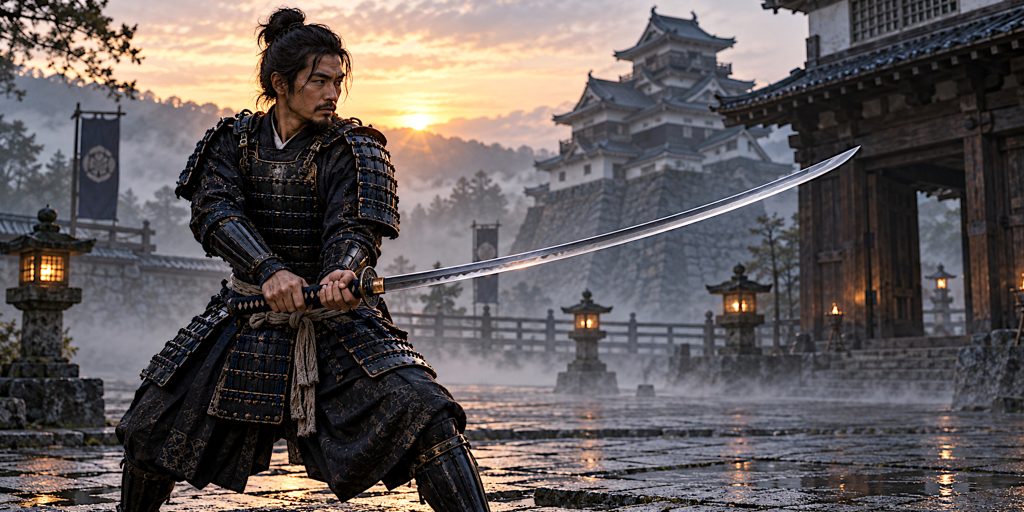
An ōdachi is the point at which Japanese sword design becomes difficult to overlook.
The term describes a great sword, while nodachi, often translated as “field sword”, overlaps with it in historical and modern usage. Treating the two as perfectly separated categories can create more certainty than the terminology supports.
These weapons could have blades exceeding 90 cm. One example in the Metropolitan Museum has a cutting edge of 117.2 cm and an overall length of 192.1 cm. That particular sword dates to the eighteenth century, a useful reminder that large surviving blades should not automatically be treated as medieval battlefield equipment.
The attraction is obvious: reach. The difficulties follow just as quickly. A longer sword requires more room, presents carrying problems and places different demands on its user.
Claims that all ōdachi were purpose-built horse killers or weapons for breaking formations need caution. Their function must be assessed through the individual blade, its date and its context. Large swords could also carry ceremonial or devotional significance.
Why it earns its place:
- Exceptional reach within the sword category.
- Impressive technical demands on makers and polishers.
- A striking connection between practical weapons and prestigious objects.
My verdict: The most spectacular option, with the largest practical qualifications. I admire the commitment. I would also like to see the doorway measurements.
Tantō: Small Blade, Serious Craftsmanship
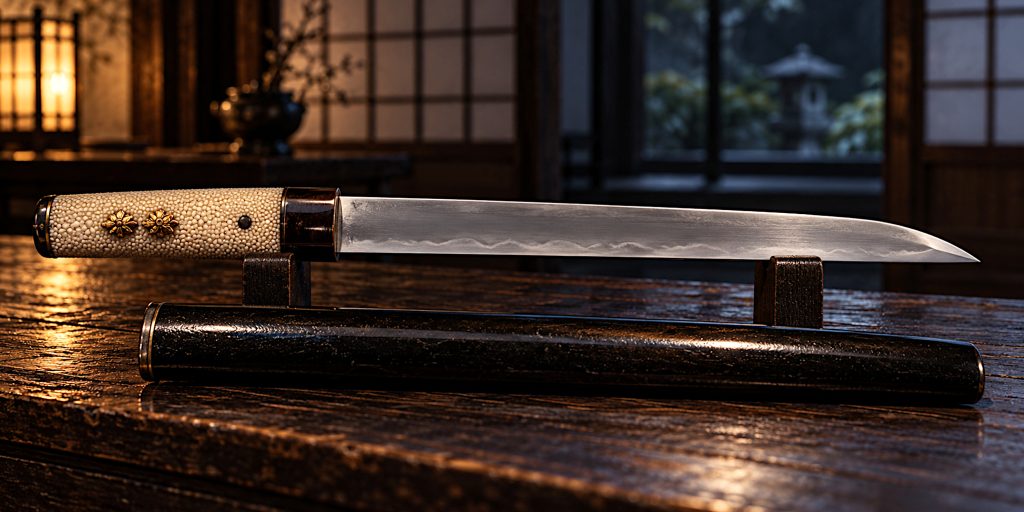
Strictly speaking, the tantō is a dagger or short blade rather than a full-sized sword. It belongs here because excluding it would remove an important part of Japanese blade making.
Usually under approximately 30 cm, it could serve as a close-range weapon and personal possession. Surviving examples also demonstrate that a small blade offered ample scope for sophisticated workmanship.
The Metropolitan Museum, for example, discusses a tantō attributed to Rai Kunitoshi and dated to around 1315–16. These objects sit within the same demanding artistic tradition as the celebrated long swords.
Why it earns its place:
- Compact size.
- Considerable variety in blade shape and mounting.
- Outstanding examples by major smiths.
Its limitations are equally clear. Very short reach makes it a different proposition from a katana or tachi. Reducing its history to assassination and ritual suicide, though, turns a varied object into a rather grim prop.
My verdict: The best reminder that craftsmanship is not measured in centimetres.
What Actually Made Japanese Swords Good?
The interesting answer is skilled control of materials.
Traditional swordsmithing involved selecting and refining steel, shaping the blade, managing its construction and carefully controlling heat treatment. Folding helped distribute carbon more evenly and reduce impurities in the starting material. It also produced the visible grain known as hada.
Differential hardening could create a hard cutting edge alongside a softer body. The hamon, revealed through polishing, records the boundary of the hardened edge region. It is not merely a decorative line painted onto the blade. Construction methods varied, so one familiar diagram cannot explain every Japanese sword. The Metropolitan Museum of Art
The finished weapon also depended on specialists beyond the smith, including polishers and makers of fittings and scabbards. The Pitt Rivers Museum makes this division of work explicit in its account of Japanese arms and armour.
I find that collective effort more impressive than the usual story about a blade being folded an implausible number of times. Real expertise is quite dramatic enough.
Famous Japanese Swordsmiths and Blades
Sword types tell one story. Individual makers and surviving masterpieces tell another.
| Name | Why it matters | Useful distinction |
|---|---|---|
| Yasutsuna | Associated with the celebrated Dōjigiri | The blade survives; its demon-slaying story is legendary |
| Masamune | A major name in the Japanese swordmaking tradition | Museum-held works provide firmer ground than sweeping claims about being “the greatest” |
| Muramasa | Famous for blades and later sinister associations | The name covers successive generations of smiths |
Tokyo National Museum catalogues works attributed to Masamune, including the National Treasure Kanze Masamune. Studying an identifiable surviving object is more useful than treating every famous name as a quality rating. tnm.jp
Muramasa’s reputation needs particular care. The British Museum identifies successive generations working under the name, while museum accounts explain how supposed curses and associations with Tokugawa misfortunes affected the blades’ reputations and even their signatures. These are important cultural stories, not evidence of supernatural behaviour. British Museum
How to Appreciate a Japanese Sword in a Museum
Start with the whole shape before concentrating on tiny details.
Look at the curvature, the relationship between blade length and width, and the size of the point. Then examine the surface grain and hamon where the lighting allows. These features help distinguish swords that can initially look frustratingly similar behind glass. Kyoto National Museum
Read the dates for the blade and mountings separately. They may be centuries apart. A sword can be an old blade wearing a much younger set of clothes, which is rather more interesting than a single date on a label suggests.
Useful collections and resources include Tokyo National Museum, the Japanese Sword Museum, the Metropolitan Museum of Art and the V&A. Check current exhibition listings before travelling to see a particular object.
Which Japanese Sword Is the Best?
For an introduction to Japanese swords, my choice is the katana. Its combination of proportions, portability and cultural influence makes it a sensible starting point.
For medieval history, I would choose the tachi. For compact practicality, the wakizashi deserves its due. The ōdachi offers extraordinary reach and presence, while the tantō proves how much skill can fit into a small blade.
The more closely I look at Japanese swords, the less useful a single winner becomes. The rewarding questions concern the individual object: who made it, what it was intended to do, how it changed and why someone thought it worth preserving.
A famous silhouette gets your attention. Those details give you a reason to keep looking.