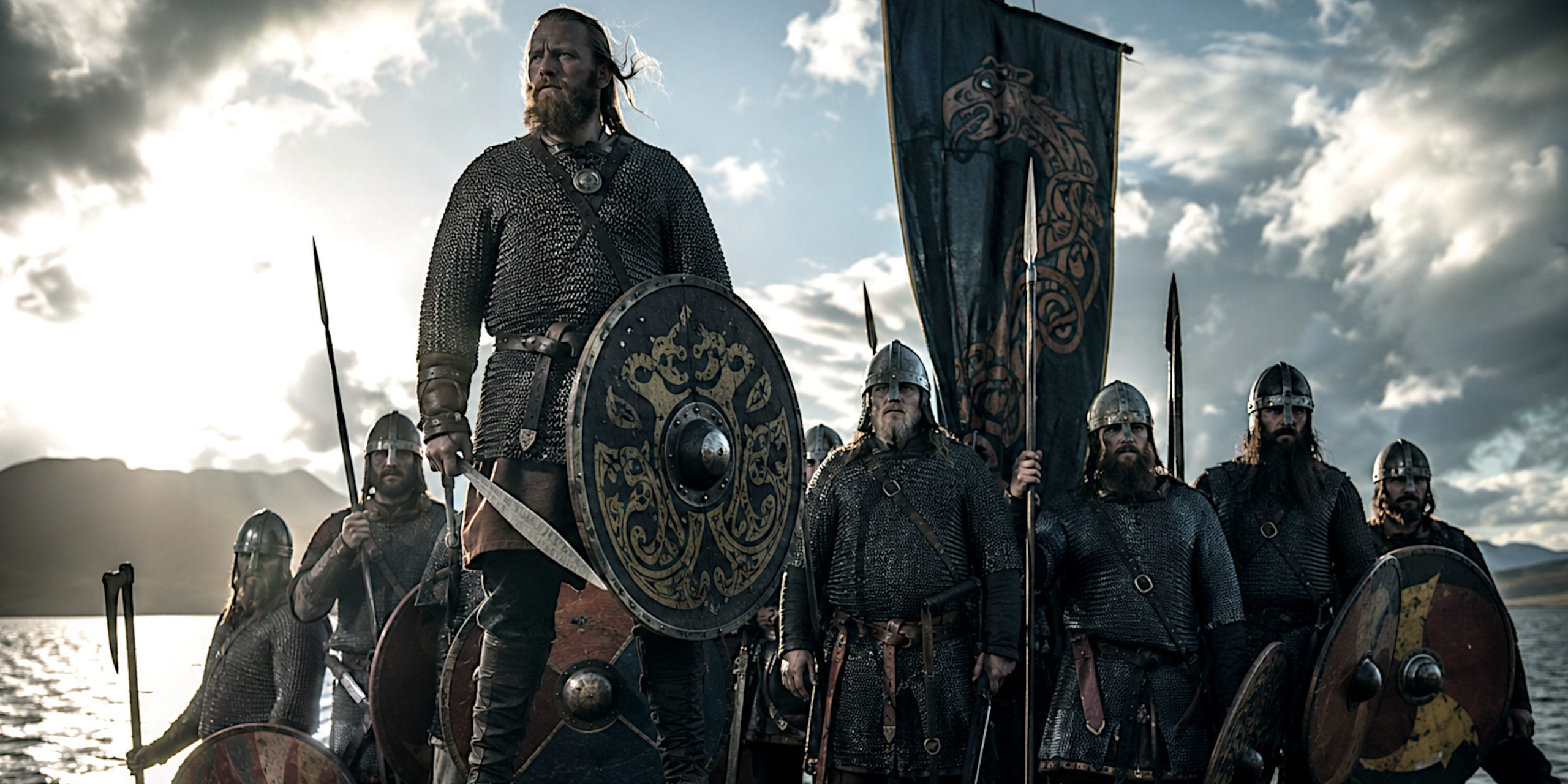
The Viking Age has given us many enduring images. Longships slicing through grey seas. Axes flashing beneath dark skies. Warriors charging into battle with more confidence than common sense. Yet behind these dramatic scenes stood a military institution that shaped Scandinavian society for centuries.
The hird was not simply a group of bodyguards. It was an elite military household whose members combined the roles of professional soldiers, advisers, administrators and companions to powerful rulers. Kings, jarls and influential chieftains relied upon their hird to maintain authority both at home and abroad.
Unlike the temporary levies raised during war, members of a hird were permanent retainers. Their loyalty was personal rather than national, which suited an age where kingdoms were often little more than ambitious families trying to convince everyone else that they deserved to rule.
The institution developed throughout the Viking Age and continued into medieval Scandinavia, eventually becoming increasingly formalised under monarchs such as Håkon Håkonsson of Norway.
What Was a Viking Hird?
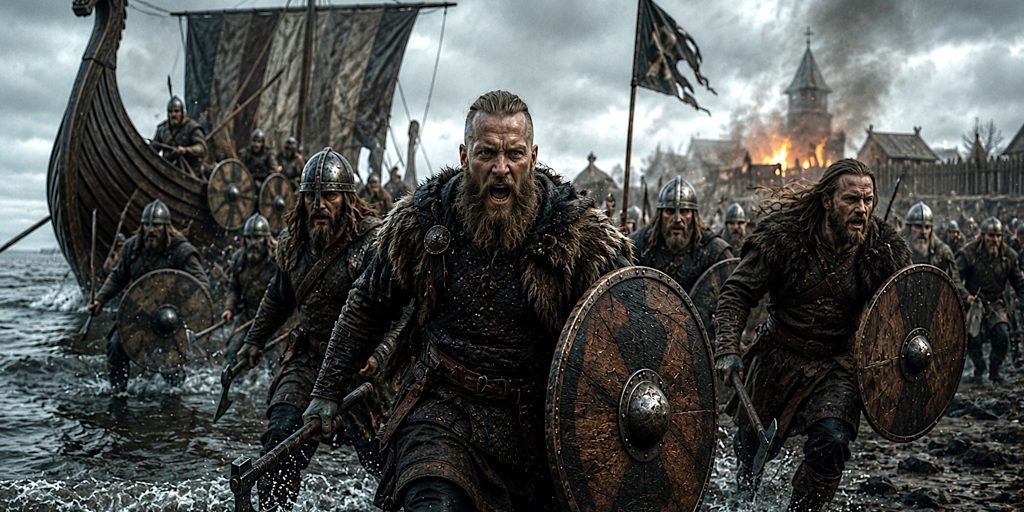
The Old Norse word hirð referred to the household or armed retinue surrounding a ruler. Similar institutions existed across medieval Europe, although the Scandinavian version retained distinctive characteristics rooted in Germanic warrior culture.
A hird served several purposes:
- Protected the ruler
- Fought as elite troops
- Enforced royal authority
- Collected tribute and taxes
- Acted as administrators and diplomats
- Formed the political inner circle of the king
Membership carried considerable prestige. Being accepted into a king’s hird meant joining one of the most respected military organisations in northern Europe.
Unlike ordinary freemen who served periodically through the leiðangr naval levy, members of the hird were effectively professional warriors.
Origins of the Hird
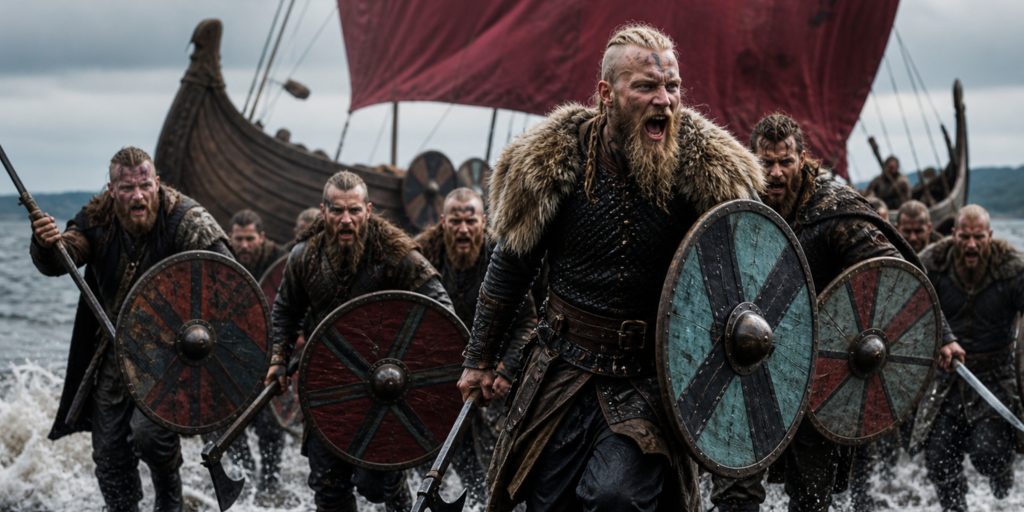
The roots of the hird reach back long before the Viking Age.
Germanic societies prized the relationship between a war leader and his personal followers. The Roman historian Tacitus described this arrangement in the first century AD when writing about northern European tribes.
He observed:
“It is disgraceful for the chief to be surpassed in valour, and disgraceful for the companions not to equal the valour of their chief.”
Although Tacitus described earlier Germanic peoples rather than Vikings, the principle remained remarkably consistent centuries later.
The relationship rested upon mutual obligations.
The lord provided:
- Food
- Shelter
- Weapons
- Treasure
- Opportunities for glory
The warrior repaid these gifts with unwavering loyalty, military service and, when necessary, his life.
This reciprocal bond became one of the defining features of Viking political culture.
Organisation of the Hird
The exact structure varied between kingdoms, but most hirds followed similar principles.
At the top stood the king or jarl.
Below him were experienced officers who supervised discipline and organisation.
The remainder consisted of carefully selected professional warriors, often recruited from noble families or proven veterans.
Larger royal hirds could number several hundred men.
Smaller chieftains might maintain only twenty or thirty retainers.
Membership was not automatic. Prospective warriors often needed recommendations, proven combat experience and a reputation for honour.
A reckless fool with a sharp axe was far less valuable than a disciplined veteran who could follow orders.
Daily Life Within the Hird
Life inside a hird involved far more than fighting.
Members trained regularly with weapons, maintained equipment, accompanied rulers on journeys and attended feasts where political alliances were negotiated.
Royal courts became centres of military planning, legal discussion and diplomacy.
During peacetime, warriors guarded important locations, enforced judgments and represented royal authority throughout the kingdom.
Hospitality also mattered.
Sharing food and drink reinforced loyalty. Lavish feasts demonstrated a ruler’s generosity while reminding everyone precisely who controlled the silver.
The beer may have flowed freely, but hierarchy remained very clear.
Loyalty Above All
Loyalty formed the foundation of every successful hird.
Old Norse literature repeatedly praises warriors who remained faithful despite overwhelming odds.
The ideal hirdman fought beside his lord until victory or death.
Cowardice damaged not only personal honour but the reputation of the entire household.
This loyalty was reinforced through gifts.
Kings rewarded distinguished service with:
- Silver
- Gold arm rings
- Weapons
- Fine clothing
- Ships
- Land
Gift giving strengthened social bonds while ensuring ambitious warriors had compelling reasons to remain loyal.
Arms and Armour
Professional status meant hirdmen generally possessed better equipment than ordinary warriors.
Archaeological discoveries and literary sources suggest they often owned some of the finest weapons available in Scandinavia.
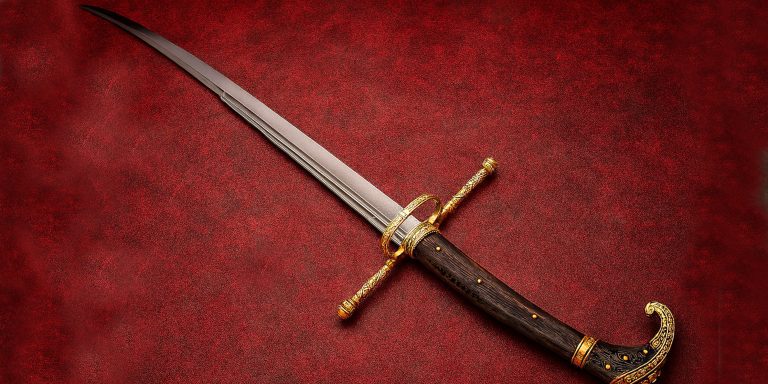
Swords
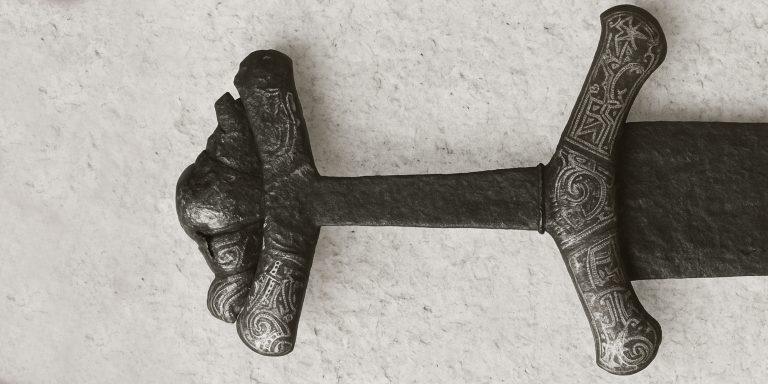
Elite warriors commonly carried expensive swords, many imported or forged using sophisticated techniques.
Notable sword types include:
The most prestigious sword of the Viking Age.
These broad, double edged weapons were produced throughout the Frankish world before becoming highly prized across Scandinavia. Many featured elaborate pattern welded blades and richly decorated hilts.
Examples bearing the famous Ulfberht inscription remain among the finest medieval swords ever produced.
One of the most common Viking sword forms.
These swords featured broad guards with three lobed pommels and remained popular throughout the tenth century.
Elegant swords with curved guards and refined proportions.
Many richly decorated examples have been recovered from elite burials.
Although declining during the later Viking Age, pattern welded blades remained symbols of exceptional craftsmanship.
Their flowing patterns combined strength with remarkable visual appeal.
Spears
Many elite warriors preferred spears for battlefield effectiveness.
Decorated spearheads with silver inlay and elaborate socket designs appear in several high status graves.
Axes
The Danish axe emerged during the later Viking Age.
Its long shaft and broad blade made it devastating against infantry formations.
Members of elite royal households frequently carried these formidable weapons.
Shields
Round wooden shields remained standard.
Elite examples featured painted designs, iron bosses and reinforced rims.
Armour
Equipment could include:
- Riveted mail shirts
- Iron helmets
- Lamellar armour in some eastern regions
- Thick woollen tunics
- Leather belts supporting sword and seax
True mail represented enormous wealth.
Only prosperous warriors could afford thousands of individually riveted iron rings.
Helmets
Contrary to enduring mythology, Viking helmets lacked horns.
Elite warriors wore practical iron helmets, often with spectacle guards protecting the eyes and nose.
The famous Gjermundbu helmet provides the clearest surviving example.
Battlefield Role
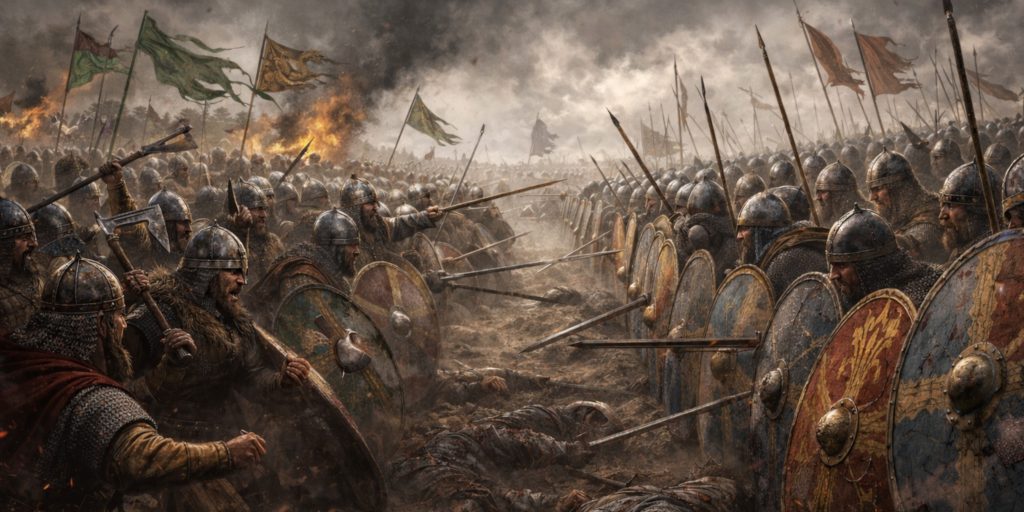
The hird usually occupied the strongest position within an army.
They often formed around the ruler, creating a disciplined core that steadied larger forces.
In shield wall combat they provided:
- Experienced leadership
- Tactical cohesion
- High morale
- Reliable discipline
When kings launched offensive campaigns abroad, the hird formed the backbone of the expedition.
Whether raiding monasteries, besieging towns or fighting rival Scandinavian rulers, these seasoned warriors offered consistent military effectiveness.
Hirdmen at Sea
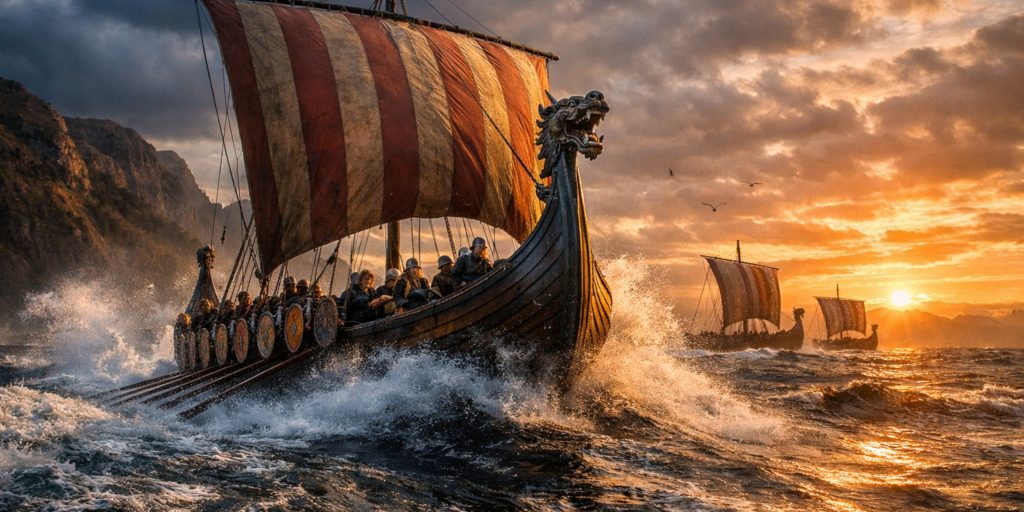
Elite warriors naturally served aboard longships.
The finest vessels often belonged directly to kings or jarls.
During overseas campaigns, hirdmen acted as:
- Ship commanders
- Marines
- Navigators
- Personal guards
Many famous Viking expeditions relied upon experienced household warriors rather than inexperienced levies.
Long voyages demanded discipline every bit as much as battle.
Keeping dozens of armed men together aboard a cramped ship for weeks probably required remarkable leadership and an impressive supply of patience.
Law, Honour and Discipline
Membership required adherence to strict behavioural expectations.
Cowardice, theft from companions or betrayal could lead to expulsion.
Later Norwegian law codes describe increasingly formal admission ceremonies and regulations governing conduct.
Although these texts belong to the medieval period, they reflect traditions established during the late Viking Age.
Discipline distinguished professional warriors from temporary militia forces.
Archaeology
Archaeology has transformed our understanding of elite Viking warriors.
Rather than relying solely upon saga literature, excavations provide tangible evidence for the wealth and status of hirdmen.
Gjermundbu, Norway
The Gjermundbu burial produced the only substantially complete Viking helmet ever discovered.
The grave also contained:
- Mail fragments
- Sword
- Spear
- Axe
- Shield equipment
- Riding gear
The richness of the burial strongly suggests an elite warrior, perhaps a member of a royal household.
Gokstad Ship Burial
The Gokstad ship demonstrates the extraordinary resources available to powerful Scandinavian rulers.
Weapons recovered include swords, shields, spears and arrows, illustrating the equipment expected within elite retinues.
Birka, Sweden
The cemetery at Birka contains numerous richly furnished warrior graves.
Many include imported weapons, horses, gaming pieces and luxury goods, highlighting the international connections enjoyed by elite Scandinavian warriors.
Ulfberht Swords
More than 170 Ulfberht blades have been identified across Europe.
Their widespread distribution reflects extensive trade networks and the immense prestige attached to these remarkable swords.
Contemporary Sources
Several medieval writers describe Scandinavian warrior households.
The skaldic poet Sigvatr Þórðarson praised the loyalty surrounding Norwegian kings.
Snorri Sturluson later described royal hirðmenn in Heimskringla, writing:
“The king had many brave men in his hird.”
The twelfth century Norwegian text Hirðskrá provides detailed regulations governing the royal household.
Although written after the Viking Age, it preserves traditions stretching back into earlier centuries.
One of its central themes declares:
“Every man shall keep faith with his lord.”
The Anglo Saxon Chronicle also records the effectiveness of Scandinavian royal armies, whose disciplined cores almost certainly consisted of professional household warriors.
How the Hird Compared With Other Elite Warriors
| Group | Region | Main Role |
|---|---|---|
| Viking Hird | Scandinavia | Royal household warriors and administrators |
| Anglo Saxon Housecarls | England | Professional royal infantry |
| Varangian Guard | Byzantine Empire | Imperial bodyguards, many recruited from Scandinavia |
| Frankish Antrustions | Carolingian Empire | Royal retainers and companions |
Each institution reflected similar ideals of loyalty, military service and personal bonds with rulers.
Decline of the Viking Hird
As Scandinavian kingdoms became more centralised during the eleventh and twelfth centuries, the hird gradually evolved.
Kings increasingly relied upon taxation, written administration and permanent institutions rather than purely personal relationships.
The hird survived, but its military role shifted.
By the High Middle Ages many members served as royal officials, administrators and noble courtiers alongside their military responsibilities.
The institution had adapted to a changing world where paperwork occasionally proved almost as powerful as sharp swords.
Almost.
Legacy
The Viking hird helped transform Scandinavia from fragmented chiefdoms into organised kingdoms.
These professional warriors offered rulers something priceless in an unpredictable age.
Reliability.
Their influence extended beyond the battlefield into politics, diplomacy and royal government. Many traditions later adopted by medieval Scandinavian monarchies originated within these elite households.
Modern portrayals of Vikings often focus upon raiders charging ashore in search of plunder. The hird reminds us that successful Viking rulers depended just as much upon disciplined professionals capable of governing kingdoms as winning battles.
The image may be less dramatic than a berserker roaring across a battlefield, but history generally favours those who can organise supplies, maintain loyalty and remember where they left the tax records.
Frequently Asked Questions
What was a Viking hird?
A hird was the professional household retinue of a Scandinavian king or jarl. Its members served as elite warriors, bodyguards, advisers and administrators.
Were hirdmen full time soldiers?
Yes. Unlike temporary levies, hirdmen served their lord throughout the year and received rewards, gifts or land in return.
What weapons did Viking hirdmen use?
Elite warriors commonly carried Carolingian swords, Petersen Type H and Type S swords, spears, Danish axes, round shields, mail armour and iron helmets.
How large was a Viking hird?
Numbers varied greatly. Minor chieftains might have only a few dozen retainers, while powerful kings could maintain several hundred professional warriors.
Did the hird become the Housecarls?
Not directly, although the Anglo Saxon housecarls and Scandinavian hird shared similar traditions. Both developed from Germanic warrior retinue culture and emphasised professional military service and personal loyalty.