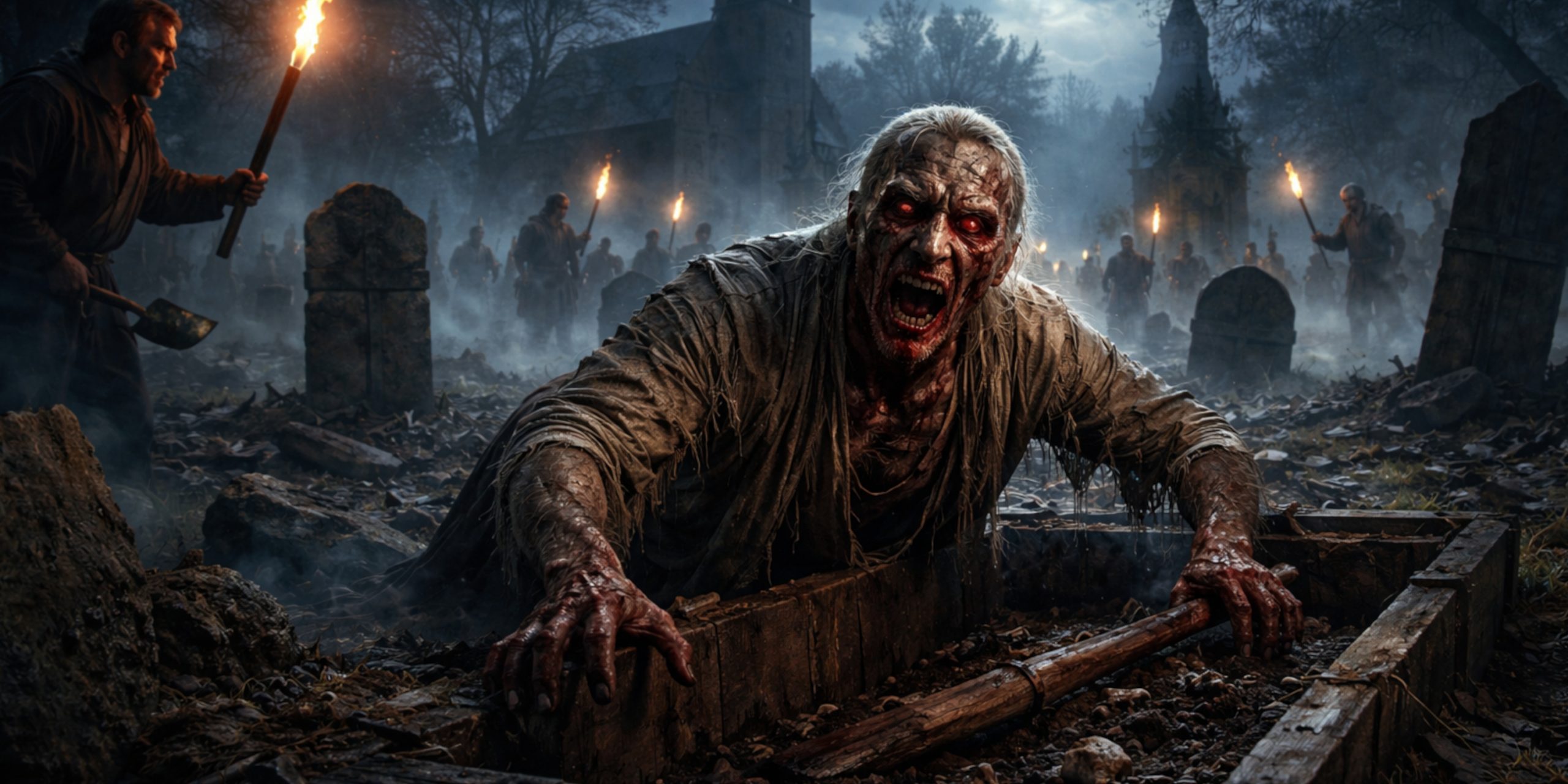
When people hear “vampire,” they tend to picture velvet capes, immaculate cheekbones, and a dramatic sensitivity to sunlight. Medieval Europeans imagined something rather different. Their vampires were bloated, foul-smelling, and far more likely to lurk in a churchyard than a candlelit castle. As a medieval historian, I can confirm that glamour arrived late to the undead party.
This article looks at what medieval people genuinely believed about vampires, where those beliefs came from, and why the living spent so much time worrying about the dietary habits of the recently deceased.
What a Medieval Vampire Actually Was
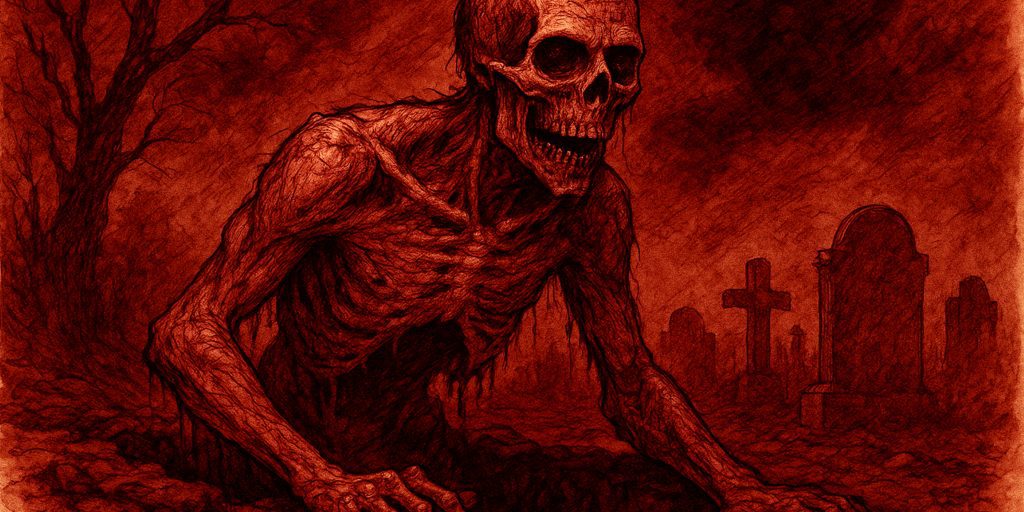
In the Middle Ages, the word “vampire” rarely appeared in western Europe. Instead, people spoke of revenants, draugr, nachzehrer, or restless corpses that refused to stay politely dead. These beings were not seductive predators but physical threats. They were blamed for illness, livestock deaths, and the awkward misfortune of an entire village feeling a bit cursed.
A medieval vampire was usually a corpse that looked disturbingly healthy. Swollen limbs, fresh blood around the mouth, and flexible joints caused real alarm. Modern medicine explains these signs as natural stages of decomposition. Medieval villagers reached a different conclusion and sharpened their shovels.
Where These Beliefs Took Root
Eastern Europe produced the richest vampire traditions, particularly in the Balkans, where Slavic folklore mixed with Orthodox Christianity and older pagan ideas about the dead. Here, the vampire was a community problem, not a personal one. If your neighbour’s cow dropped dead, the blame might land on the man buried last winter who had a questionable reputation and an unfortunate birthmark.
Western Europe had its own versions. England recorded tales of walking corpses in places like Yorkshire and Buckinghamshire. Germany feared the nachzehrer, a corpse that chewed its burial shroud and slowly drained the life from relatives above ground. Scandinavia offered draugr, who were less subtle and more inclined to physical violence. Geography varied, the anxiety remained familiar.
Who Was Most Likely to Become a Vampire
Medieval logic had rules, and vampire selection followed them with grim consistency. Social outsiders were prime candidates. Criminals, suicides, excommunicated individuals, and those who died suddenly all raised eyebrows from beyond the grave.
Birth was suspicious too. Being born with teeth, a caul, or unusual hair was enough to mark someone as a future problem. Midwives probably slept very poorly.
How Medieval People Fought Vampires
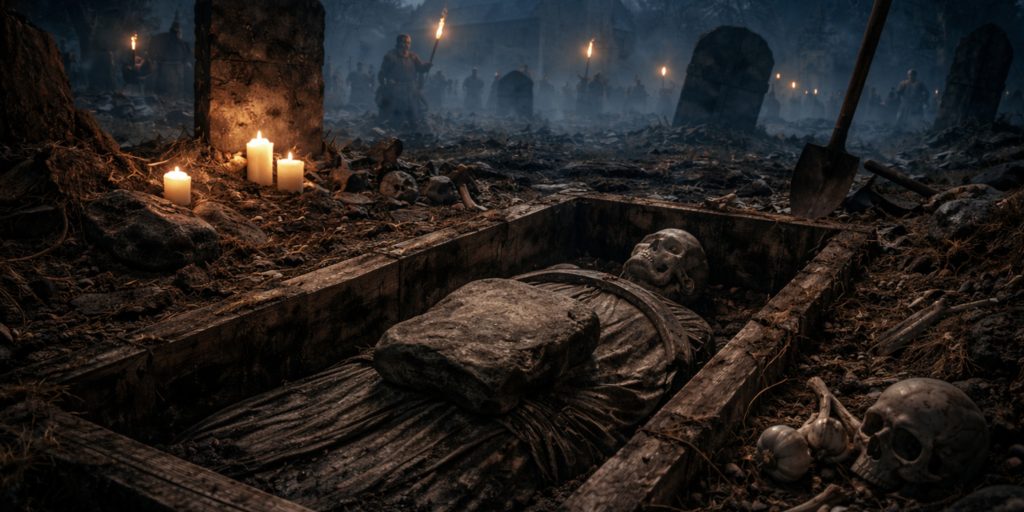
Prevention mattered more than heroics. Corpses were buried face-down, pinned with stones, or weighed down with iron objects. Sometimes sickles were placed across the neck, ready to do the work should the body attempt a sit-up.
If prevention failed, escalation followed. Graves were reopened. Bodies were staked, decapitated, burned, or all three, depending on local enthusiasm. This was not hysteria so much as practical theology. A walking corpse threatened the living and offended God. Solutions were direct.
The Church’s Uneasy Relationship with the Undead
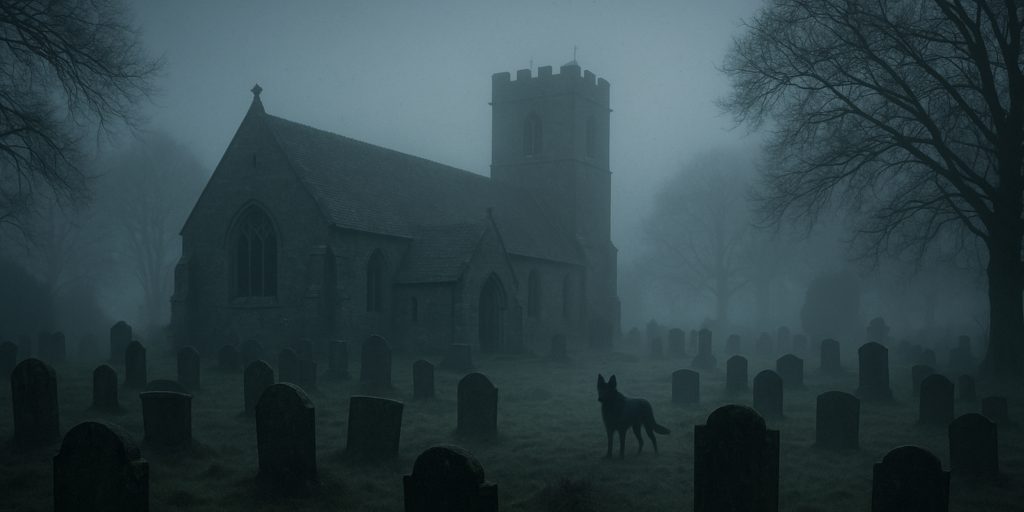
The medieval Church never officially endorsed vampires, but it also never fully dismissed them. Clerics often participated in exorcisms of suspected revenants. Prayers, holy water, and consecrated ground were believed to restrain restless dead, though reports suggest this was not always reliable.
Texts like Malleus Maleficarum focused more on witches than vampires, but the worldview overlapped. The dead could be manipulated by demons. God permitted it, apparently, as a moral lesson for everyone else.
Disease, Death, and a Lack of Germ Theory
Many vampire outbreaks coincided with plague, tuberculosis, or unexplained wasting illnesses. When multiple family members died in sequence, medieval communities looked for agency, not bacteria.
Exhumed corpses often appeared “alive” due to gas buildup and blood pooling. To medieval eyes, this was proof, not coincidence. From a modern perspective, it is a reminder that fear plus limited science produces creative explanations and very decisive burial practices.
From Medieval Monster to Modern Icon
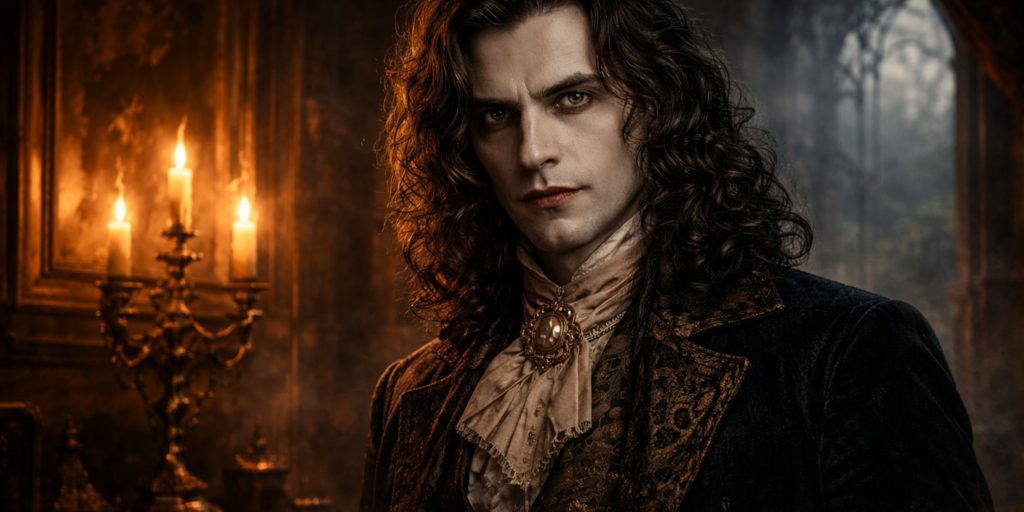
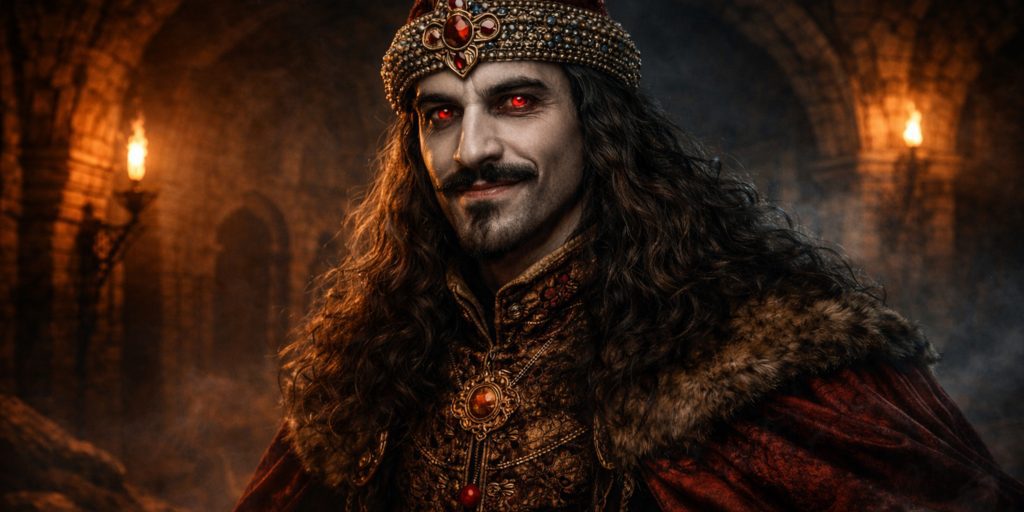
The elegant vampire is a late invention. Medieval lore provided the bones, sometimes literally, but later centuries added polish. Eighteenth-century eastern European panic carried the term “vampire” westward. Victorian writers then gave it manners, psychology, and a love of necklines.
By the time we reach Dracula, the medieval corpse has been scrubbed, tailored, and given a tragic backstory. The original villagers might not recognise him, though they would still advise a sturdy stake, just in case.
Why Medieval Vampire Lore gives us a fascinating insight
These stories tell us how medieval people understood death, community, and responsibility. Vampires were not escapism. They were explanations for grief, disease, and social tension in a world without microscopes or modern medicine.
They also remind us that fear is historical. Every era dresses it differently. The Middle Ages simply preferred theirs damp, heavy, and inconveniently undead.