Oldest, newest, biggest, smallest, toughest, strangest
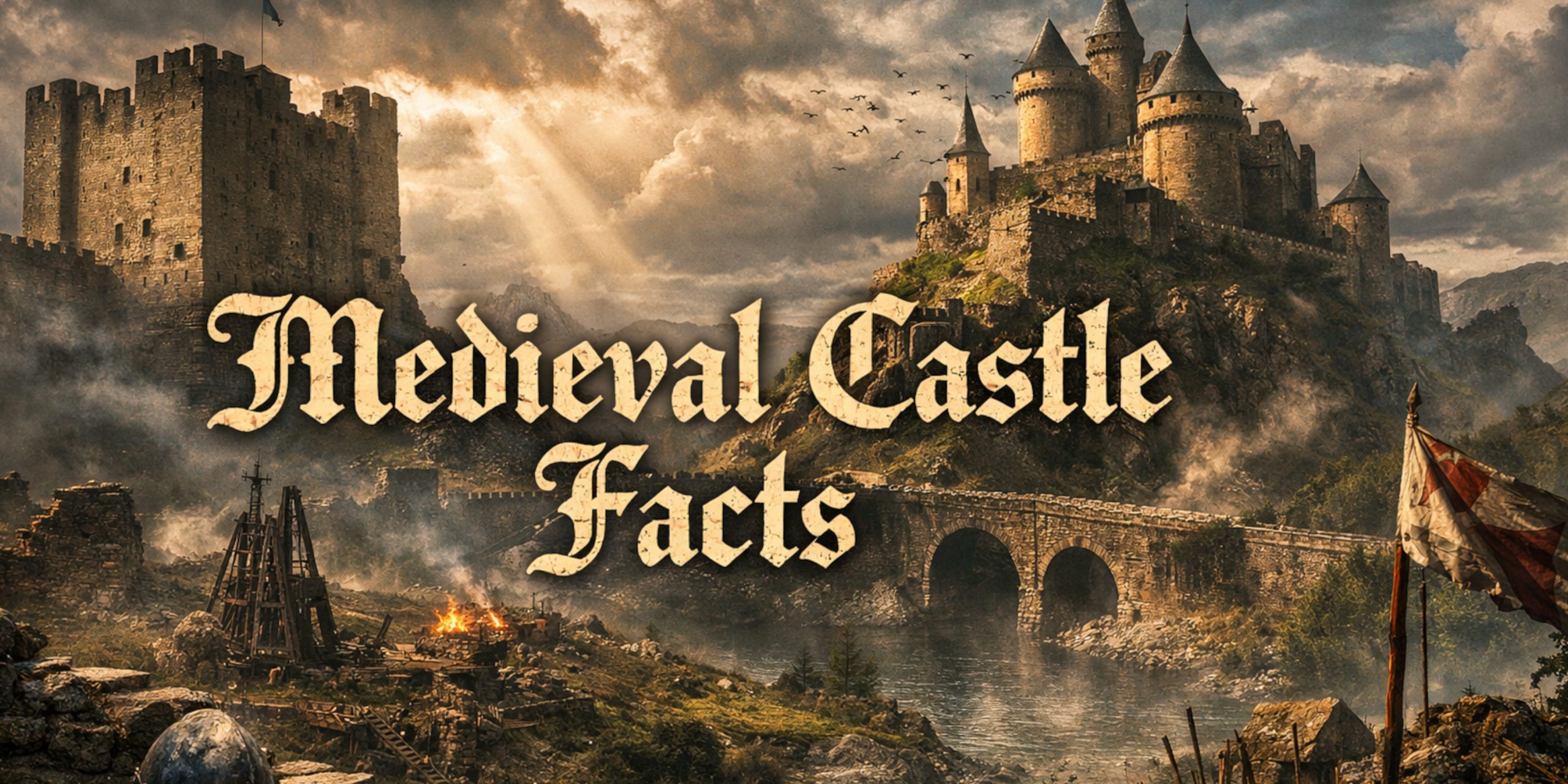
Medieval castles were never static monuments. They were living structures that changed as threats changed, as owners rose or fell, and as builders learned the hard way what actually worked under fire. Some castles were built to last forever. Others barely survived their first serious siege. A few seem to have been punished simply for existing in the wrong place.
This is not a list of trivia, but a way of understanding how medieval power expressed itself in stone.
The Oldest Surviving Castles and Fortress Sites
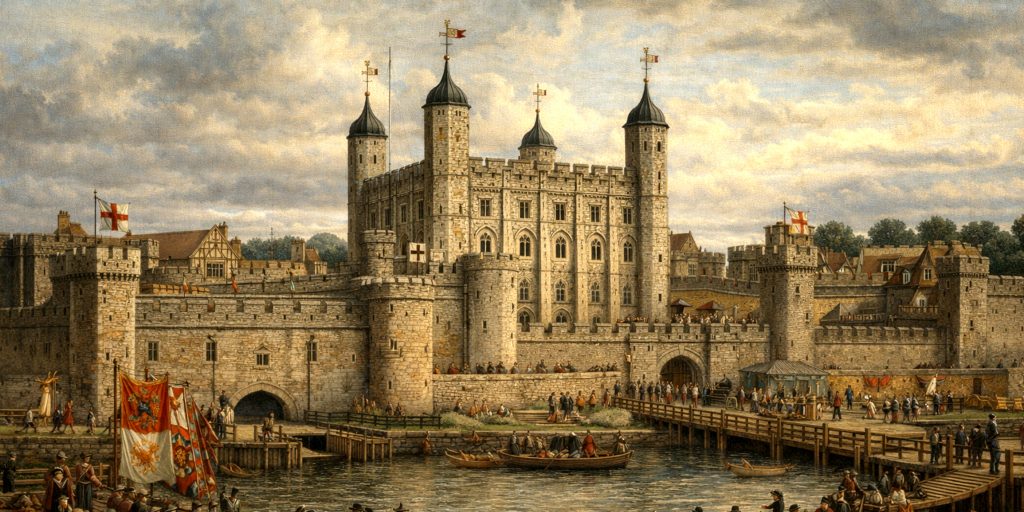
Age is slippery when it comes to castles. What matters is not the first stone laid, but continuous defensive use.
The Citadel of Aleppo stands on a site fortified for over four thousand years. While the standing fabric is largely medieval Islamic, the hill itself never stopped being militarised. It reminds us that the medieval castle inherited far older traditions of defence.
In Britain, Windsor Castle remains the oldest continuously occupied royal castle in the world. Founded soon after 1066, it has survived civil war, rebellion, and fashion. Each era added something, often without removing what came before.
The Tower of London began as a blunt Norman assertion of control. The White Tower still does what it was designed to do, which is make visitors feel small and watched.
The Newest Medieval Castles and the End of the Castle Age
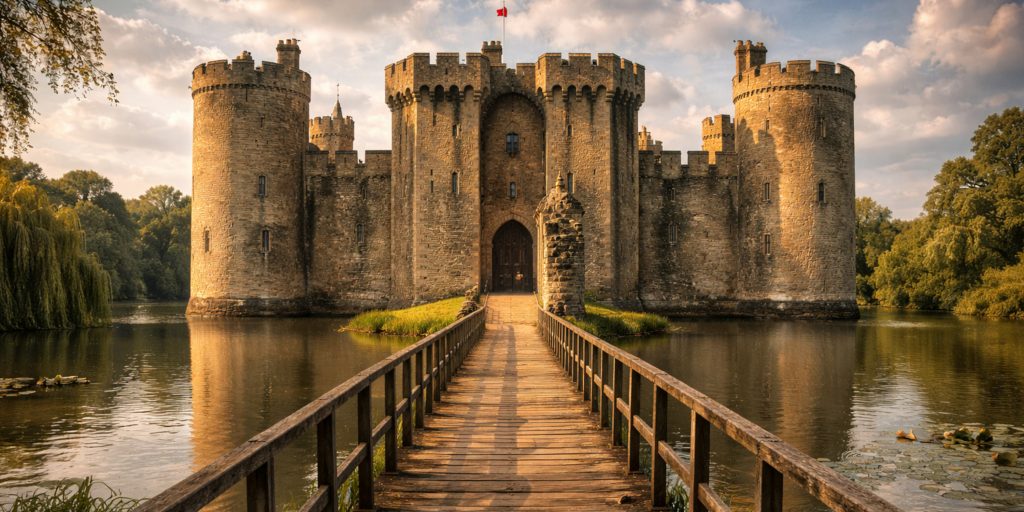
By the late Middle Ages, castles were already becoming obsolete, though nobody wanted to admit it.
Bodiam Castle from the 1380s is often accused of being a decorative folly. Archaeology disagrees. Its defences made sense for its time, even if comfort and appearance mattered more than earlier generations would have approved.
Elsewhere, castles like Bellver Castle show increasing symmetry and planning. They look confident, even serene. Gunpowder would soon make that confidence questionable.
These castles sit at an awkward moment when prestige still demanded battlements, but cannon were already sharpening their teeth.
The Biggest Castles by Area and Complexity
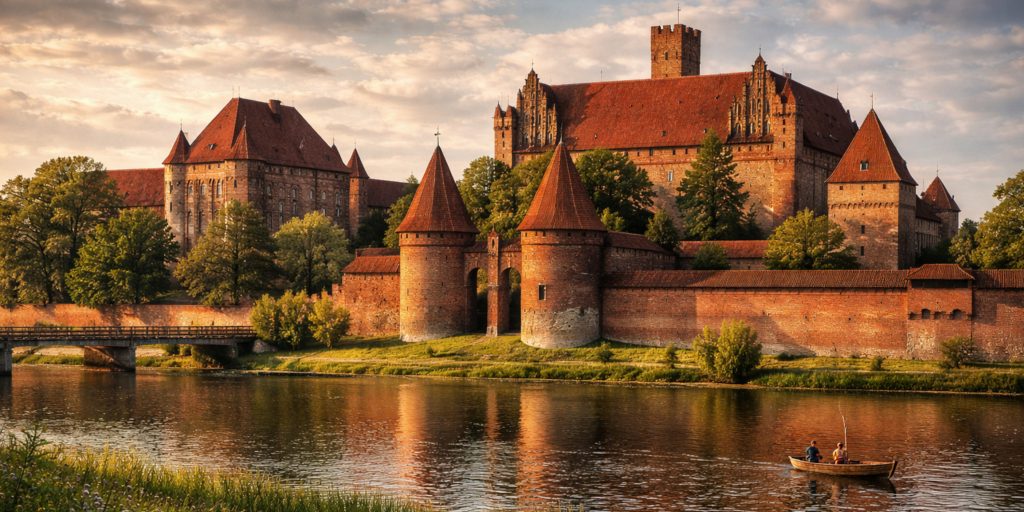
Size was about logistics as much as defence.
Malbork Castle is the largest castle complex in the world by land area. It functioned as a fortress, capital, armoury, and industrial hub. Breweries, workshops, and granaries were as important as towers.
Prague Castle grew over centuries, absorbing palaces, chapels, and administrative buildings. It shows what happens when a castle becomes the heart of a state rather than just its shield.
The Smallest and Most Minimal Castles
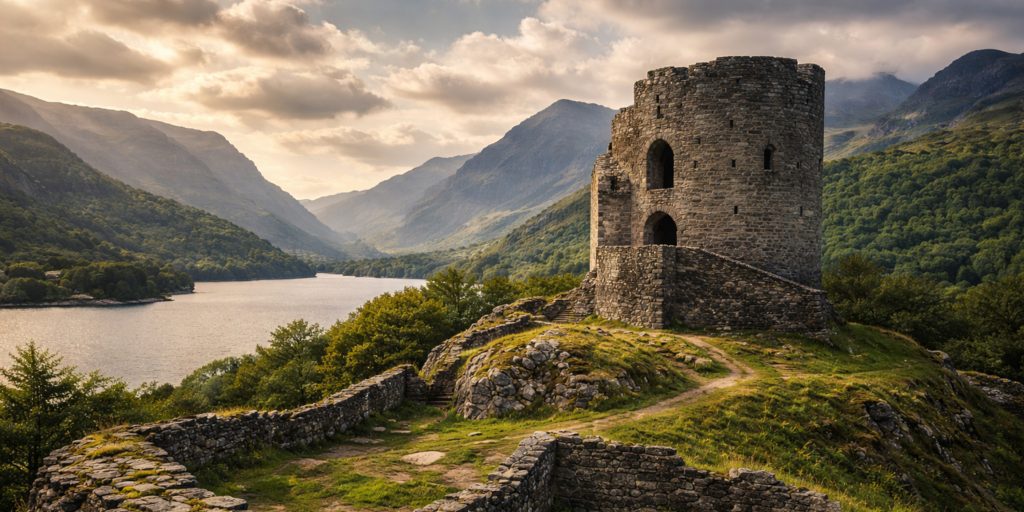
Not every castle was meant to dominate a region.
Dolbadarn Castle consists mainly of a single tower controlling a mountain pass. It was not designed to resist a major army, because it never needed to.
Across Scotland and northern England, tower houses and peel towers offered rapid refuge from raids. They were defensive tools for unstable borders, not symbols of royal authority.
Small castles reveal a truth that large ones hide. Most medieval conflict was local, sudden, and personal.
The Tallest Keeps and Vertical Intimidation
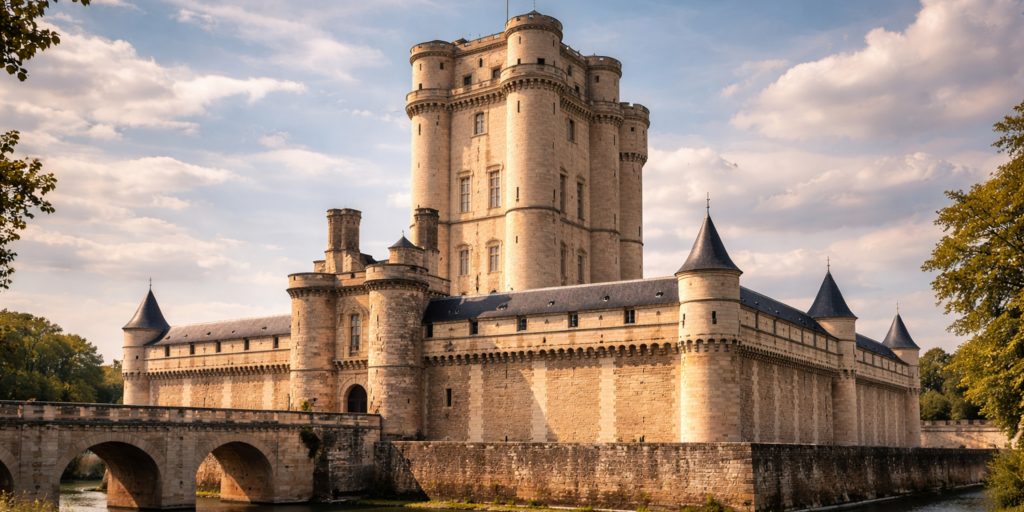
Height mattered because visibility mattered.
The keep at Rochester Castle rises above the Medway like a warning. It was designed to be seen long before it was attacked.
Château de Vincennes took height to extremes, reflecting late medieval anxiety about rebellion and siege warfare.
The now destroyed keep of Coucy would have dwarfed both. Medieval lords built tall because they could, and because fear travels further than arrows.
The Thickest Walls and Siege Resistance
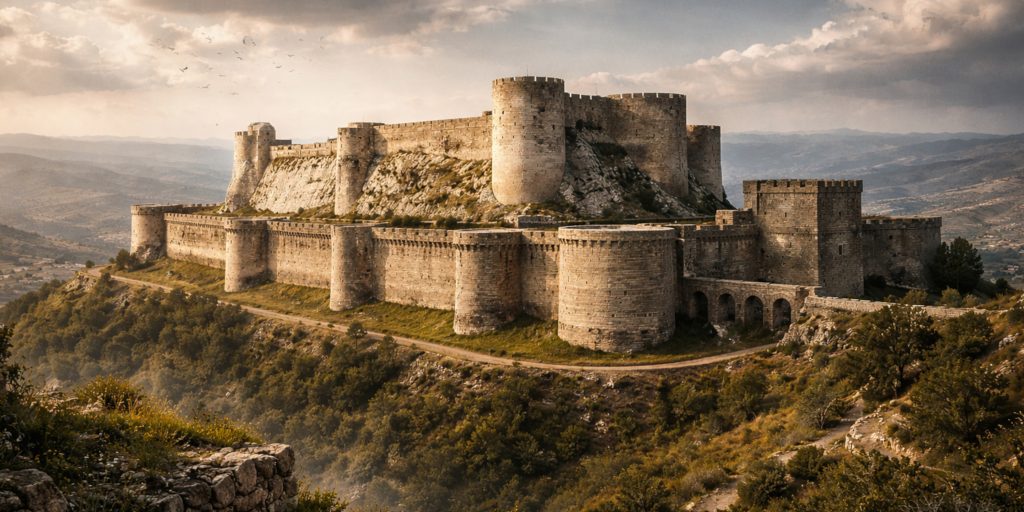
Wall thickness is where theory meets impact.
Krak des Chevaliers features walls up to nine metres thick. Built to absorb sustained assault, it represents the high point of medieval fortification design.
Caerphilly Castle combined thick walls with water defences, turning Edward I’s ambition into stone.
The Theodosian Walls of Constantinople, while technically urban fortifications, remain unmatched. They held for a thousand years, which is a record few castles can even argue with.
The Most Besieged Castles
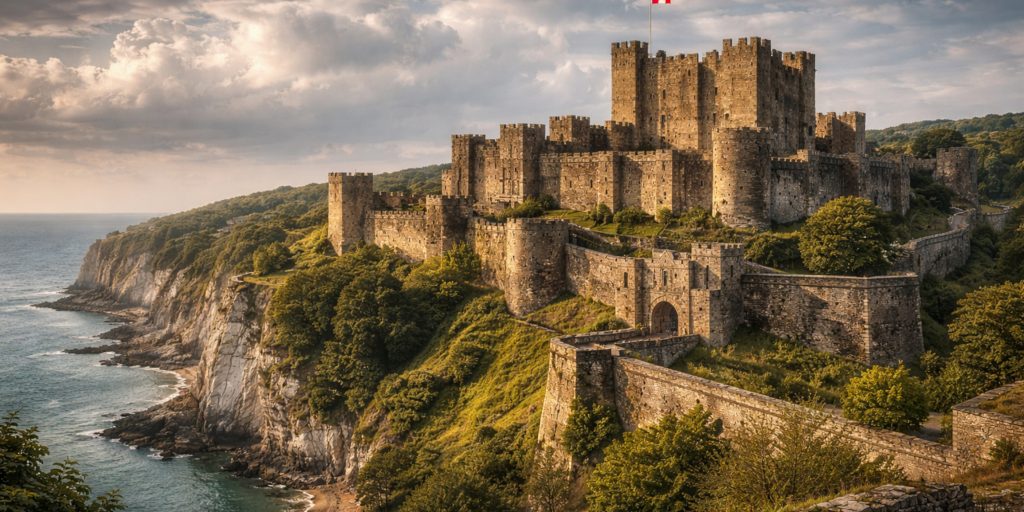
Some castles were simply too important to ignore.
Dover Castle was besieged repeatedly across medieval and early modern history. Its position guarding the Channel made conflict inevitable.
Château Gaillard faced a famous siege within a decade of completion. Richard the Lionheart built it quickly. Philip II dismantled it carefully.
Carcassonne changed hands several times during religious wars, proving that walls alone cannot solve political problems.
Longest Sieges and Endurance
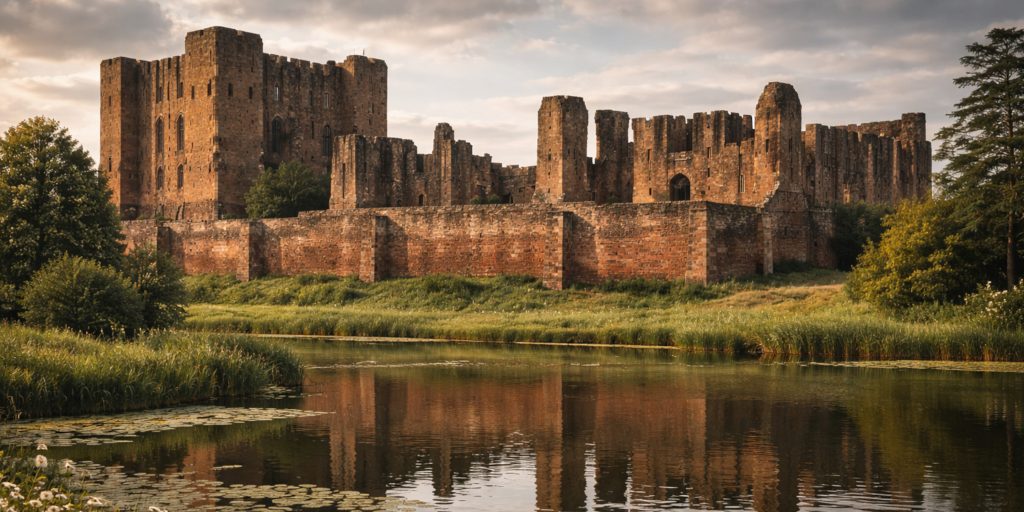
The siege of Kenilworth Castle in 1266 lasted months and ended through negotiation rather than storming. Disease and supply shortages proved more effective than assault.
The siege of Candia lasted over twenty years. It stretches the medieval definition, but it shows what happens when fortifications trap entire populations in prolonged warfare.
Sieges were slow, unpleasant, and often ended with paperwork rather than bloodshed.
Strange and Unexpected Castle Facts
Many castles reused Roman stone, sometimes including inscriptions that medieval builders could not read.
Garderobes were occasionally built to empty directly into moats. This worked until summer.
Medieval graffiti survives in many castles. Names, ships, prayers, and rude drawings scratched by bored soldiers or prisoners.
Some castles were never besieged at all, despite impressive defences. The threat was often enough.
Archaeology and What the Ground Reveals
Excavation has stripped away romance and replaced it with routine.
Archaeology at sites like Bodiam Castle reveals workshops, drainage systems, and extensive waste management. Castles were working environments.
Crossbow bolts embedded in masonry, scorched layers from fires, and hurried repairs all show how often castles were tested.
The ground tells us castles were rarely finished, often repaired, and never perfect.
Contemporary Medieval Voices
Richard of Devizes described castles as “keys of the kingdom,” capturing both their strategic and symbolic value.
William of Poitiers noted that castles inspired fear simply by standing, long before fighting began.
A Burgundian chronicler remarked that a castle without supplies was “only a tall prison,” which remains painfully accurate.
Takeaway
Castle extremes tell us how medieval societies thought about power.
Thickness reflects fear of siege engines. Size reflects administration. Height reflects authority. Repeated sieges reveal political instability rather than architectural failure.
The most interesting castles are not the pristine ones, but the repaired and reworked survivors. They were never meant to be pretty. They were meant to endure, and sometimes they barely managed that.