Laurens de Graaf has a habit of pulling the reader straight into warm, treacherous waters where loyalties shifted as fast as the trade winds. He was not a storybook pirate. He was sharper, more unsettling, and far more successful than most of the men who shared his profession.
Origins and early life
Laurens de Graaf was probably born in the Dutch Republic around the middle of the seventeenth century, though certainty dissolves quickly once he leaves Europe. Some accounts suggest he served in the Dutch navy. Others hint at early contact with the Spanish as a captive or forced sailor, a detail that would explain his fluent Spanish and deep understanding of Iberian naval habits.
What can be said with confidence is that by the 1670s he was operating in the Caribbean as a buccaneer, one of those inconvenient figures who lived between legality and outright piracy. The Spanish called him El Griffe or sometimes El Griego, labels that suggest both respect and irritation. Neither sounds affectionate.
The world he sailed in
The Caribbean of de Graaf’s time was not a romantic playground. It was a violent commercial zone where empires argued with cannon rather than paperwork. Spain still claimed dominance, France and England were eager to dispute it, and the Dutch were never far from the profits.
Buccaneers like de Graaf thrived because European powers needed deniable violence. He could sack a port one year and receive a commission the next, all without changing his methods. The moral flexibility required was considerable, though hardly unusual.
Ships under his command
De Graaf commanded several vessels during his career, often captured Spanish ships refitted for speed and firepower. His fleets were usually small but coordinated, favouring surprise and timing over brute force.
Accounts describe him leading squadrons rather than lone ships, a sign of organisational skill. This was not a man waving a cutlass on deck for morale. He planned his attacks, delegated authority, and expected discipline. Buccaneering was his profession, not a casual calling.
Weapons and fighting style
De Graaf’s men carried the standard tools of late seventeenth century sea warfare.
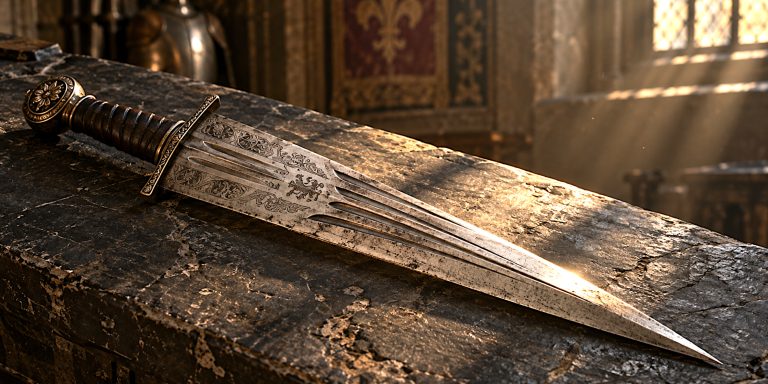
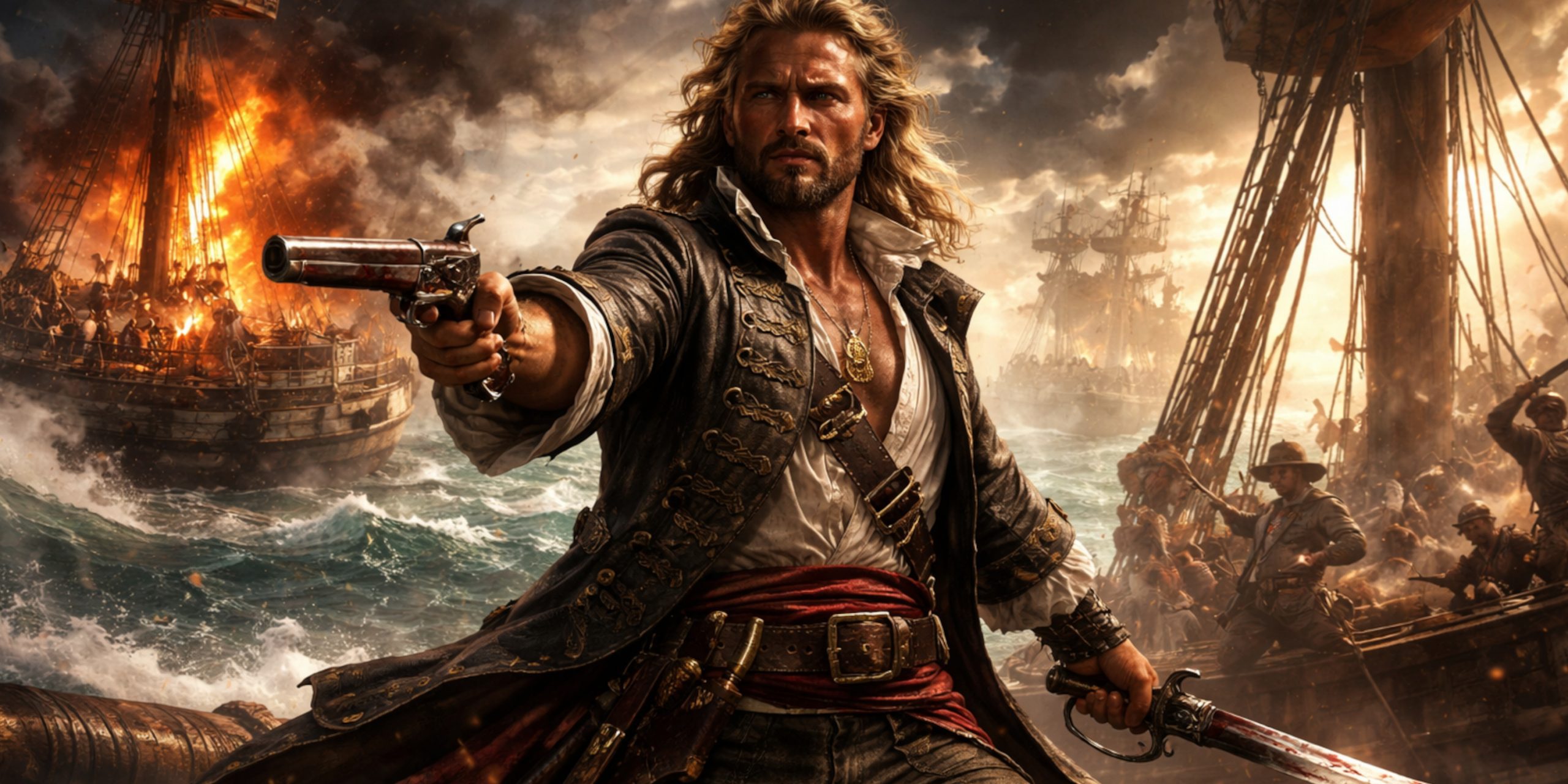
Flintlock pistols were favoured for the first brutal moments of boarding. Cutlasses followed, short and efficient, designed for cramped decks rather than heroic flourishes. Muskets and swivel guns provided covering fire from ship to ship.
What set de Graaf apart was not exotic weaponry but coordination. He used gunfire to pin crews, boarded decisively, and aimed to capture ships intact. Dead sailors do not pay ransoms.
Battles and raids
His most infamous success came in 1683 with the capture of Veracruz, one of Spain’s most important ports in New Spain. De Graaf and his allies took the city by deception, luring defenders away before striking. The raid yielded enormous wealth and humiliated Spanish authority.
He fought Spanish warships repeatedly and often won. Contemporary Spanish reports speak of him with open irritation, noting his speed, intelligence, and unsettling habit of appearing where he should not be.
Other raids across the Spanish Main followed, each reinforcing his reputation as a commander who understood both land and sea warfare.
Bounty and treasure
Veracruz alone produced a fortune in silver, trade goods, and ransoms. Precise figures vary wildly, which is usually a sign that the sums were large. De Graaf reinvested much of his wealth into ships and crews, maintaining operational strength rather than retiring early to comfortable obscurity.
He also understood the politics of profit. Loot was divided in ways that kept experienced men loyal. This, more than personal charm, explains the durability of his command.
Contemporary quotes and reputation
Spanish officials left some of the most revealing commentary. One governor reportedly described de Graaf as “a man who knows our coasts better than we do ourselves,” which is not the sort of thing one admits lightly.
French observers were more complimentary, praising his bravery and naval skill while carefully ignoring the inconveniences of his independence. Among buccaneers, he was regarded as reliable and frighteningly competent, praise that in such circles carries weight.
No contemporary source accuses him of stupidity, which may be the highest compliment of all.
Later life and fate
De Graaf’s end is less dramatic than legend might prefer. He appears to have entered French service more formally in the later years of his life, operating with official sanction rather than as an outright free agent.
Some accounts suggest he retired quietly, possibly dying in the early eighteenth century. Others hint at a final battle or disappearance at sea. The evidence favours a mundane ending. Men like de Graaf rarely meet poetic deaths. They simply stop appearing in records.
Assessment
Laurens de Graaf was not a rebel philosopher or a symbol of freedom. He was a professional predator operating in a brutal imperial economy. His success came from planning, intelligence, and an unsentimental view of violence.
He understood his world perfectly and exploited it without apology. History often flatters such men with romance. The reality is colder, sharper, and far more interesting.
Watch the documentary: