Sekiro: Shadows Die Twice does not reward patience in the usual sense. It rewards nerve. The game asks you to stand your ground, read steel on steel, and commit. If Sekiro ever felt unfair or oddly exhausting, chances are the combat clicked halfway but not all the way. These tips are about closing that gap, not cheesing bosses or farming comfort.
Learn to Love the Clash, Not the Roll
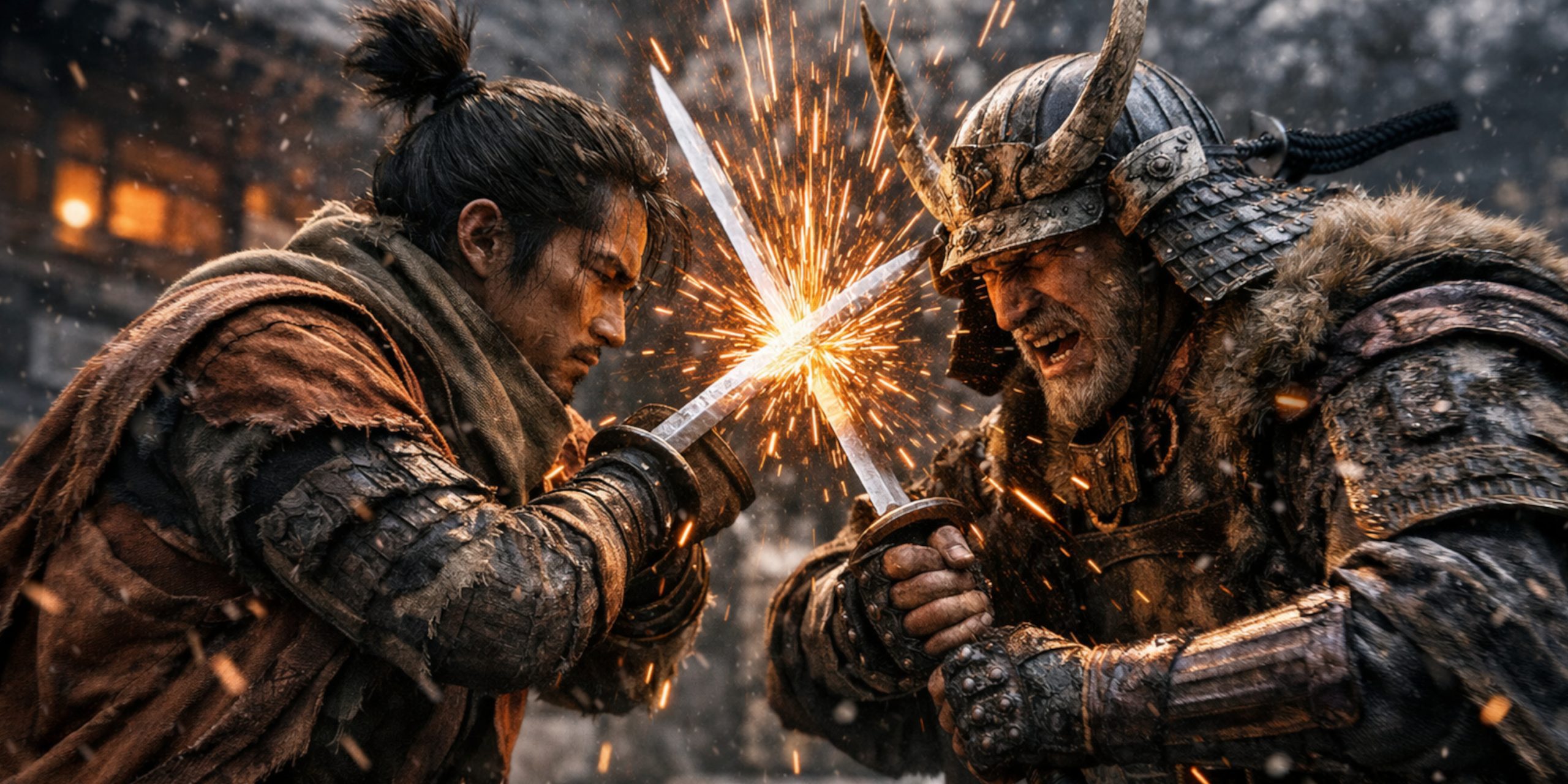
Rolling is a habit learned elsewhere. In Sekiro it is often a mistake. Deflecting keeps you close, keeps posture pressure high, and keeps the fight honest. Every clean deflect is progress, even when it feels like nothing happened.
A good rule of thumb. If you can see the blade, you can deflect it. Backing away just resets the problem and gives enemies time to recover posture. Standing your ground feels wrong at first, then suddenly feels obvious.
Posture Is the Real Health Bar
Vitality matters, but posture decides fights. A boss at half health with full posture is still in control. A boss with cracked posture and near full health is seconds from death.
Chip damage exists to slow posture recovery. Your aim is to pressure constantly so the posture bar never gets a chance to breathe. That is why aggression matters and hesitation gets punished.
Attack Until You Are Told Not To
Many enemies in Sekiro only assert themselves after you stop attacking. Light pressure forces predictable responses. You swing, they block, they counter. That counter is your deflect window.
If you stop, they start. And they usually start with something unpleasant.
Mikiri Counter Is Non Negotiable
If there is one skill that rewires how the game feels, it is Mikiri Counter. Thrust attacks stop being panic moments and turn into posture gifts.
The timing is calmer than it looks. Step into the attack, not away from it. The moment it clicks, thrust enemies go from terrifying to generous.
If combat still feels spiky after several hours, this is often the missing piece.
Perilous Attacks Are Tells, Not Threats
The red kanji is not a warning to flee. It is the game asking a question.
Sweep? Jump.
Thrust? Mikiri.
Grab? Move, then punish.
Each one has a correct answer. Guessing wrong hurts. Reading it right swings the fight immediately in your favour. Bosses reuse these patterns constantly. Once recognised, they feel almost polite.
Prosthetic Tools Are Tempo Controls
The prosthetic is not about damage. It is about rhythm.
Firecrackers interrupt momentum.
Shuriken punish aerial movement.
The axe breaks guard.
The spear exposes armour.
Use tools to reset fights on your terms. If an enemy dictates pace, the prosthetic is your way back into the conversation.
Death Is Information, Not Failure
Sekiro is blunt about learning. Death often comes quickly and repeats are short. That is intentional. Each attempt teaches spacing, timing, or tells.
If you find yourself getting angry, it usually means you are reacting instead of observing. Take one run just to watch. No pressure to win. That mindset shift alone can halve attempts.
Bosses Are Duels, Not Set Pieces
Unlike many action games, Sekiro bosses rarely rely on spectacle alone. They are tests of fundamentals under pressure.
If a boss feels impossible, it is rarely because you lack upgrades. It is usually because one core mechanic has not fully landed yet. Fix that, and the difficulty curve smooths out fast.
Takeaway
Sekiro is strict, but it is fair in a very particular way. Once you meet it on its own terms, the combat stops feeling like survival and starts feeling like conversation. Steel speaks, you answer, and the game finally listens.