Few relationships in historical fiction feel as tense, layered, and oddly believable as the one between Arthur Wellesley and Richard Sharpe. On paper, it should not work. An aristocratic general obsessed with discipline and control paired with a foul mouthed former ranker who solves problems with brute force and bad manners. Yet across the novels and the television adaptations, their uneasy alliance becomes one of the quiet engines driving the entire series.
This is not a friendship, and it never pretends to be. It is something far more interesting.
Order Versus Improvisation
Wellington represents structure. He believes wars are won through logistics, positioning, and an almost mathematical understanding of when to advance and when to wait. He is not flashy, and he hates unnecessary risk. That is why he survives long enough to become Wellington.
Sharpe, by contrast, survives by instinct. He charges where others hesitate, breaks rules when they slow him down, and relies on personal loyalty rather than formal hierarchy. His successes often look reckless from above, even when they are effective on the ground.
What makes their dynamic compelling is that Wellington understands exactly what Sharpe is. He does not mistake him for a gentleman officer, and he never tries to turn him into one. Sharpe is a tool, a dangerous one, but occasionally the only tool suited to the job. Wellington’s genius lies in knowing when to use him and when to keep him at arm’s length.
Respect Without Affection
There is a persistent myth among casual viewers that Wellington secretly likes Sharpe. That is generous. Respect is the right word, and even that is conditional.
Sharpe delivers results. He captures eagles, disrupts enemy plans, rescues hostages, and survives missions that should end in disaster. Wellington notices. Promotions follow, but always reluctantly, and usually with a warning attached. Every advancement feels less like a reward and more like a calculated risk.
Wellington never forgets Sharpe’s origins, and he never lets Sharpe forget them either. Their conversations often feel like a polite duel, with Sharpe pushing boundaries and Wellington reminding him, quietly and firmly, who holds real power.
Class Tension at the Heart of the Series
At its core, this relationship is about class. Sharpe is a walking insult to the British officer corps, a man who has not paid for his rank and does not behave as if he owes anyone gratitude. Wellington, despite his pragmatic streak, still operates within that system and understands its fragility.
Sharpe exposes the hypocrisy of the army. He is brave, loyal, and effective, yet constantly undermined by men with better accents and worse judgement. Wellington does not dismantle this system, but he exploits it when necessary. That tension gives their scenes weight, because neither man is entirely right or wrong.
This is where Bernard Cornwell is at his sharpest. The dynamic is not wish fulfilment. Sharpe does not overthrow the class structure. Wellington does not become a populist hero. They coexist, uneasily, because war demands it.
From Page to Screen
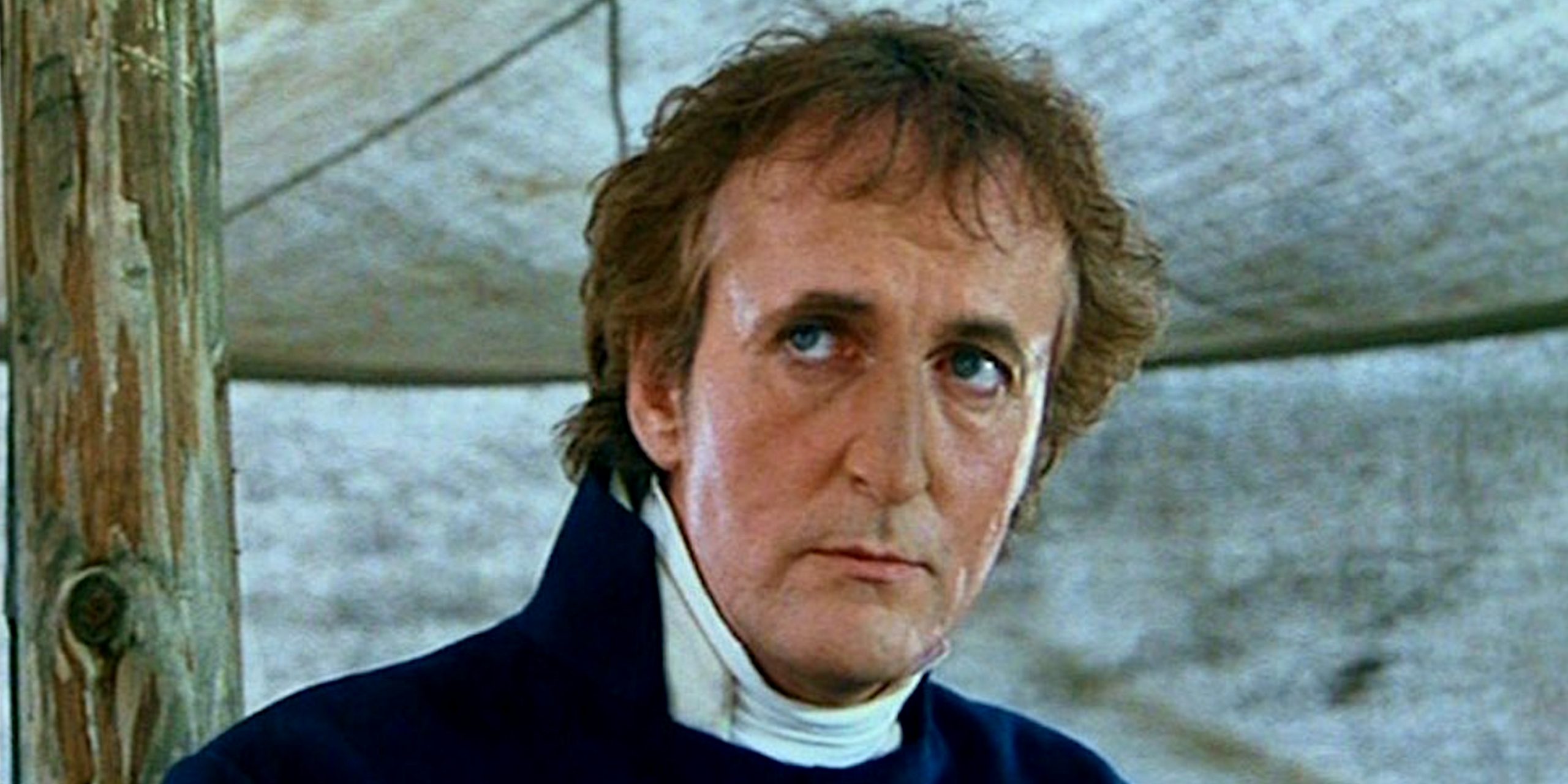
The television adaptation Sharpe softens this relationship slightly, largely because screen chemistry demands it. Wellington comes across as more openly approving, and Sharpe occasionally edges closer to the trusted lieutenant archetype.
Even so, the underlying imbalance remains. Wellington uses Sharpe. Sharpe knows it. The tension is simply played with a lighter touch, helped along by knowing glances and clipped dialogue that suggest more history than is ever spoken aloud.
Why It Still Works
What keeps this dynamic compelling is that it never resolves. There is no final handshake, no moment where Wellington fully endorses Sharpe as his equal. Their relationship remains transactional, professional, and quietly strained.
That feels honest. Wars are not won by mutual admiration alone. They are won by people who tolerate each other long enough to get the job done.
Sharpe needs Wellington’s authority to survive the army. Wellington needs Sharpe’s ruthlessness to win battles others cannot. Neither would admit it out loud, which somehow makes it better.