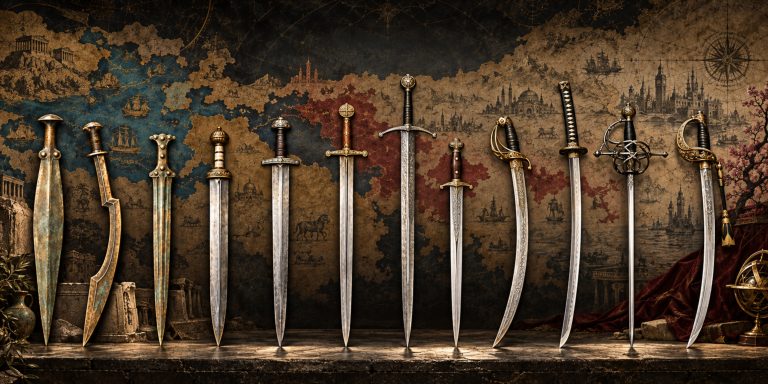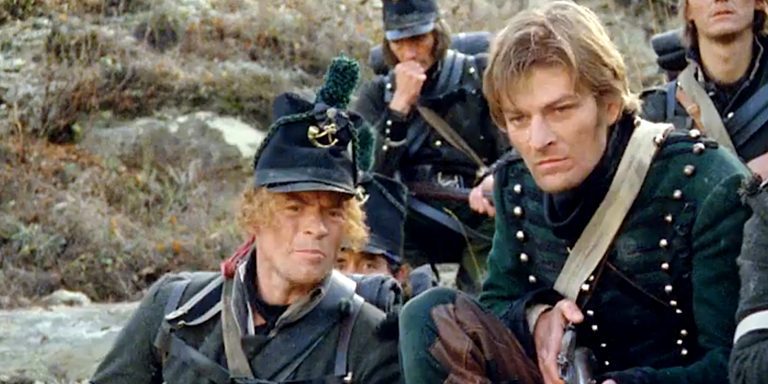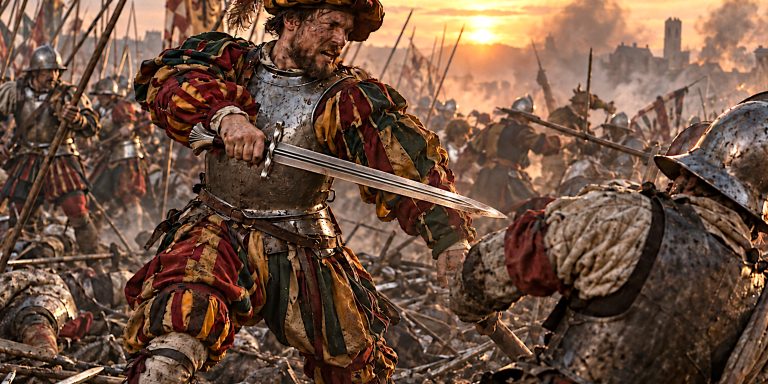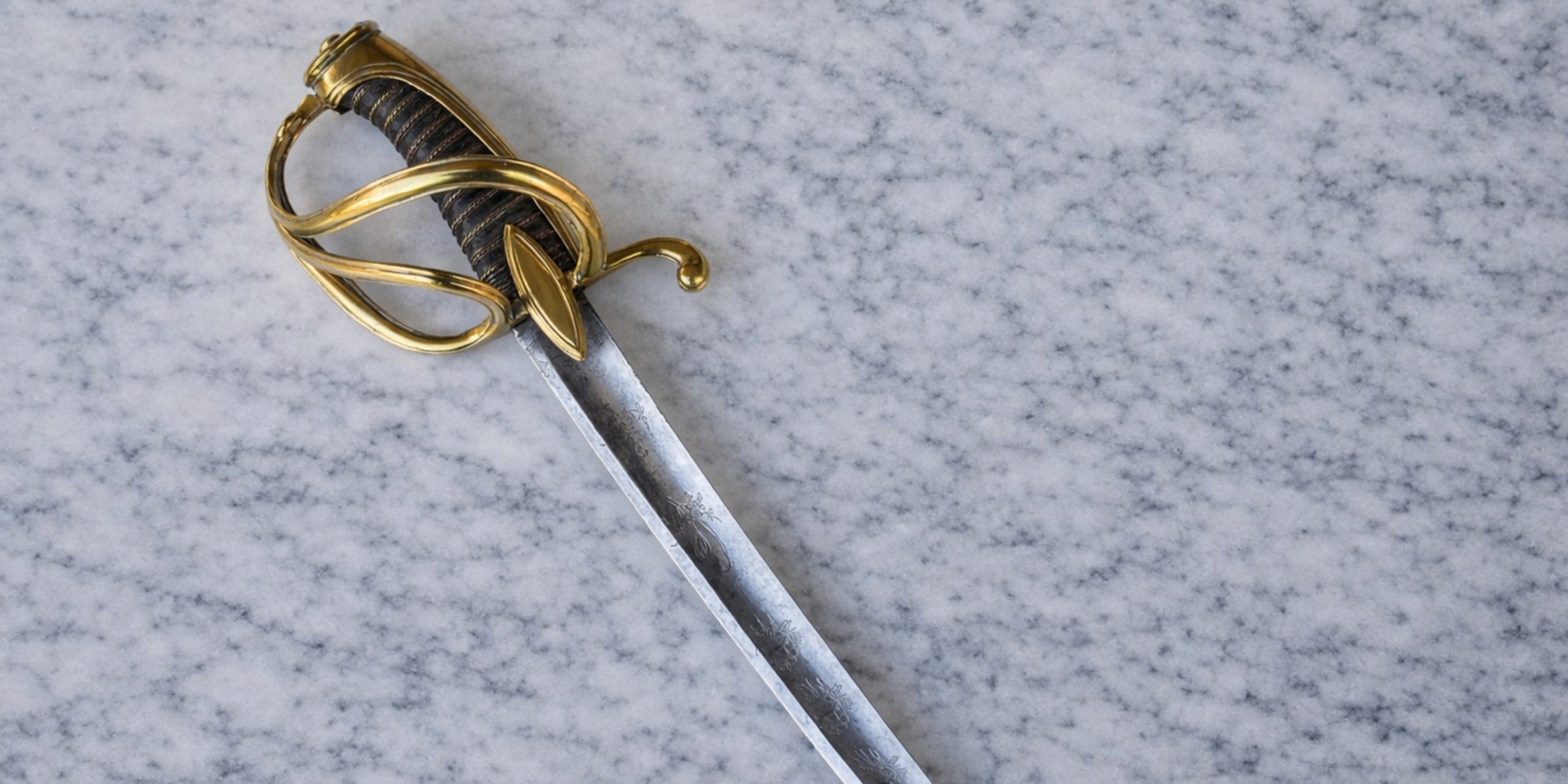
The French AN XI light cavalry sabre sits at the heart of Napoleonic military design. Introduced during the Consulate period, it reflects France’s push towards standardisation after the chaos of the Revolutionary Wars. This was a working cavalry weapon built for speed, reach, and repeated battlefield use, not parade ground theatrics. If you want to understand how French light cavalry fought between Marengo and Waterloo, this sabre tells the story in steel.
Specifications
| Feature | Details |
|---|---|
| Date of adoption | An XI of the French Republican calendar, 1802 to 1803 |
| Overall length | Approx. 95 to 98 cm |
| Blade length | Approx. 83 to 88 cm |
| Blade type | Curved, single edged, broad fuller |
| Hilt | Brass, three branch guard |
| Grip | Wood core with leather wrap and twisted wire |
| Scabbard | Steel, two suspension rings |
| Weight | Around 1 kg |
History and Evolution
The AN XI sabre emerged as France moved away from the improvised weapons of the Revolutionary period. Earlier light cavalry sabres varied wildly in form and quality. The AN XI introduced a consistent pattern that could be mass produced while remaining effective in combat.
It served hussars, chasseurs à cheval, and light cavalry units across the Napoleonic Wars. The design proved durable enough that later patterns, especially the AN XIII, changed little beyond minor refinements to grip and scabbard construction.
This sabre saw service across Europe, from Spain to Russia, and many examples remained in use well after 1815.
Advantages and Disadvantages
Advantages
- Excellent cutting power thanks to the curved blade and forward balance
- Robust brass hilt offering solid hand protection
- Steel scabbard resisted damage better than leather covered examples
- Consistent manufacture made replacement and training easier
Disadvantages
- Limited thrusting capability compared to straighter blades
- Weight could feel tiring during prolonged engagements
- Brass hilt dents easily and shows wear quickly
- Grip can feel narrow for larger hands
Comparison With Similar Weapons
| Weapon | Key Difference |
|---|---|
| French AN IX sabre | Earlier and less standardised, often heavier |
| French AN XIII sabre | Minor refinements, very similar handling |
| British 1796 Light Cavalry Sabre | More aggressive blade curve and cutting bias |
| Austrian M1798 Light Cavalry Sabre | Straighter blade, better thrusting control |
Compared to the British 1796, the AN XI feels more balanced and controlled, though slightly less savage in the cut. Against Austrian patterns, the French sabre trades thrusting precision for sweeping cuts at speed.
Legacy
The AN XI set the template for French cavalry sabres for decades. Its influence carried into later 19th century designs, both in France and abroad. Many European armies studied or directly copied French patterns after experiencing them first hand on the battlefield.
It also cemented the reputation of French light cavalry as fast, aggressive, and devastating in pursuit.
Where to See One Today
Original examples can be found in several major collections:
- Musée de l’Armée
- Royal Armouries
- Musée de l’Empéri
These collections often display sabres alongside uniforms and saddlery, giving useful context for how they were worn and used.
Collector’s Guide and Auction Prices
The AN XI is popular with collectors, but condition matters enormously.
What to look for
- Matching blade and scabbard
- Clear Klingenthal markings or inspection stamps
- Original wire wrap on the grip
- Even blade curvature without excessive sharpening
Typical auction prices
| Condition | Price Range |
|---|---|
| Poor, incomplete | £800 to £1,200 |
| Good, honest wear | £1,500 to £2,500 |
| Excellent, matching scabbard | £3,000 to £5,000 |
| Exceptional provenance | £6,000 and above |
Beware heavily cleaned examples. A sabre that looks too new often has lost much of its historical value.