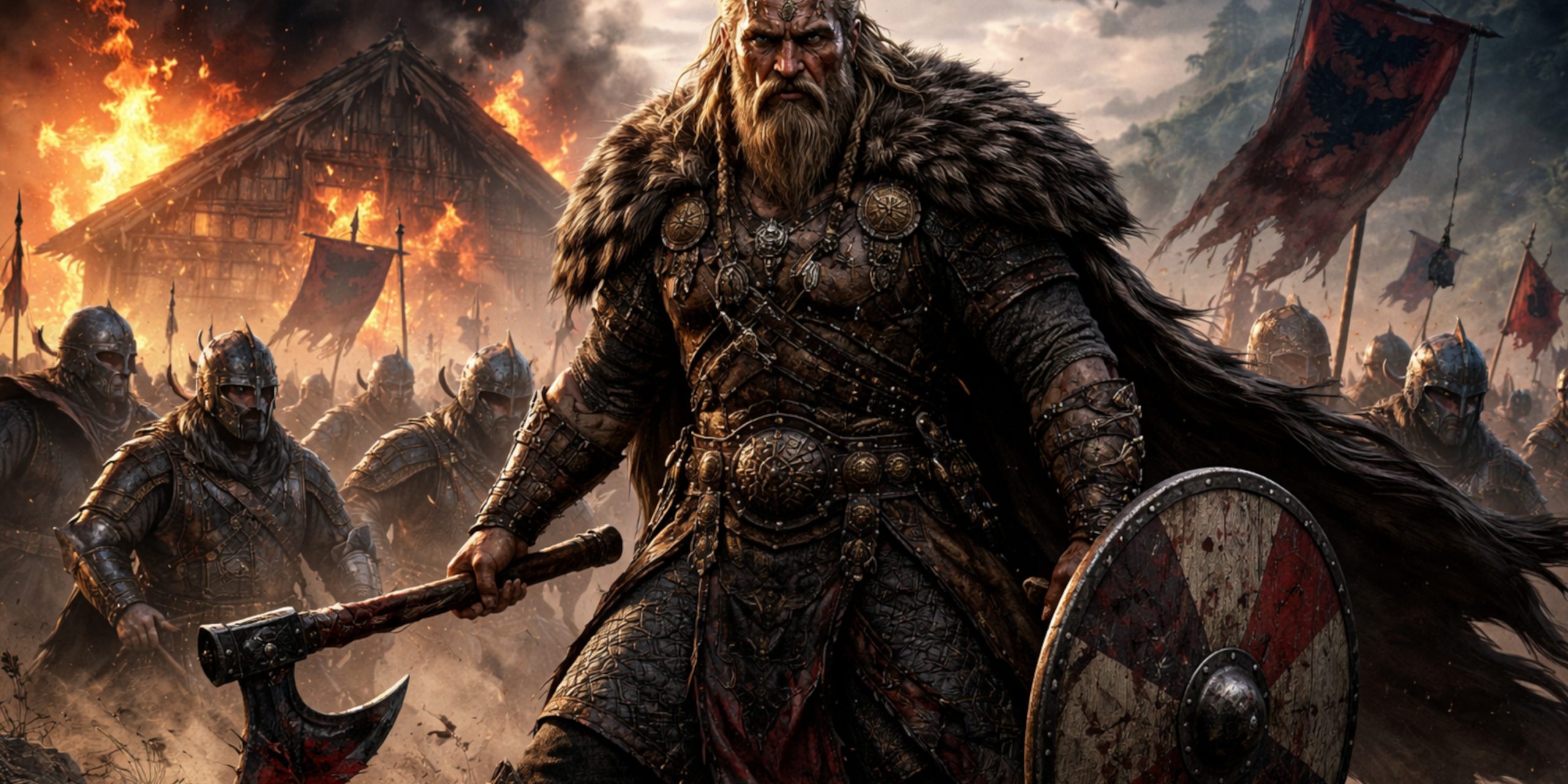
There is something wonderfully unhinged about starting as a pagan warlord in CK3. You are poor, violent, spiritually confident, and surrounded by people who would quite like your land. The game does not ask you to civilise early. It dares you to survive first.
Playing pagan shifts the mindset. You stop worrying about perfect borders and start thinking in terms of seasons, omens, grudges, and whether your neighbour’s cattle would look better under your banner. It feels closer to myth than administration, and that is where the fun lives.
Choosing Your Pagan Path
Not all pagan starts scratch the same itch. Some feel like raiding holidays, others like living on a knife edge.
Norse rulers are the obvious gateway. Raids pay the bills, prestige fuels ambition, and dying gloriously is practically a retirement plan. Slavic and Baltic pagans feel rougher and more local. Fewer boats, more forests, more feuds that last generations. African pagan faiths lean into ancestor veneration and internal stability, which suits players who like their chaos domestic rather than maritime.
Pick a faith that matches the story you want to tell. If your mental image involves burning monasteries and returning home drunk on prestige, you know where to look.
Roleplay Before Optimisation
This is the hardest habit to break, especially if you have played CK for years. Pagan warlords shine when you let bad decisions breathe.
Declare wars because your character is wrathful, not because the odds are perfect. Keep rivals alive longer than you should because revenge tastes better after a few winters. Accept that sometimes your genius warrior king dies to an infected wound at thirty two, and now his nervous son has to hold the realm together with threats and prayers.
The best pagan campaigns are messy. Lean into that.
War as a Way of Life
For pagan rulers, war is not a phase. It is the economy, the prestige engine, and the social calendar.
Early wars should feel scrappy. Small levies, unreliable allies, and battles that matter because losing one can end the story. Raiding is less about gold efficiency and more about momentum. You raid to stay relevant, to keep your vassals impressed, and to remind your neighbours that peace is temporary.
When you win a big war, do not rush to stabilise. Let the realm wobble. That tension is the point.
Faith, Fear, and a Little Theatre
Pagan faiths in CK3 reward commitment. Human sacrifice, ritual feasts, ancestor worship, these are not just buttons to press. They are tone setters.
Execute prisoners publicly. Hold feasts after victories. Build holy sites even when your coffers say no. Your ruler should feel like someone the people fear, admire, or whisper about. Ideally all three.
Reforming the faith is a major narrative beat. Do it too early and you lose the wildness. Do it too late and your neighbours might do it for you with swords.
Succession Chaos Is the Feature
Tribal succession laws are brutal, and that is fine. Your realm breaking apart on death is not failure. It is Act Two.
Brothers become rivals. Old allies turn opportunistic. Your new ruler inherits grudges they did not earn. This is where pagan roleplay sings. You are not building a tidy empire. You are telling a saga where reunification is a personal vendetta, not a checklist item.
If you finish a pagan run without at least one catastrophic succession, you probably played it too safely.
When to Leave the Old Gods Behind
There will come a moment when feudal neighbours outpace you. Bigger armies, cleaner succession, better infrastructure. Converting or reforming is tempting, and sometimes necessary.
Treat that moment like a character decision, not a strategic pivot. Is your ruler a pragmatist who sees the writing on the wall, or a zealot who would rather burn than bend. Both are valid. Only one is efficient.
Efficiency is overrated anyway.
The Seven Swords Takeaway
Roleplaying a pagan warlord in CK3 works because the game supports imperfection. It lets you be reckless, proud, and occasionally stupid without instantly ending the campaign. Some of the best stories come from rulers who were never meant to rule long, but left scars that lasted centuries.
If you want clean borders and calm successions, there are better starts. If you want stories you will still be talking about a week later, pick a pagan, raise the banners, and see who survives long enough to tell the tale.