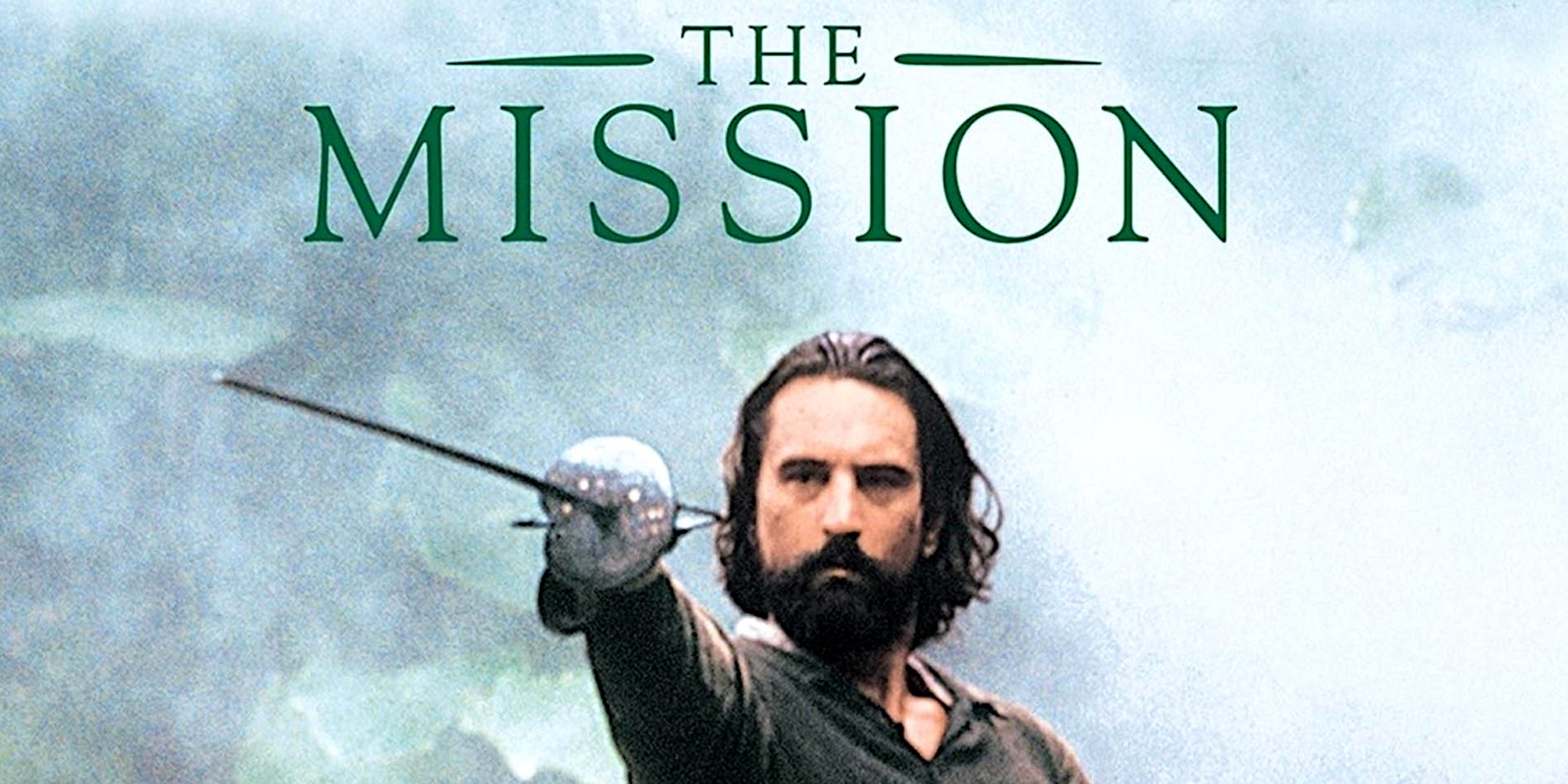
There are films that age like milk, and there are films that feel as if someone bottled lightning and left it on the top shelf for anyone to find decades later. The Mission sits firmly in that second camp. Watching it now feels strangely current, almost unnervingly so, and I think that is why people keep circling back to it even when the world has plenty of new distractions.
The mix of moral questions, unfiltered emotion and scenery that looks too good to be real hits differently when you grow up in a world ruled by algorithms and attention spans shorter than my last situationship. Yet here we are, streaming a film from 1986 and staring at it like it just dropped on a brand new platform.
The Story That Refuses To Go Quiet
The Mission does not rush. It builds. It asks you to sit with choices that rarely have neat answers. Watching a Jesuit missionary climb a waterfall to reach a remote community might sound like something out of a documentary your teacher put on when they wanted a break, yet on screen it becomes something strange and magnetic.
What surprises me most every time is how the film avoids the easy route. It never shouts its message. It lets it seep in. Modern audiences who spend their lives dodging loud opinions online probably find the calm honesty refreshing. It is the cinematic version of someone speaking quietly in a loud room, and everyone turning to listen.
Characters With Real Weight
You have Robert De Niro playing a man trying to outrun the worst parts of himself and Jeremy Irons offering the kind of gentle authority most of us wish our bosses had. Their chemistry is not the flashy type. It is slow burn trust mixed with conflict and topped with a little spiritual confusion.
What makes the characters stick is how painfully human they all are. You can tell when someone has cracked under the pressure. You can tell when someone is pretending they have not. I think that is why the film still resonates. It gives us people who are trying their best in a situation that has no perfect outcome. A bit like life, except with better costumes.
The Music That Lives Rent Free In Everyone’s Brain
Ennio Morricone did not compose a soundtrack. He created something that practically attaches itself to your emotions and refuses to let go. Even people who do not know the film recognise the score.
The music lifts quiet scenes into moments that look like you have stumbled into something sacred. In an age where film soundtracks often feel designed to end up on TikTok edits, The Mission offers something older and deeper. It is a reminder that music can guide you instead of chasing you.
The Visuals That Still Look Ridiculous In The Best Way
Filmmakers today have access to technology that can conjure whole worlds, yet The Mission still competes with them using pure cinematography and actual locations. The waterfalls, the forests and the small moments of stillness are part of why people rewatch it.
You feel the damp air. You feel the risk. You feel the weight of the environment on the characters. That sense of place matters when the plot itself deals so heavily with belonging and displacement. It is not subtle, but honestly it does not need to be.
Themes That Modern Viewers Keep Arguing About
Colonialism, faith, guilt, redemption, power. None of these topics have faded, and maybe that is the secret to the film’s longevity. Younger audiences hit play expecting an old classic, then realise the story is basically holding up a mirror to issues that still shape the world.
It becomes one of those films you talk about after watching. Everyone picks a different angle. Is the film hopeful or tragic. Is it showing resistance or futility. Is it being too soft or too harsh. When a film can start conversations almost forty years later, people are always going to return to it.
Why It Feels Weirdly Timeless
The Mission lands in this unusual space where it feels historical but also strangely modern. Maybe the real magic is that you can grow up, change your perspective and still discover something new in it each time. When a film ages with you instead of ageing away from you, it earns its rewatchability.
It is not perfect. Few films are. Yet it understands emotion with a precision that makes everything feel alive even on a quiet frame. That quality is rare, and audiences know when they see it.
Final Thoughts From someone Trying To Make Sense Of All This
Every time I revisit The Mission I expect it to show its age. Instead it politely refuses and hands me another emotional problem to think about. It is the kind of film that rewards rewatching rather than just nostalgia scrolling. Maybe that is why so many people keep going back.
For a generation that is constantly juggling screens, opinions and existential dread, watching something that asks genuine questions without pushing you off a cliff feels strangely grounding.
It lets you breathe. It lets you think. It lets you feel something honest.
And honestly, that is enough to keep anyone returning.
Watch the Trailer: