Romance in Kingdom Come: Deliverance II is not a fantasy dating simulator. No glowing heart icons. No dramatic violin music when someone likes you. It is awkward, political, occasionally tender, and very medieval. Which honestly makes it far more interesting.
If you are expecting smooth charm and easy wins, you might want to lower your expectations. If you enjoy slow burn character writing, meaningful dialogue, and consequences that actually stick, you are in the right place.
Below is everything we currently know about romance options, how they work, and how to avoid accidentally insulting someone’s entire family.
How Romance Works in Kingdom Come Deliverance II
Romance is tied closely to reputation, dialogue skill checks, quest outcomes, and your broader moral choices. You cannot simply pick the flirtiest line every time and expect success.
Key factors include:
- Speech and charisma levels
- Cleanliness and appearance
- Quest decisions and loyalty
- Faction alignment
- Timing during specific questlines
The system builds on what was introduced in Kingdom Come: Deliverance, but it is more reactive. Characters remember things. They reference earlier conversations. If you behave recklessly, word spreads.
It feels less like unlocking a reward and more like earning trust in a small medieval community where gossip travels faster than a galloping horse.
Returning and Expanded Romance Threads
Henry’s story continues, and that means past relationships may influence future possibilities.
Theresa
Theresa returns as a significant emotional anchor. If you built a bond in the first game, that history matters.
Her romance path is grounded and serious. It focuses on:
- Loyalty
- Stability
- Shared trauma
- Emotional maturity
Theresa is not interested in reckless charm. She reacts strongly to betrayal or careless behaviour. If you try to juggle multiple romances, expect consequences. The writing leans toward realism rather than fantasy wish fulfilment.
New Noble Romance Options
Kingdom Come Deliverance II expands its social scope. Henry interacts more directly with nobility, which opens the door to politically complicated relationships.
A Noblewoman with Political Stakes
One major romance route involves a highborn woman whose interests are tied to regional power struggles. This path is less about sweet countryside dates and more about navigating alliances.
To progress:
- Maintain high speech checks
- Support her faction in key decisions
- Avoid dishonourable conduct
This relationship explores class tension. Henry is still not fully accepted in noble circles. You feel that imbalance in conversations. It adds friction, and honestly, it makes the story sharper.
Tavern and Town Romances
Not all romance options are political chess matches. Some are smaller, grounded stories involving townsfolk.
These arcs tend to focus on:
- Side quests
- Personal favours
- Building local reputation
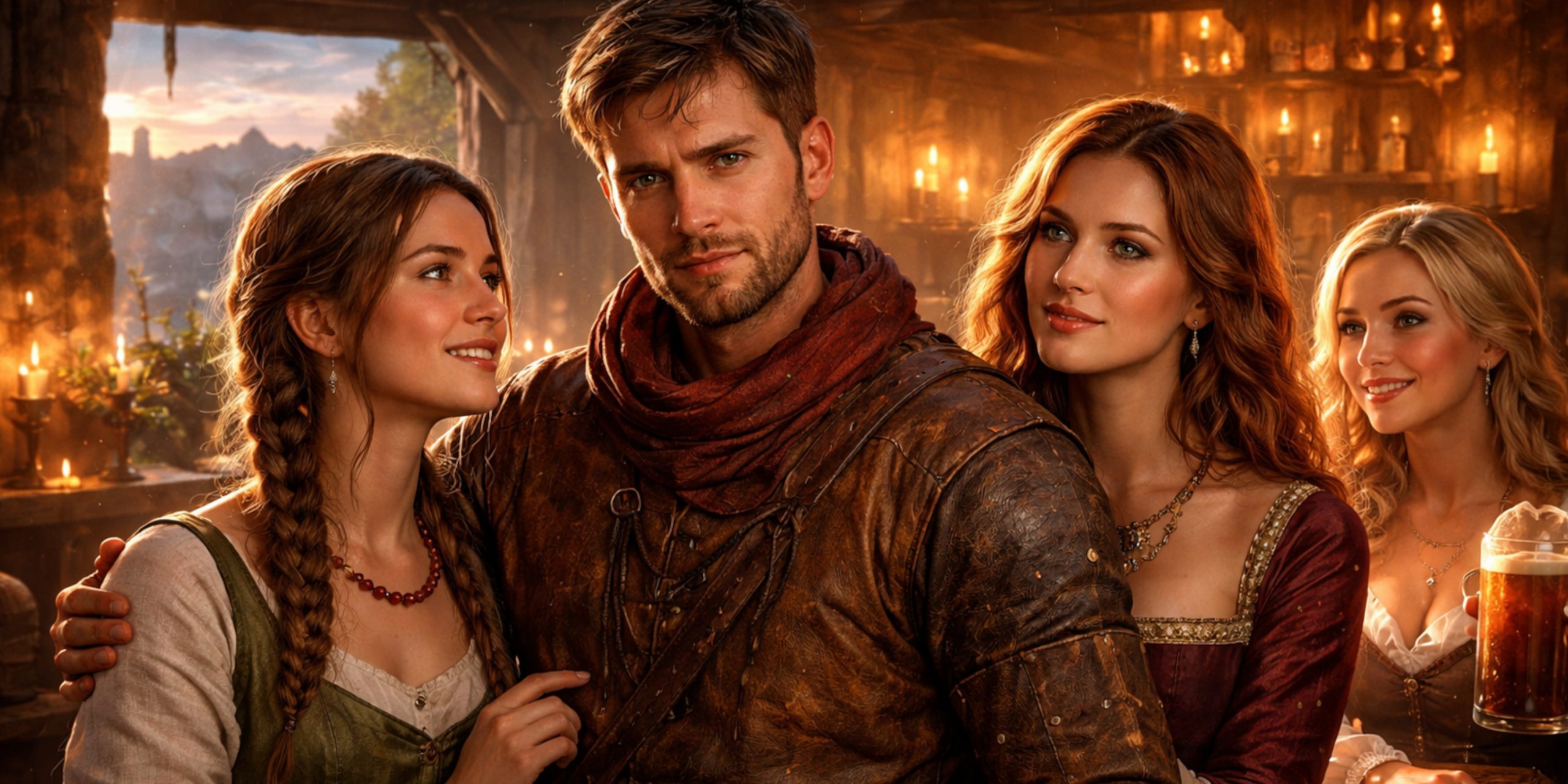
They feel intimate. Less grand strategy, more human connection. Sometimes awkward, sometimes surprisingly heartfelt.
Unlike fantasy RPGs where every character is conveniently single and interested, not everyone is available. Some storylines deliberately close off depending on earlier choices.
That restraint gives the system weight.
One Time Encounters
Yes, there are still short term romantic or intimate encounters. Medieval life was not purely courtly poetry.
However, these interactions can:
- Affect your reputation
- Impact long term relationships
- Create social consequences
If you are pursuing a serious relationship, casual behaviour may complicate things. The game does not moralise loudly, but it does react quietly. That subtlety works.
Can You Romance Multiple Characters
Technically, you can pursue different romantic threads. Practically, it is risky.
Characters talk. Reputation spreads. Certain romance flags will lock out others. If you are aiming for a stable long term relationship, playing both sides is not wise.
This is not a sandbox dating playground. It is a medieval society with expectations and memory.
Is Romance Worth It
From a gameplay perspective, romance provides:
- Unique dialogue
- Exclusive quest variations
- Emotional payoff
- Character development depth
It does not shower you with powerful items or stat boosts. The reward is narrative richness. And if you care about Henry as a character rather than just a walking sword arm, that matters.
Personally, I appreciate that romance feels earned. You cannot brute force affection. You have to listen. You have to commit. That feels refreshingly grown up for an RPG.
Tips for Successful Romance
If you want your medieval love life to survive longer than a tavern brawl, keep this in mind:
- Invest in speech and charisma early
- Keep your clothing clean and respectable
- Pay attention to dialogue tone
- Avoid unnecessary violence in public
- Complete companion related quests fully
Above all, be consistent. The game rewards steady behaviour far more than flashy gestures.
Seven Swords Takeaway
Romance in Kingdom Come Deliverance II feels grounded, restrained, and human. It avoids fantasy clichés and leans into social realism. Some players may find it slow. Others will find it immersive.
If you want drama, politics, emotional tension, and the occasional painfully awkward conversation in a candlelit hall, you will find plenty here.
Medieval love is complicated. This game understands that.