A smaller story with bigger consequences
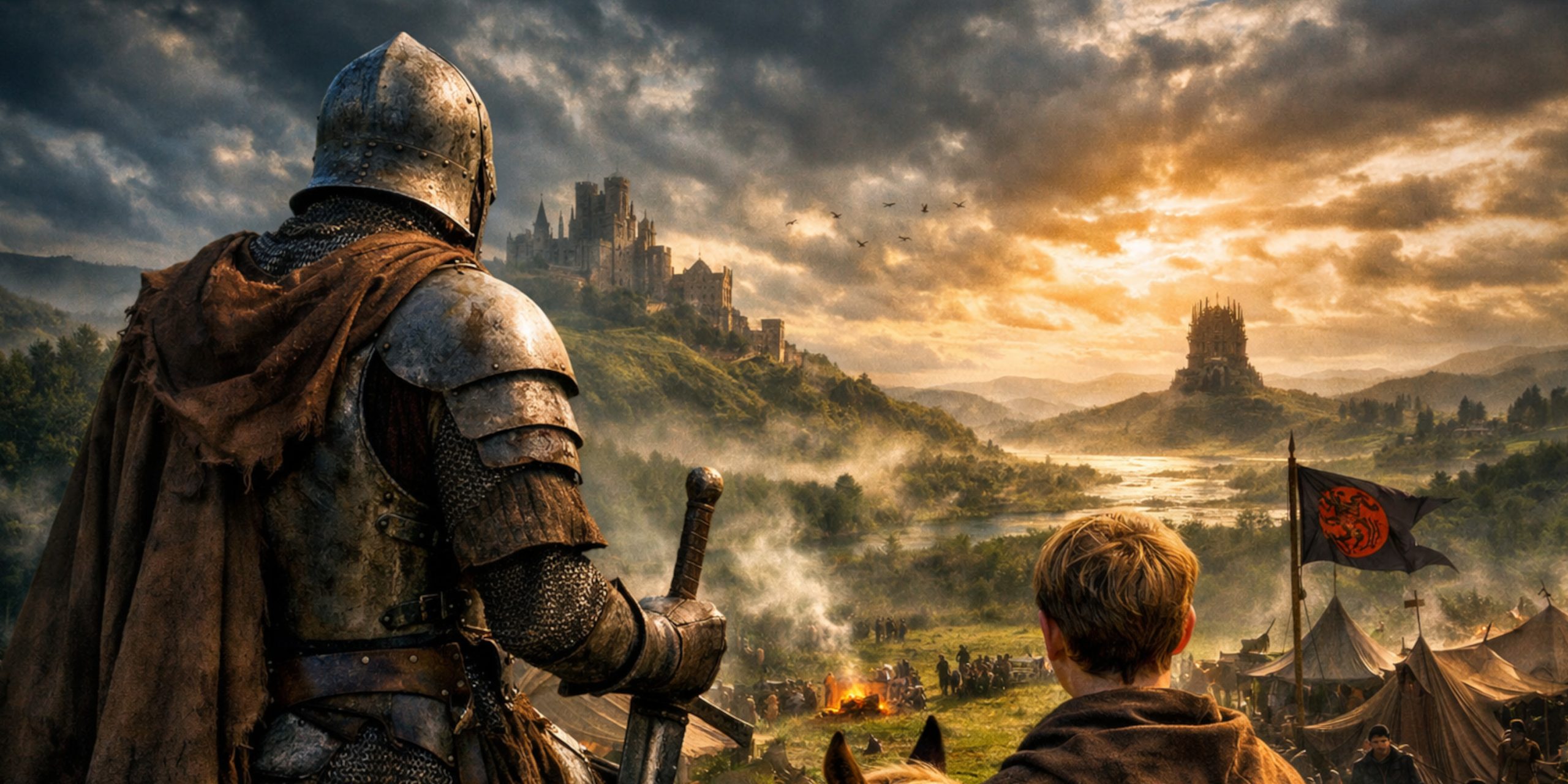
At first glance, A Knight of the Seven Kingdoms looks like a gentle detour from the chaos of Game of Thrones. No dragons flattening cities, no ice demons marching south, and definitely fewer beheadings per episode. That is the trick. By shrinking the scale, the series gets closer to the bones of Westeros and shows how the world we later recognise was quietly shaped.
Set roughly a century before the War of the Five Kings, this story focuses on Dunk and Egg, two travellers who sit far below the political heavyweights of later years. What they experience explains how Westeros learned to distrust power, romanticise knighthood, and slowly drift away from the Targaryen myth.
The slow unravelling of House Targaryen
By the time Game of Thrones begins, the Targaryens are already ghosts. This series shows why.
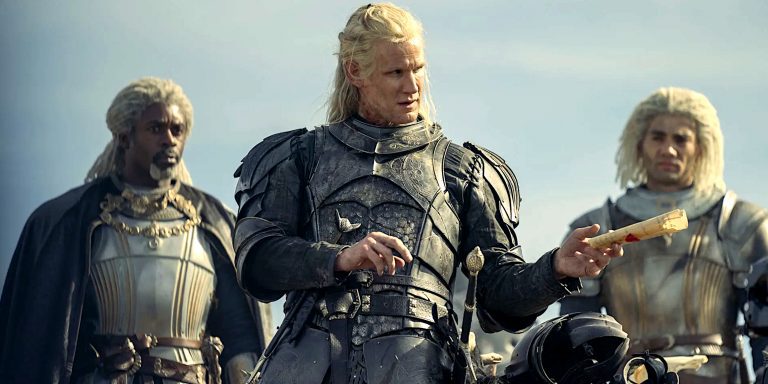
The Targaryens here are still on the Iron Throne, but the cracks are obvious. Dragons are gone, the family is splintered, and their authority depends more on tradition than fear. You can feel the realm slipping out of their hands, one poor decision at a time. This matters because it reframes Robert’s Rebellion not as a sudden collapse but as an inevitable result of long decay.
Watching these early failures land is oddly satisfying. You start to see that the Mad King was not an accident. He was the final symptom.
Knighthood before it became a punchline
One of the smartest things the show does is take knighthood seriously. Dunk believes in it, almost painfully so. Honour, protection of the weak, and keeping your word actually mean something here, even when reality refuses to cooperate.
Fast forward to Game of Thrones, and knighthood is mostly branding. Titles are handed out for loyalty, violence, or convenience. Seeing that contrast makes characters like Brienne of Tarth land harder later on. She is not reinventing knighthood. She is clinging to an older version that Dunk already embodied.
It quietly explains why honour feels so out of place in the main series. Westeros has been disappointing its idealists for generations.
The Blackfyre shadow hanging over everything
Civil war does not need to be on screen to do damage. The Blackfyre Rebellions linger in conversations, loyalties, and grudges throughout the series. Everyone remembers choosing sides, and nobody fully trusts the peace that followed.
This tension feeds directly into the paranoia and factional thinking we later see in Game of Thrones. Westeros is a land trained by history to expect betrayal. The War of the Five Kings feels less like madness and more like muscle memory kicking in.
You get the sense that the realm has been practising for disaster for a very long time.
Egg, destiny, and the danger of good intentions
Egg is the quiet bomb ticking under the entire franchise. Knowing his future turns every small moment into foreshadowing. His curiosity, compassion, and frustration with tradition all point toward the reforms he will one day try to force through as king.
This matters because Game of Thrones repeatedly asks whether good intentions make good rulers. Egg suggests the answer is complicated. He wants to help the smallfolk, but Westeros resists change with almost religious stubbornness. That resistance echoes through later rulers, from Ned Stark to Daenerys Targaryen.
The show gently argues that the realm does not break because people are cruel. It breaks because it refuses to bend.
Why this prequel actually earns its place
This is not setup in the Marvel sense. Nobody is winking at future plot twists. Instead, the series builds emotional and political context that makes Game of Thrones feel deeper on a rewatch.
You understand why the smallfolk are cynical. You see where the myths came from, and how hollow they already were. You also get a reminder that Westeros was never only about thrones and dragons. It was about people trying, failing, and occasionally doing the right thing for reasons that had nothing to do with power.
And honestly, after years of apocalypses and prophecies, it is refreshing to watch a story where the fate of the world is not at stake. Just the soul of it.