A World That Refuses to Babysit You
If you are used to RPGs gently nudging you toward greatness, Kingdom Come Deliverance II takes that hand and politely swats it away. You are not special. You are not chosen. You are a person trying to survive in 15th century Bohemia, and the game commits to that idea with stubborn confidence.
There is no power fantasy baked into the opening hours. You feel slow, underfed, badly dressed, and often out of your depth. That discomfort is the point. The game trusts players to adapt rather than demanding the world bend to them, which already sets it apart from most modern RPG design.
Combat That Feels Earned, Not Granted
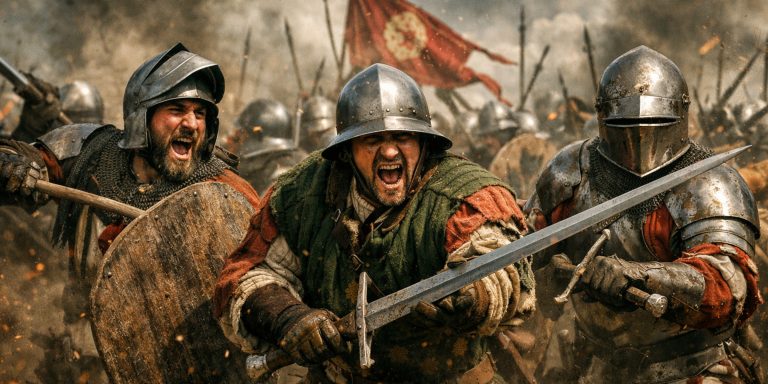
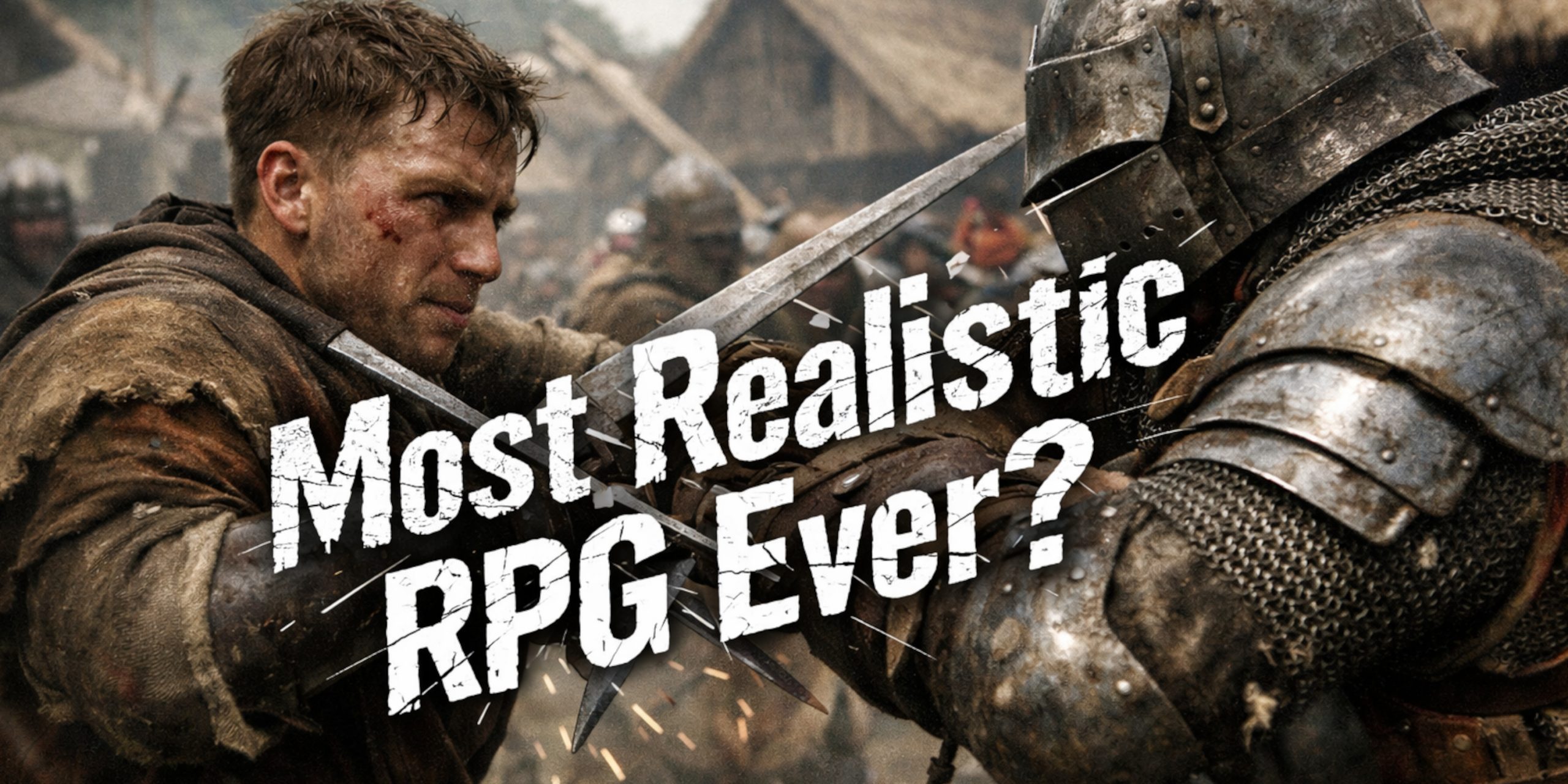
Swordplay here is not about flashy animations or cinematic finishers. It is about timing, stamina, positioning, and nerves. Every swing costs effort. Every mistake carries consequences.
Fights are messy and tense, especially early on. Armour matters. Reach matters. Getting surrounded is a fast way to see a reload screen. What makes this special is how improvement feels physical rather than numerical. When you get better, it is because you understand distance, rhythm, and fear, not because a stat ticked up behind the scenes.
This is one of the few RPGs where backing away from a fight feels sensible rather than cowardly.
History as a Framework, Not a Costume
Many games use history as set dressing. Kingdom Come II treats it as a foundation. The architecture, clothing, weapons, and social structures are grounded in serious research, and it shows in quiet ways.
Towns feel built for trade and defence, not sightseeing. Armour looks heavy because it is heavy. Social rank quietly governs how people speak to you, trust you, or dismiss you outright. The game rarely explains these systems directly. You learn by misreading a room and paying the price.
It creates a sense that the world existed before you arrived and will carry on whether you succeed or not.
Daily Life Actually Matters
Eating, sleeping, staying clean, and maintaining equipment are not flavour mechanics. They shape how the world reacts to you. Turn up filthy and exhausted and people notice. Neglect your gear and it fails you at the worst moment.
This could have felt tedious, but it is handled with restraint. These systems push you to think like a person living in that world rather than a player ticking boxes. Planning a journey means checking supplies. A long day of fighting leaves you visibly worn down.
It sounds small, but it is the glue that makes the experience feel lived in rather than simulated.
Characters Who Feel Like Locals, Not Quest Givers
NPCs here are not standing around waiting for you to activate them. They have routines, loyalties, grudges, and limits to their patience. Dialogue often reflects your reputation and past behaviour, not just your current objective.
You can talk your way into trouble just as easily as out of it. Promises stick. Insults linger. It creates a social texture that many RPGs aim for but rarely achieve.
There is something refreshing about a game that lets conversations fail without immediately offering a do over.
Progress That Feels Human
Character growth is slow and sometimes frustrating, but it mirrors real learning. Skills improve through repetition and practice, not menu optimisation. Reading makes you better at reading. Fighting makes you better at fighting, provided you survive long enough.
This approach asks for patience, which will not be for everyone. But for players willing to meet it halfway, the payoff is huge. Success feels personal. Failure feels instructive rather than arbitrary.
It turns improvement into a story you can feel rather than a chart you can min max.
Why This Kind of Realism makes a difference
Kingdom Come II is not trying to replace fantasy RPGs or lecture players about history. It is offering a different relationship with immersion. One built on friction, consequence, and respect for the setting.
In an era where many games smooth out every edge, this one leaves them in place and trusts players to learn how to handle them. That confidence is rare, and it is why the game stands out.
It may not be the easiest RPG to love, but it might be one of the most honest.
Seven Swords Takeaway
Calling any game the most realistic RPG ever made invites debate, and rightly so. What Kingdom Come II does better than almost anything else is commit. It commits to its time period, its systems, and its belief that players can handle complexity without constant reassurance.
If realism means feeling like a person navigating a world rather than a hero conquering one, this game makes a very strong case. And honestly, once it clicks, it is hard to go back to anything that feels less grounded.