Elizabeth I tends to loom over the sixteenth century like a figure carved out of light and smoke. She is easy to admire from afar, less easy to pin down once you begin working through the evidence. After years spent trawling through letters, ambassadors’ grumbles and the odd scathing sermon, I have learned that the truth about her is far richer than the neat stories people like to tell. What follows is a set of facts and myths that helps separate the woman from the legend, even if she still keeps half her secrets.
The Facts
Fact 1: She was better educated than most men in her kingdom
Elizabeth’s tutors gave her an education built on classical languages, rhetoric and history. She read Cicero for fun and could switch between Latin, French and Italian with an ease that unsettled foreign envoys. Her education shaped her entire political style. You can almost hear the schoolroom in the precision of her speeches.
Fact 2: She understood the theatre of monarchy
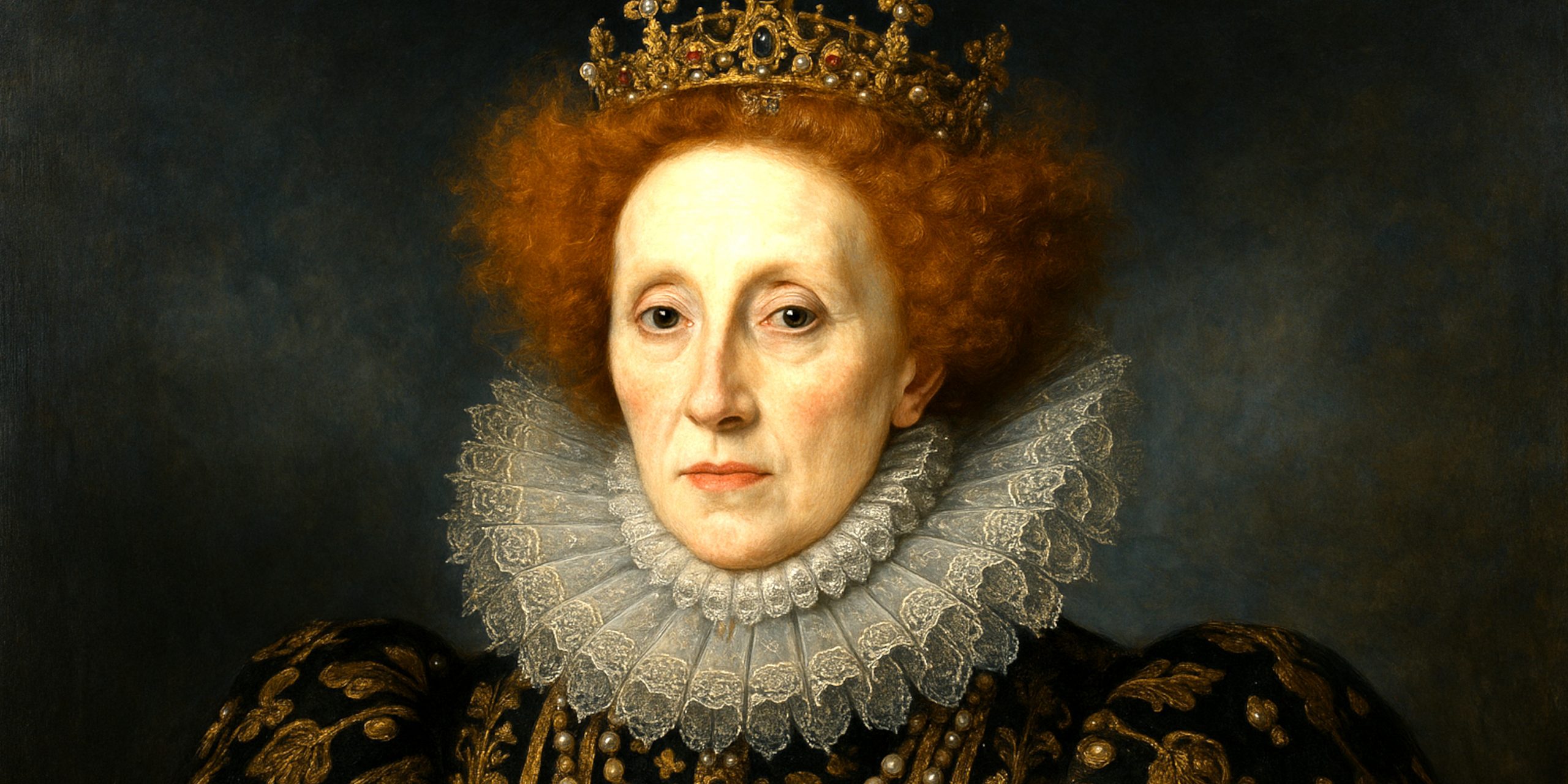
Her progresses, portraits and carefully crafted symbolism were not vanity. They were tools of rule. In a country still scarred by rebellion and religious tension, she used image and ceremony to steady nerves. She mastered the art of being seen without ever appearing predictable.
Fact 3: She kept England out of ruinous wars
For all the drama of the age, Elizabeth avoided the kind of long and expensive conflicts that could collapse a monarchy. She supported allies when it suited her, offered subsidies instead of armies and hesitated before any major commitment. Her caution frustrated her generals, but it kept England solvent.
Fact 4: She relied heavily on a small, trusted circle
William Cecil, Francis Walsingham and Robert Dudley shaped her government as much as she did. Elizabeth set the tone, but these men carried out the grind of administration. Anyone imagining a lonely queen ruling by sheer force of character has not looked closely at her council records.
Fact 5: She faced constant threats to her throne
Plots were not rare whispers but regular features of her reign. Catholic conspiracies, foreign interventions and domestic unrest kept her council on edge. Her survival owed as much to an effective intelligence network as to personal luck.
Fact 6: She never stopped negotiating her image
From the Virgin Queen to the mother of her people, Elizabeth used shifting symbols to suit shifting needs. She leaned into purity when stability was key, into strength when facing foreign threats and into mercy when calming her subjects. She shaped her own legend in real time.
Fact 7: Her rule brought cultural confidence
Shakespeare, Marlowe, Spenser and the flourishing of London’s theatres were not accidents. Elizabeth’s long and stable reign fostered an England that felt ready to assert itself. The arts thrive where people believe tomorrow is worth investing in.
The Myths
Myth 1: She despised marriage
Elizabeth did not reject marriage out of ideology. She considered it repeatedly. Each proposal forced her to balance diplomacy, succession and political risk. Her refusal to marry was a strategy, not a grand moral stance.
Myth 2: She was cold and unfeeling
Her letters tell a different story. They show warmth, irritation, affection and flashes of impatience. She could be cutting, but she could also be loyal. The emotional distance people sense in her is usually the product of political necessity.
Myth 3: She ruled alone through sheer brilliance
Elizabeth was intelligent, but she was also collaborative. She listened, delegated and occasionally stalled until problems worked themselves out. If she had ruled through ego alone, her reign would have been a very short one.
Myth 4: She hated Mary Queen of Scots
Elizabeth viewed Mary as a political problem rather than a personal enemy. The two queens never met. Their relationship was shaped through letters, ambassadors and the calculations of their advisors. Personal hatred is too simple a term for it.
Myth 5: She was a flawless monarch
Her handling of Ireland was disastrous, and her relationship with Parliament often grew sour. She manipulated favourites, overspent on the navy and allowed factional rivalries to simmer. Her strengths were real, but so were her missteps.
Myth 6: She lived an isolated life
While she avoided marriage, she was surrounded by courtiers. Her court was a hive of conversation, flattery and ambition. Isolation is the wrong word. She lived in a crowd, just not one she fully trusted.
Myth 7: She died loved by all
Many mourned her deeply, but some greeted her death with relief. The country was weary after four decades of her cautious leadership. Even her loyalists sensed the kingdom needed a fresh start. Respect, yes, but universal adoration is a later invention.
The Seven Swords Takeaway
Studying Elizabeth I sometimes feels like being dragged into a long conversation with someone who refuses to give you a straight answer. She is sharp, evasive and brilliantly theatrical. Yet the more you sift through her world, the more human she becomes. A woman navigating danger with a steady hand, aware that one mistake could topple everything. That, to my mind, is far more interesting than any legend.