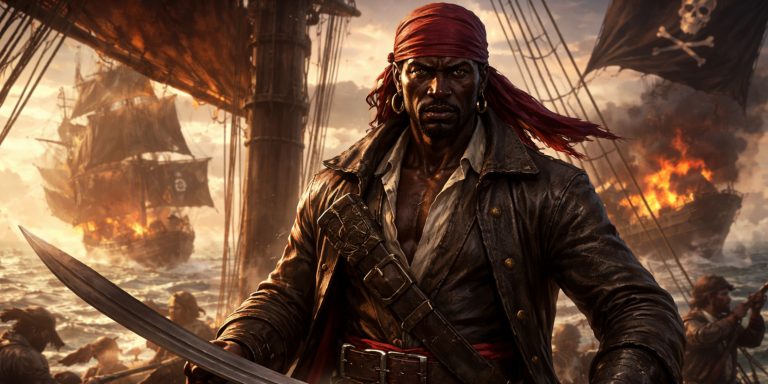
I have spent years reading about kings, rebels and reformers. Pirates are rarely afforded such seriousness. Edward England deserves it. He was not the most brutal. He was not the richest. He was certainly not the most theatrical. Yet his story offers something rare in the so called Golden Age of Piracy: a captain who hesitated when cruelty was expected.
That hesitation cost him everything.
Early Life and Background
Edward England was likely born Edward Seegar in Ireland around 1685. Little is certain about his early life, which is rather typical for pirates who rarely kept memoirs and rarely enjoyed the luxury of parish registers surviving in neat condition.
He first appears in records as a privateer during the War of the Spanish Succession. When peace arrived in 1714, many privateers found themselves unemployed but still armed and very much at sea. England was among those who turned pirate.
He joined the crew of the formidable captain Christopher Winter before eventually taking command of his own vessel.
Ships and the Capture of the Bounty
England’s first known command was the sloop Pearl, renamed Royal James in typical pirate fashion. The renaming was not subtle. Pirates liked their irony served loudly.
In 1719, off the coast of West Africa, England captured the slave ship Cadogan. After forcing its crew to join him or be set ashore, he renamed the vessel Royal James as well, perhaps for consistency, perhaps for defiance.
He later commanded a larger ship often referred to in accounts as the Bounty. This was not the later famous vessel of mutiny lore, but a separate prize taken during his career. Pirate fleets shifted constantly as ships were captured, refitted and sometimes abandoned.
England operated primarily in the Caribbean and the Indian Ocean, particularly around Madagascar, which served as a pirate haven. His flotilla could include multiple ships, giving him considerable striking power.
Weapons and Pirate Equipment
Pirates of England’s era relied on practical weapons designed for close quarters fighting.
Common arms included:
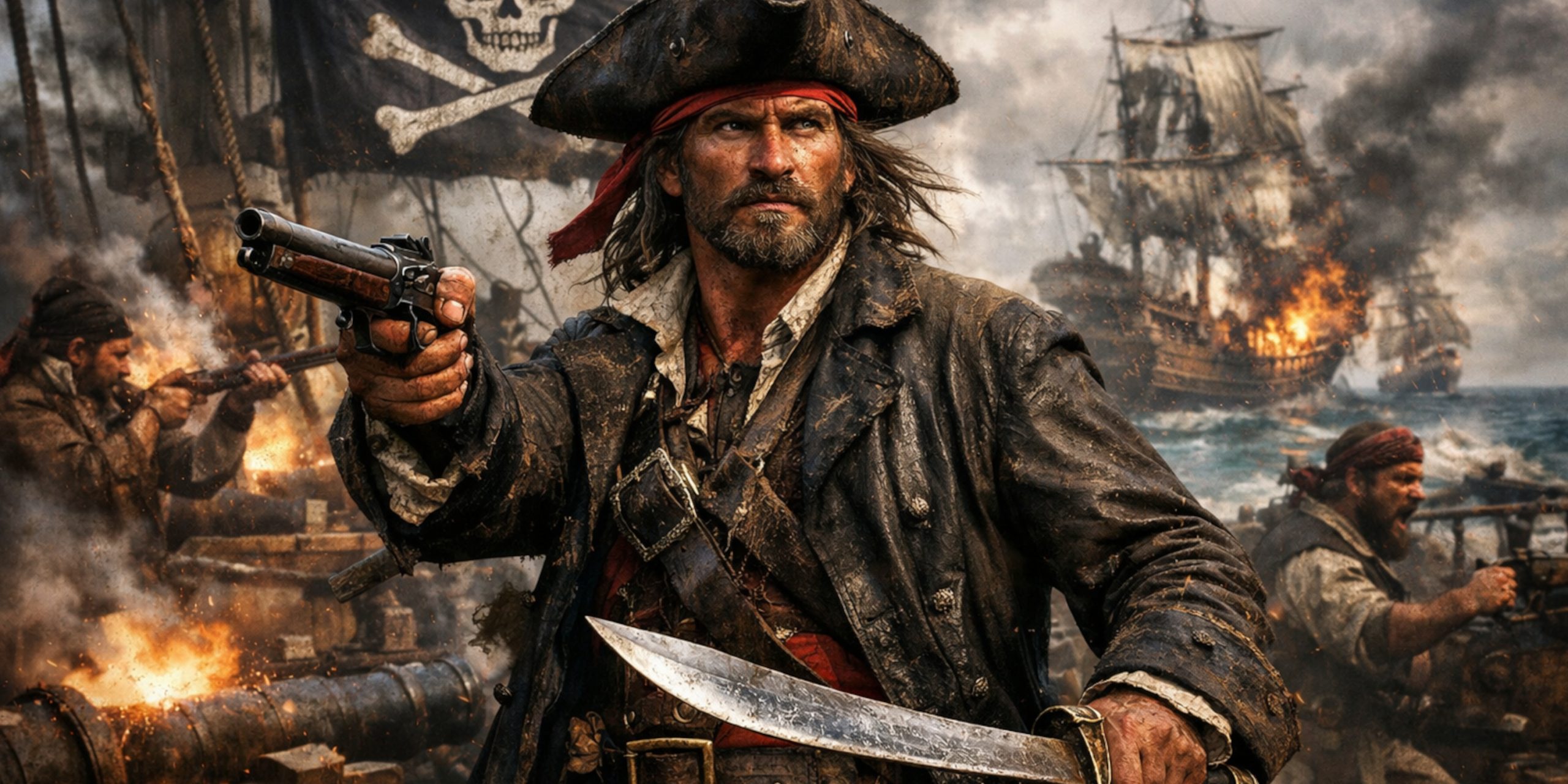
- Flintlock pistols, often carried in pairs or threes
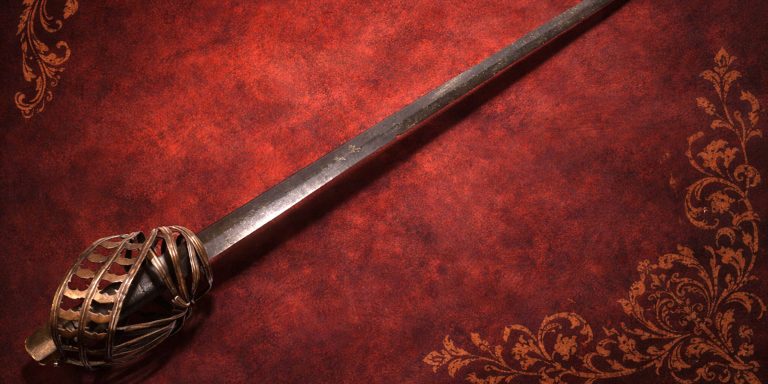
- Cutlasses, short curved blades ideal for boarding actions
- Blunderbusses for devastating short range blasts
- Boarding axes and daggers
Ships themselves were weapons. Light, fast sloops allowed pirates to chase merchantmen and flee warships. Cannon were used sparingly, as pirates preferred intimidation over destruction. A damaged prize was less profitable.
England’s Jolly Roger reportedly displayed a skull above crossed bones, a blunt symbol with a clear message.
Notable Battles and Conduct at Sea
England’s most famous encounter came in 1720 with the East Indiaman Cassandra, commanded by Captain James Macrae.
The battle was fierce. England’s ships engaged Macrae’s heavily armed vessel near the Comoros Islands. After significant damage and casualties on both sides, Macrae was forced to abandon ship. The pirates took the prize.
What followed defined England’s reputation.
Macrae was captured but not executed. England argued for mercy, reportedly stating that Macrae had fought bravely and deserved honourable treatment. According to later accounts, England declared:
“If you had not fought like a man, I would have used you like a dog.”
Macrae was eventually released.
For many pirates, this was intolerable softness.
Mutiny and Exile
Mercy is not always admired in lawless company.
England’s quartermaster and crew, furious that valuable prisoners were spared, deposed him. Pirate captains ruled by consent. Once that consent vanished, so did authority.
He was marooned on the island of Mauritius with a handful of loyal supporters. Supplies were minimal. The Indian Ocean is not forgiving.
Unlike some dramatic tales, there was no triumphant return. No buried treasure reclaimed in secret. England survived long enough to reach Madagascar but died in poverty around 1721.
A former captain reduced to dependence on former subordinates. It is not a cheerful ending.
Treasure and Bounty
England did capture valuable prizes, particularly in the Indian Ocean trade routes. These included:
- East India Company cargo
- Merchant goods including textiles and spices
- Coin and bullion
However, he did not accumulate legendary treasure hoards comparable to figures like Henry Every. Pirate wealth was typically divided quickly among the crew. Survival and immediate profit mattered more than long term fortune.
If England buried treasure, no reliable evidence confirms it.
Contemporary Accounts and Reputation
Most of what we know comes from the 1724 volume A General History of the Pyrates, attributed to Captain Charles Johnson, likely a pseudonym. This text shaped much of pirate mythology.
Johnson portrays England as unusually humane, even suggesting that his leniency undermined him. While such sources must be read carefully, they align with the Macrae episode and his eventual removal.
James Macrae himself later acknowledged England’s restraint, an unusual compliment from a man whose ship had just been taken.
Character and Legacy
Edward England was not a hero. He participated in slave ship seizures and violent maritime crime. Yet compared to contemporaries such as Edward Low, whose cruelty became notorious, England appears restrained.
That restraint was fatal to his career.
His story complicates the usual pirate caricature. He was neither purely villain nor romantic rebel. He was a captain navigating brutal expectations in a brutal world, and he misjudged what his men valued.
As someone raised among the grey stones and quieter histories of York, I find his downfall oddly human. History is full of men undone not by failure in battle, but by temperament.
Fate and Historical Significance
Edward England died obscure and poor, probably in Madagascar, sometime in 1721. No marked grave survives. No grand legend cloaks his passing.
Yet he remains significant because he reveals the internal politics of pirate crews. Authority was conditional. Reputation mattered. Violence was currency.
He chose mercy once, perhaps twice.
His crew chose profit.
In the end, that was the difference.