
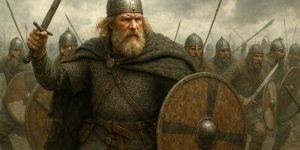
Harald “Bluetooth” Gormsson, king of Denmark and parts of Norway in the late 10th century, remains one...
Vikings
The Viking Era, roughly late eighth to mid eleventh century, marks a restless chapter in European history. Norse sailors pushed out from Scandinavia not only to raid but to trade, settle, and argue loudly about law. Monks noticed first. “Never before has such terror appeared in Britain,” wrote Alcuin of York in 793, sounding like a man who had just lost his roof. Further east, Ibn Fadlan observed their funerals with fascination and clear discomfort. From longships to marketplaces, the Vikings were less chaos incarnate and more highly motivated neighbours with excellent boats.

Leif Eriksson’s sword in Vikings: Valhalla is more than a weapon. It reflects his Norse heritage, the...
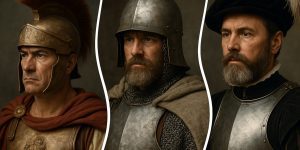
Across millennia of warfare, certain individuals have stood out not just for their battlefield prowess, but for...

Vikings: Valhalla continues the legacy of its predecessor by delivering a visually rich world of sword clashes,...
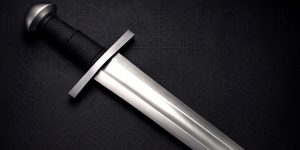
The Petersen Type X is one of the most recognisable Viking Age sword types, emerging during the...

Vikings: Valhalla delivers a raw, cinematic take on Viking conflict, blending historical grit with choreographed violence. The...

The Vikings: Valhalla series, set in the early 11th century, features an array of historically inspired weapons...

Halfdan Ragnarsson remains one of the most enigmatic yet consequential Viking leaders of the 9th century. As...
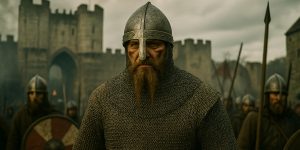
The Viking siege and capture of York in 866 was a defining moment in the Norse incursions...

European swordsmanship did not emerge in isolation, nor did it develop in a straight line. Across centuries,...