Britannia never pretended to be a faithful documentary on Iron Age Britain. That is part of its charm. The show leaps head first into Celtic myth, Roman anxiety and drug-laced mysticism, then stirs the whole thing until it feels half history lesson and half fever dream. I watched it with equal parts fascination and the faint worry that I was about to be initiated into something I did not fully sign up for.
What follows is a clear breakdown of how Britannia handles Celtic mythology, where it stays close to real beliefs and where it races off into its own world.
The Worldview Behind The Show
Celtic cultures saw the boundary between the natural and supernatural as thin. Spirits, omens and gods were believed to nudge daily life. Britannia exaggerates this until everything feels touched by unseen forces. It works because it keeps the characters on edge and the audience slightly unsure who is pulling the strings.
The show leans into a sense of living inside a myth, rather than hearing one told second hand. Even the Romans seem unsettled by the land itself.
Druids, Trances And Visions
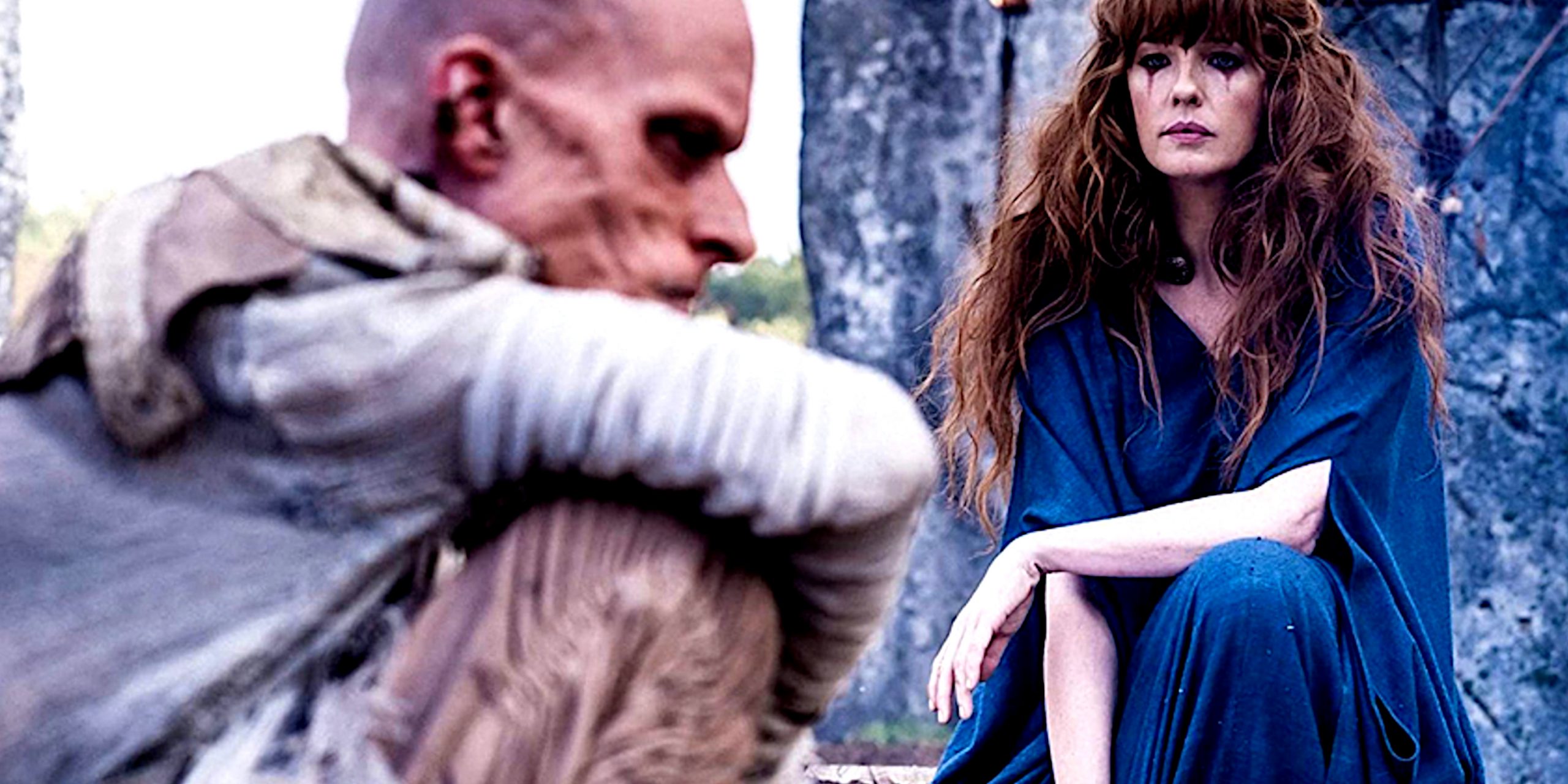
The druids were real, although far less chaotic than the show presents. In Britannia they operate like a secretive elite who combine priest, sorcerer and political puppeteer in one job description. The series takes artistic freedom and gives them abilities that go far beyond historical evidence.
You will see:
- characters falling into visions brought on by ritual or herbs
- prophecies delivered as if the universe was texting them directly
- a hierarchy of druids that feels more like a mystical corporation than a priesthood
Historical druids did interpret omens and run rituals, but they did not summon storms with hand gestures or casually teleport into dreamscapes. Still, it is great television and it helps the story lean into its own logic.
The Gods Reimagined
Britannia rarely names deities directly. Instead it folds several Celtic god-types together and turns them into looming presences. They are hinted at in dreams, in nature and in whispered threats.
Real Celtic religion had many local gods linked to rivers, hills and tribes. The show simplifies this and builds a spiritual system based on emotional power. Rage, fear, grief and devotion become the currency the gods respond to. It feels dramatic and slightly unsettling, which is exactly what the series wants.
The Dead, The Demons And The In-Between
Celtic myth has rich ideas about the Otherworld. It was not a place of simple reward or punishment. It was more like a neighbouring realm with its own rules. Britannia borrows this and lifts it into something darker.
The show introduces entities that behave like demons and spirits who influence the living. They are not authentic to historical belief but they echo fragments of old Celtic storytelling where heroes passed between worlds or faced beings with shifting forms.
As a viewer, you learn to accept that if someone has died on screen they might still appear again, possibly with worse timing than before.
The Roman Perspective
One of the most entertaining angles is how the Romans respond to all this. They bring their own gods, their own logic and their own frustration. Britannia treats them almost like the audience. They try to label what they see, only to realise the locals do not care about their categories.
This contrast is grounded in history. Roman writers often described Celtic beliefs as wild, intimidating and confusing. The show takes that impression and gives it teeth.
What Britannia Gets Right
- The importance of ritual and landscape
- The idea that power came from more than brute force
- The social weight druids carried in pre-Roman Britain
- The belief that the natural and supernatural were interconnected
Where It Goes Full Fantasy
- Visions that work like full cinematic flashbacks
- Physical magic woven into everyday scenes
- Veiled immortals who manipulate events
- An organised mystical hierarchy that feels too neat for the period
The show never hides the fact that it is telling a mythic story rather than a reconstruction of Celtic religion. It filters history through a modern imagination that enjoys the surreal edge.
Britannia thrives because it treats Celtic mythology as living energy rather than museum material. The characters believe in their world with absolute conviction. That belief pulls you in, even when the details wander far from actual Iron Age practice.
As someone who loves both history and strange television, I appreciated how the show refuses to apologise for its style. It builds a Britain that feels ancient, unpredictable and slightly unhinged, then invites you to enjoy the ride.
Seven Swords Taleaway
If you want a strict account of Celtic religion, you will not find it here. What you get instead is a bold remix that draws inspiration from fragments of myth and archaeological hints, then pushes them into a high-stakes story. It is messy, imaginative and strangely compelling.
Britannia is not trying to teach you the past. It is trying to make you feel it, even when the details have been stretched until they crack. I respect the confidence, even if I occasionally muttered at the screen like a frustrated history teacher.