There are few subjects I return to as often as medieval castles. Some scholars prefer manuscripts or trade records, yet I find the stones themselves far more persuasive. A castle does not pretend. It reveals power, fear, pride and ingenuity with a frankness that makes the medieval world feel close enough to touch. What follows is an expanded selection of twenty great castles, chosen for their influence, character and the way they speak across the centuries.
Windsor Castle, England
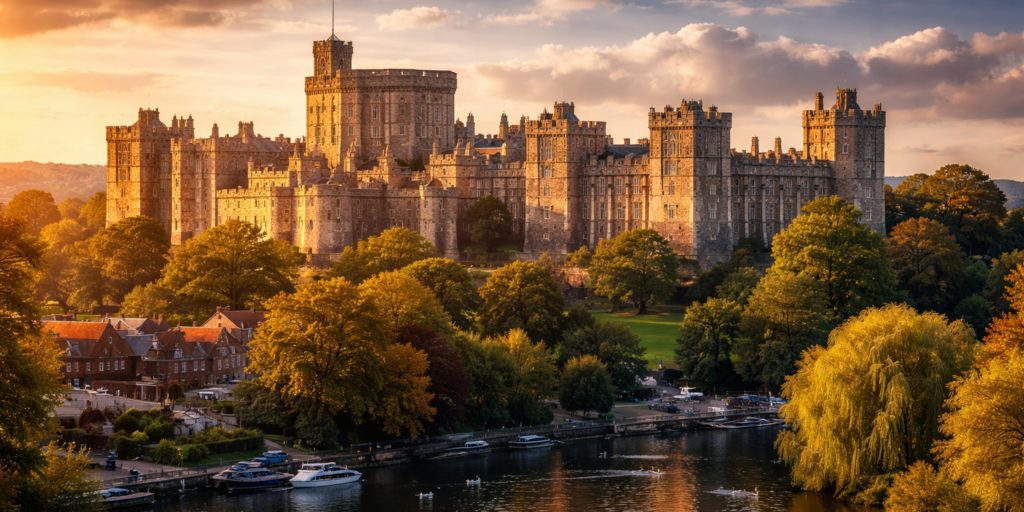
Founded: 1070s
Key Info: Built by William the Conqueror as a strategic ring fort around London. It grew into a major royal residence by the thirteenth century and has remained continuously occupied. The Round Tower, rebuilt by Edward III, became a symbol of Plantagenet might. Later monarchs remodelled heavily, but the medieval footprint remains.
Krak des Chevaliers, Syria
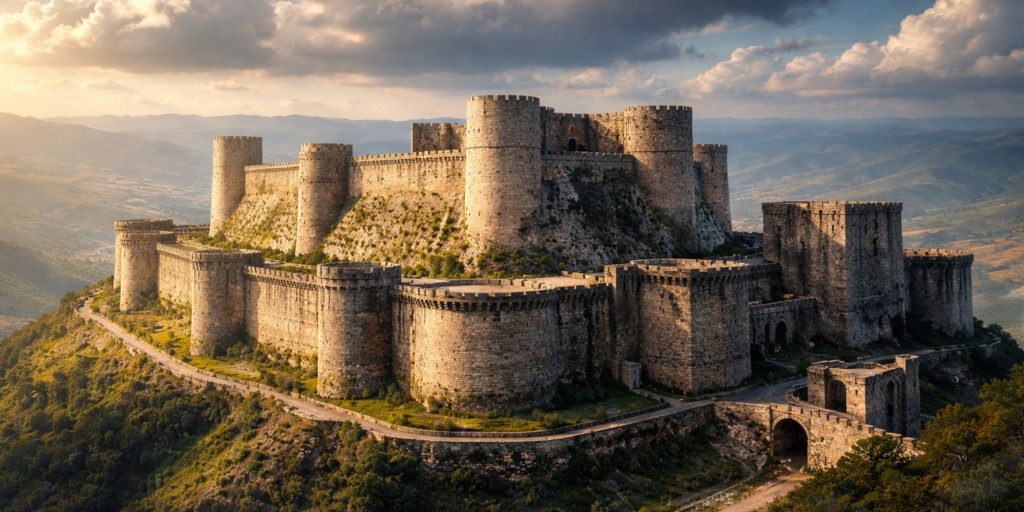
Founded: Early 1100s
Key Info: Captured by the Hospitallers in 1142 and turned into the most advanced crusader fortress in the Levant. Its concentric design, vaulted halls and protected ramp system were centuries ahead of many European equivalents. It fell to the Mamluks in 1271.
Château de Pierrefonds, France
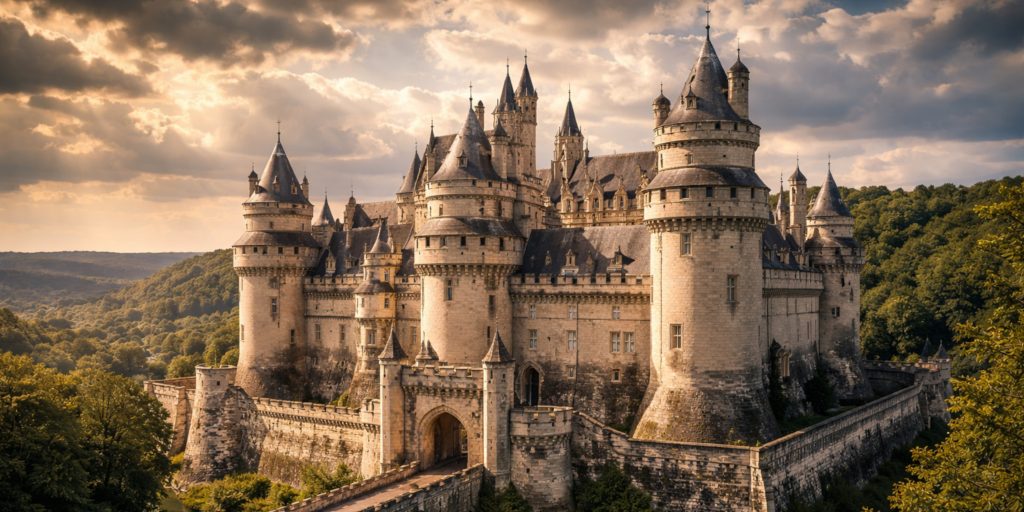
Founded: Late 1300s
Key Info: Constructed for Louis of Orléans. Dismantled in the seventeenth century during the age of Richelieu, then dramatically restored in the nineteenth century by Viollet le Duc. The core structure remains medieval, despite the later theatrical touches.
Himeji Castle, Japan
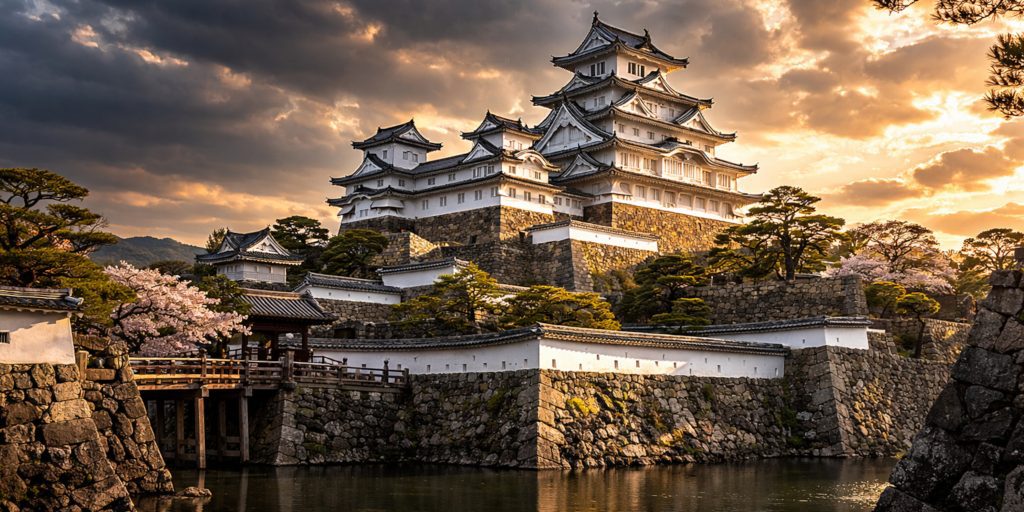
Founded: First fort built 1333. Major rebuild 1580s to 1609.
Key Info: A masterpiece of Japanese castle design. While the current form reflects early modern advances, the layered baileys and defensive approaches trace back to medieval prototypes. It survived earthquakes and war with minimal damage.
Alhambra, Spain
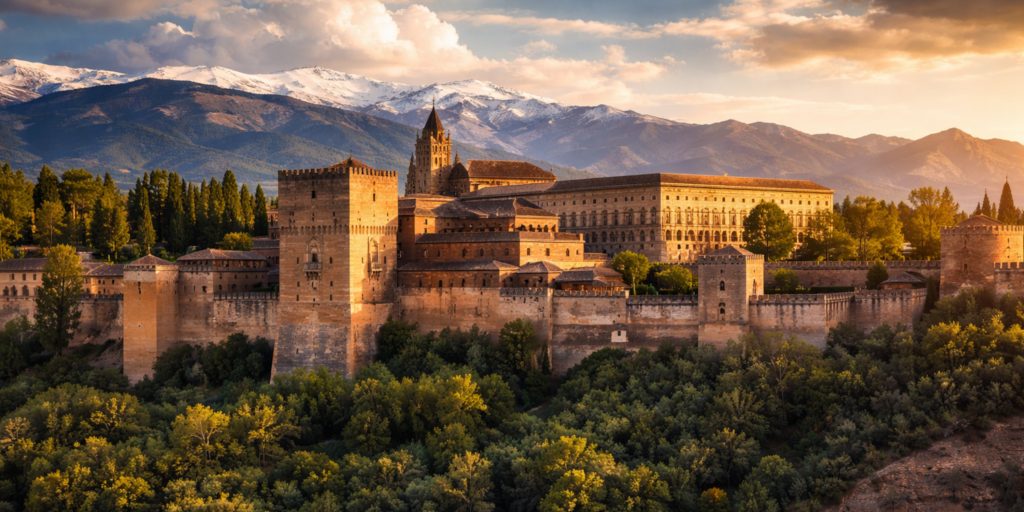
Founded: Core fortifications from the mid thirteenth century
Key Info: The Nasrid dynasty shaped it into a palace fortress combining military strength with some of the most refined Islamic architecture in Europe. It remained in use long after the Reconquista and became a symbol of Andalusian heritage.
Edinburgh Castle, Scotland
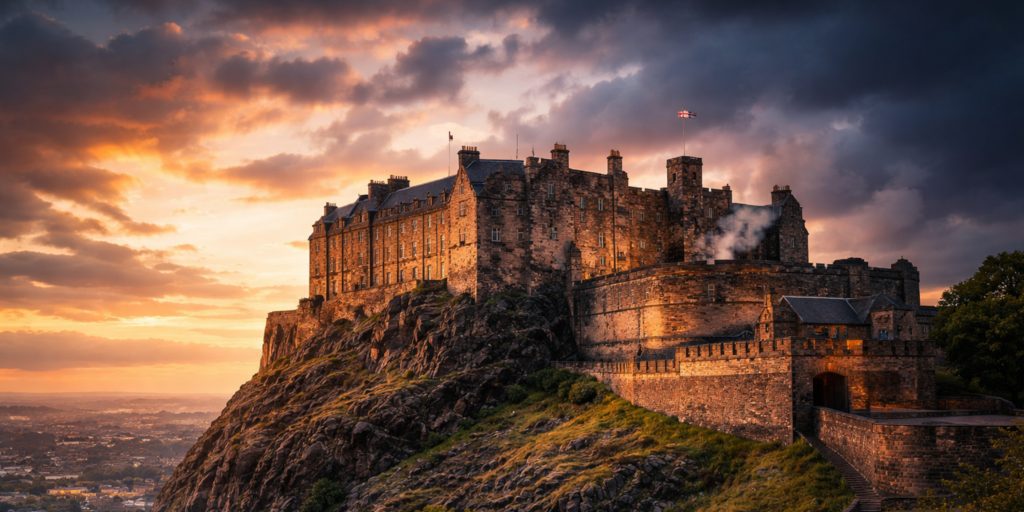
Founded: Earliest fortification around the sixth century. Medieval castle developed from the twelfth century onward.
Key Info: A royal stronghold for Scottish kings, especially during the Wars of Independence. David’s Tower and the Great Hall remain key medieval survivals. The castle’s position made it the anchor of Scottish resistance.
Malbork Castle, Poland
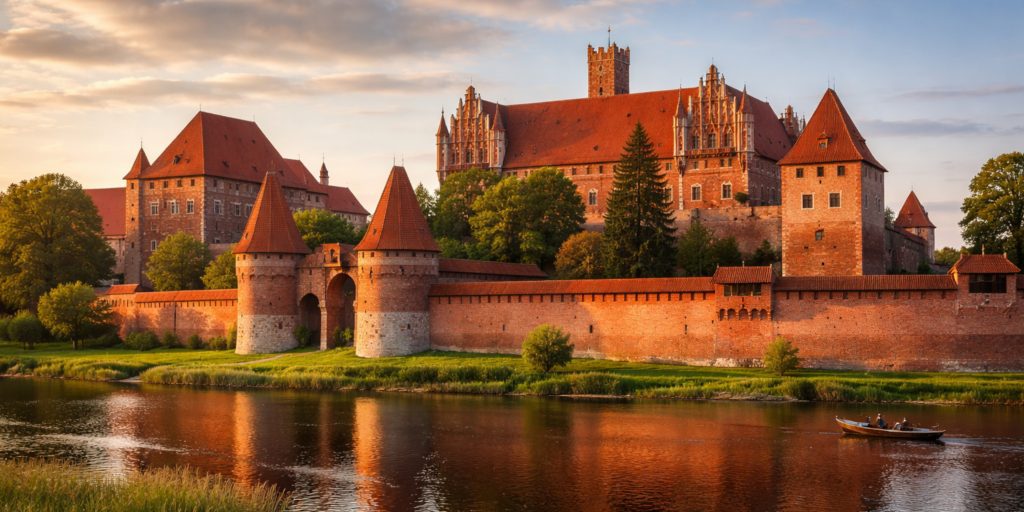
Founded: Construction began 1274
Key Info: Headquarters of the Teutonic Order. The largest brick castle in the world. Its High Castle, Middle Castle and Lower Castle formed an enormous administrative and military hub. Later absorbed by the Polish crown in the fifteenth century.
Carcassonne, France
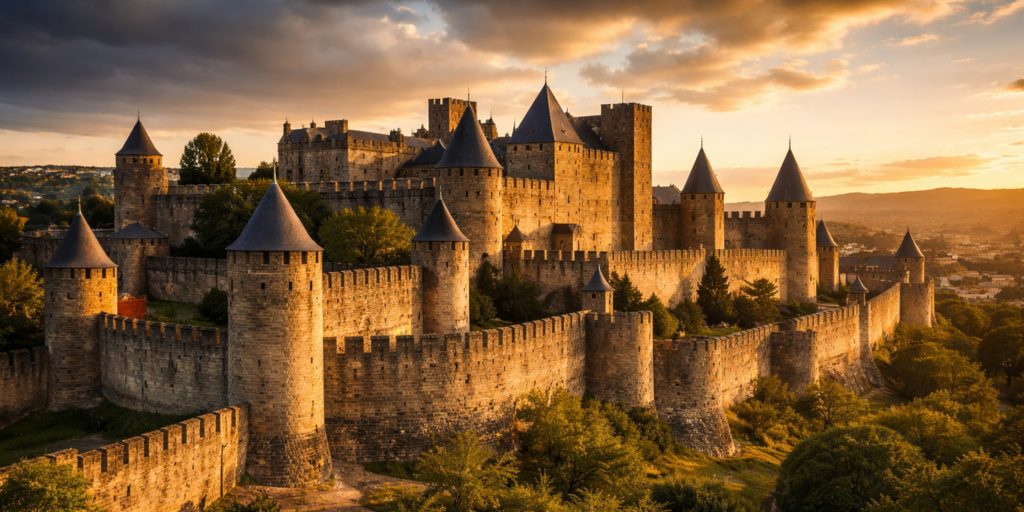
Founded: Fortified from the late Roman period, medieval form from the twelfth to fourteenth centuries
Key Info: A major Languedoc stronghold. The double walls and watchtowers were developed during periods of conflict between the French crown and local powers. Restoration in the nineteenth century returned it to its dramatic outline.
Tower of London, England
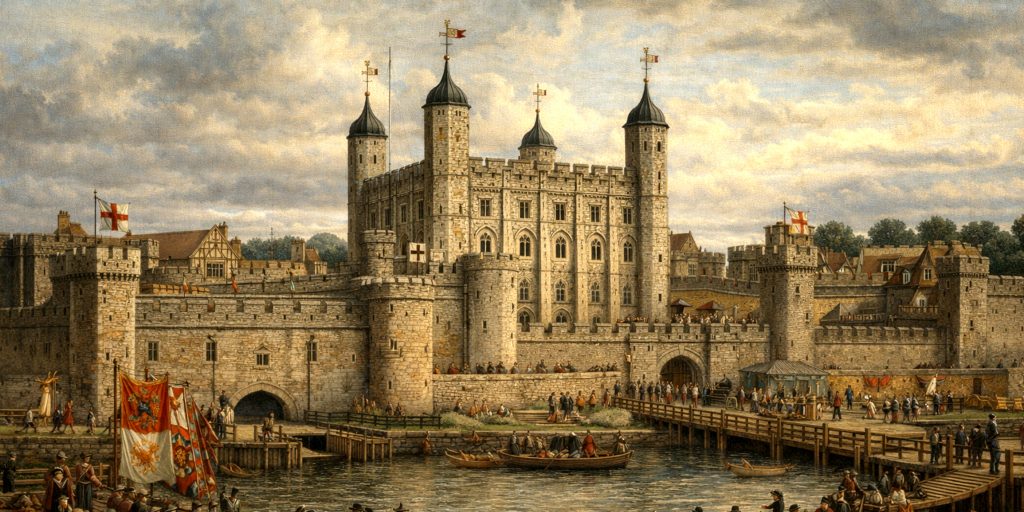
Founded: 1070s
Key Info: Began with William the Conqueror’s White Tower. Grew into a complex of prisons, royal apartments and armouries. Played central roles in the reigns of Richard III, Henry VIII and the Tudor succession crises.
Bran Castle, Romania
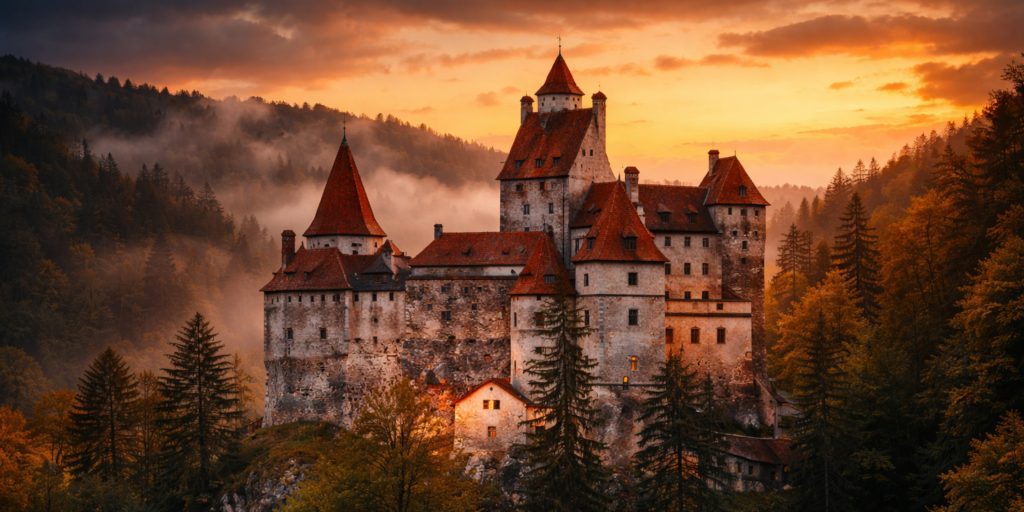
Founded: Late 1300s
Key Info: Built to defend a mountain pass between Transylvania and Wallachia. Though loosely connected to Vlad the Impaler, its true importance lay in its customs role and strategic oversight of the Bran Gorge.
Castel del Monte, Italy
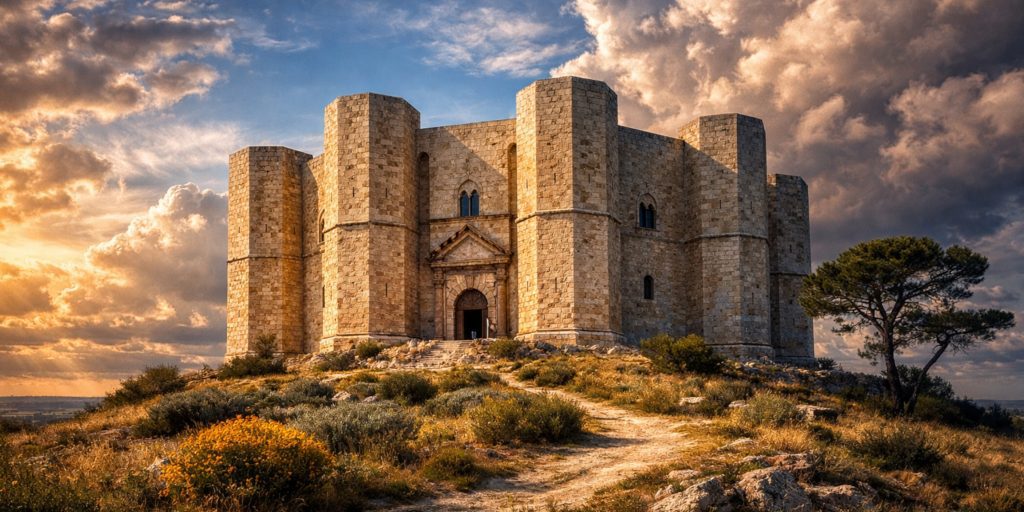
Founded: 1240s
Key Info: Commissioned by Frederick II. Perfect octagonal design with mathematical precision. Rarely used as a military fortress, more a symbolic architectural statement. UNESCO describes it as a unique blend of classical and medieval influence.
Cardiff Castle, Wales
Founded: Norman motte built 1090s
Key Info: Built on top of a Roman fort. The medieval shell keep remains the castle’s core. Later Victorian expansions added elaborate interiors, but the original Norman and later Welsh Marcher structures still stand clearly.
Burg Eltz, Germany
Founded: Twelfth century
Key Info: One of the best preserved German castles. Survived wars that destroyed many others. Owned by the same family since its earliest days. Its unusual clustered form reflects centuries of family divisions and cohabitation.
Prague Castle, Czech Republic
Founded: Ninth century, medieval development from the twelfth century onward
Key Info: A royal seat of the Přemyslid, Luxembourg and Habsburg dynasties. The medieval sections include the Old Royal Palace and fortifications that shaped Central European politics for centuries.
Conwy Castle, Wales
Founded: Built between 1283 and 1289
Key Info: One of Edward I’s iron ring of castles designed to suppress Welsh resistance. Its eight towers and strong curtain walls remain among the most intact examples of thirteenth century military architecture.
Bodiam Castle, England
Founded: 1380s
Key Info: Built by Sir Edward Dalyngrigge, partly for defence during the threat of French raids and partly as a symbol of status. Its moat and symmetry lean toward display, yet the shooting galleries and gatehouse were genuinely functional.
Alcázar of Segovia, Spain
Founded: Twelfth century
Key Info: Royal fortress of Castile and later home of Isabella I. Its pointed towers and dramatic cliff top position define Spanish medieval architecture. Remodelled several times but retains its medieval core.
Blarney Castle, Ireland
Founded: Original structure around 1200, rebuilt 1440s
Key Info: The large tower house that survives today was constructed by the MacCarthy dynasty. Known for the famous stone, but the keep and battlements remain important examples of late medieval Irish fortification.
Trakai Island Castle, Lithuania
Founded: Fourteenth century
Key Info: Built by the Grand Dukes of Lithuania to counter the Teutonic Order. Served as a vital defensive hub in the Baltic. Destroyed in the seventeenth century, later reconstructed with respect for medieval design.
Mont Saint Michel, France
Founded: Abbey founded eighth century, fortified from the tenth to fifteenth centuries
Key Info: A remarkable blend of religious and military architecture. The abbey became an impregnable fortress during the Hundred Years War. Rising above tidal flats, it served as a symbol of French resilience.and abbeys combined. The way it rises from the tidal flats feels almost improbable. The medieval monks and builders created a layered fortification that still arrests the eye from miles away.
The Seven Swords Takeaway
Castles are more than stone. They are condensed expressions of medieval identity, shaped by fear of invasion, desire for prestige or the need to govern. These twenty sites each reveal a different aspect of that world. Some overwhelm with scale, others charm through detail, but all reward the patient visitor who walks slowly, looks carefully and listens for the echoes that linger in the quieter corners.