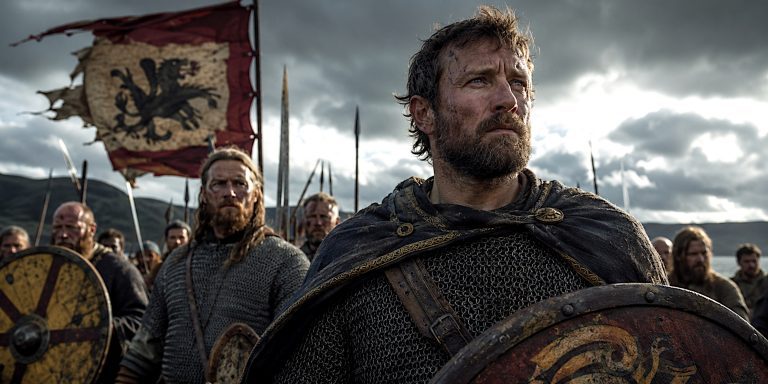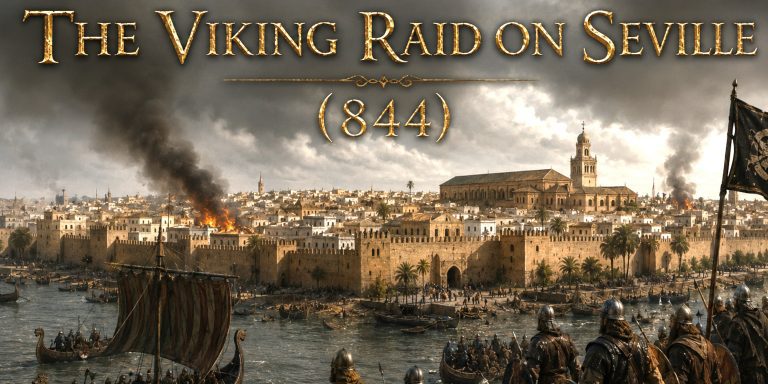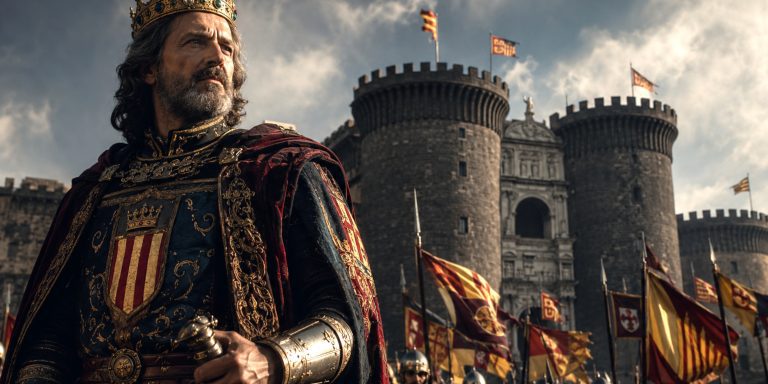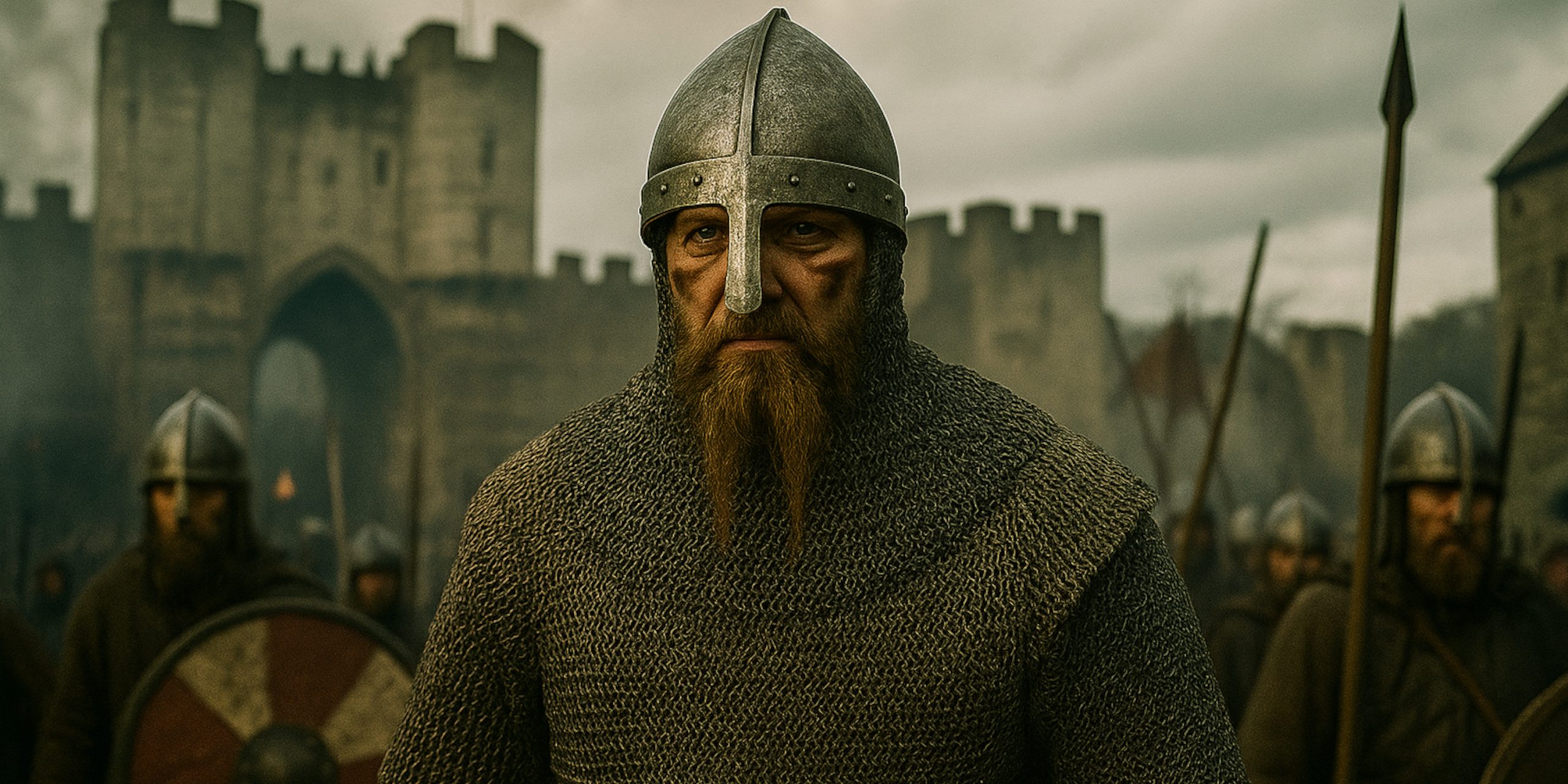
The Viking siege and capture of York in 866 was a defining moment in the Norse incursions into Anglo-Saxon England. Carried out by the Great Heathen Army, it marked a shift from coastal raiding to sustained occupation. The fall of York gave the Danes a stronghold in Northumbria and became a central base for further campaigns. The city would remain under Norse control for much of the next century.
This article outlines the forces involved, weapons used, archaeological discoveries, a timeline of events, and primary sources from the time.
Context and Prelude
York, known to the Vikings as Jórvík, was a major ecclesiastical and economic centre in Northumbria. By the mid-9th century, Northumbria was in a state of internal strife. Two rival kings, Ælla and Osberht, vied for the throne, weakening the kingdom just as the Viking threat intensified.
In 865, the so-called Great Heathen Army landed in East Anglia. By 866, led by Ivar the Boneless and Halfdan Ragnarsson, they marched north to target York.
Forces
Viking Forces
| Commander | Approx. Troop Estimate | Origin |
|---|---|---|
| Ivar the Boneless | 1,000–3,000 warriors | Denmark/Norway |
| Halfdan Ragnarsson | 1,000–3,000 warriors | Denmark/Norway |
- Composed of seasoned warriors, including veterans of earlier raids.
- Likely included a mix of Danes and Norwegians, possibly with some Anglo-Scandinavian recruits from earlier campaigns.
Anglo-Saxon Forces
| Commander | Approx. Troop Estimate | Region |
|---|---|---|
| King Ælla | 1,500–2,000 warriors | Northumbria |
| King Osberht | 1,500–2,000 warriors | Northumbria |
- Eventually united against the invaders, but only after initial division.
- Troops mostly comprised of local levies and household retainers.
Arms and Armour
Viking Equipment
- Weapons: Iron-bladed swords, bearded axes, spears, seaxes.
- Defensive Gear: Round shields (often painted), iron helmets with spectacle guards, occasional mail shirts.
- Tactics: Shield wall formations, coordinated skirmishing, urban assault through breaches or weak gates.
Anglo-Saxon Equipment
- Weapons: Spears were most common, followed by swords and hand axes.
- Defensive Gear: Round or oval shields, mail coats among nobles, conical helmets.
- Tactics: Shield wall and static defence, but lacked the siege experience of the Norsemen.
Archaeology
York is one of the richest Viking archaeological sites in Britain. Discoveries at Coppergate and other digs have yielded a wealth of material:
- Jórvík Viking Centre is based on findings at the Coppergate site. Artefacts include combs, shoes, tools, gaming pieces, and human remains.
- Weapons and tools: Spearheads, fragments of swords, and woodworking implements found in riverbanks and midden layers.
- Burials: Some Norse-style graves have been uncovered with Scandinavian goods and personal items.
- Urban Layout: Evidence of street planning and building reuse suggests a swift Norse integration into city life.
Battle Timeline

Autumn 866
- Great Heathen Army marches north from East Anglia.
- York, lightly defended due to civil conflict, is swiftly taken.
Early 867
- Ælla and Osberht reconcile and launch a joint assault to reclaim the city.
- They manage to breach York’s outer defences. Vikings lure them into a trap inside the city.
21 March 867 (approximate)
- Battle erupts within the city walls.
- Both Northumbrian kings are killed.
- Viking victory secures York permanently.
Contemporary Accounts and Quotes
The Anglo-Saxon Chronicle records:
“And that winter the army went into Northumbria to York; and it was about midwinter when they came in, and the Northumbrians made peace with them.”
Symeon of Durham, writing later but drawing on older sources, said:
“And they stormed the city with great violence, broke through its defences, and took it, slaying a multitude.”
Asser, biographer of Alfred the Great, described the army’s movements:
“The pagans wintered in York, which they had taken by force, and made it their stronghold.”
Legacy
The Viking victory at York marked the collapse of Northumbrian independence. From 867, the city became the heart of the Danelaw in the north. It flourished as a Norse trading hub and retained a strong Scandinavian character even after English reconquest.
The siege laid the groundwork for future Viking kingdoms in Britain. Norse rulers issued coinage from York, and their political control lasted in various forms until the Norman Conquest. Today, York’s Norse heritage is one of its most defining features.
Where to See Artefacts
- Jórvík Viking Centre, York – Reconstruction and preserved artefacts from Coppergate.
- Yorkshire Museum – Coins from the Viking kingdom of York, weapons, and grave goods.
- British Museum, London – Includes Anglo-Scandinavian finds linked to Northumbria.
The siege of York was less a one-off battle and more the opening chapter in the Viking transformation of northern England. Its success was due not just to the military prowess of the invaders, but also to the deep divisions among the defenders. The consequences reshaped English history for generations.