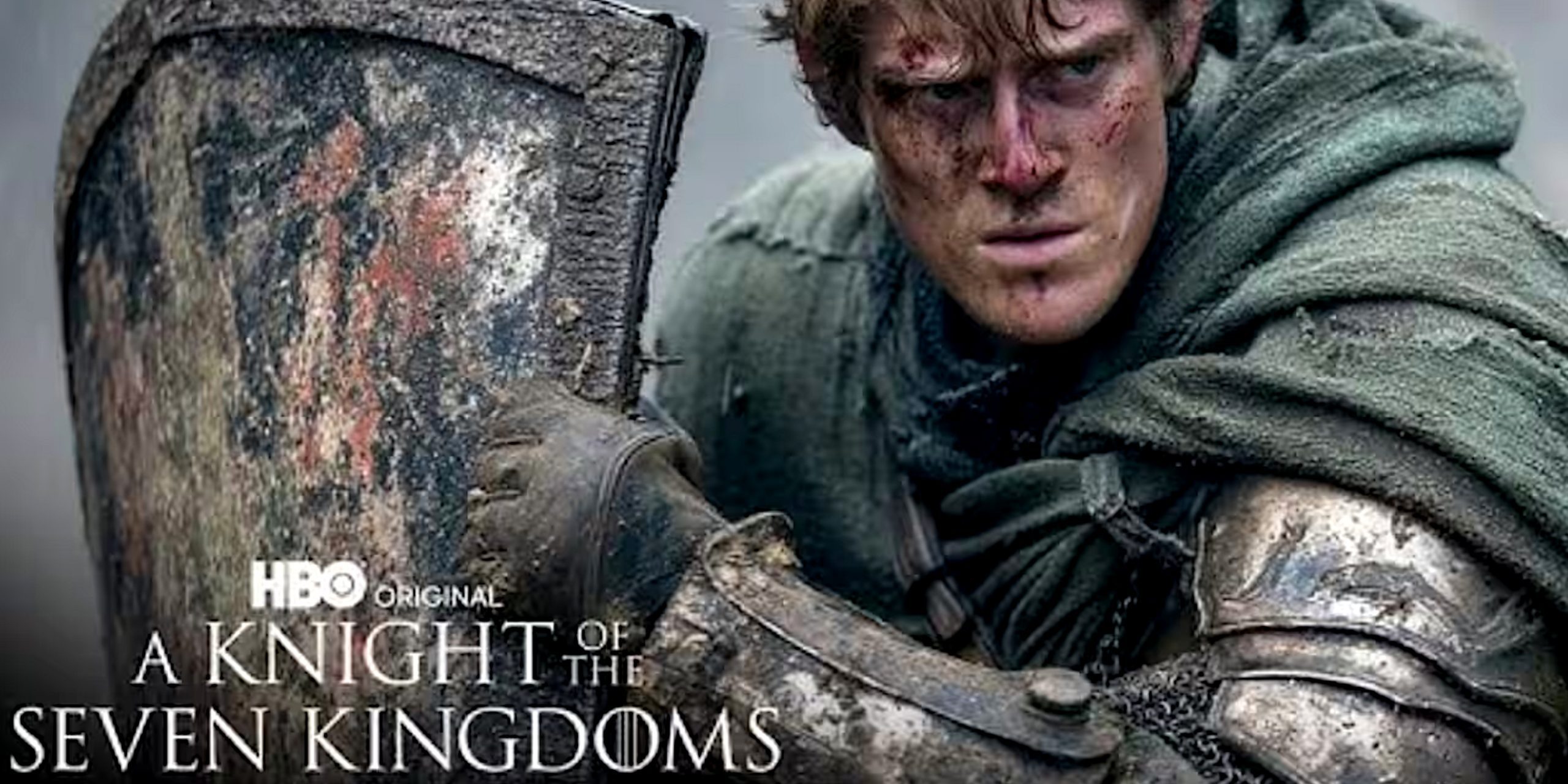
The critical conversation around A Knight of the Seven Kingdoms has been noticeably calmer than past Westeros launches, and that feels intentional. This is a series built on restraint rather than escalation, and reviewers have largely met it on those terms. Instead of asking whether it can top dragons or dynastic collapse, critics seem more interested in whether it understands why the Dunk and Egg stories have endured.
So far, the answer appears to be yes, with caveats.
Aggregate Scores and Critical Metrics
The headline numbers tell a clear story, and they matter because this franchise lives under constant comparison.
At the time of early release reviews
- Rotten Tomatoes (critics): around 95 percent approval, placing it among the strongest reviewed Westeros entries at launch
- Rotten Tomatoes (audience): notably lower, reflecting a split response from general viewers
- Metacritic (critics): low to mid 70s, categorised as generally favourable rather than universal acclaim
Rotten Tomatoes’ critics’ consensus leans heavily towards praise for tone, character work, and fidelity to the novellas, while Metacritic’s more conservative scoring reflects a wider spread of opinion. Publications contributing to these scores include The Guardian, Empire, The Hollywood Reporter, Variety, and IGN, many of whom praised the show’s confidence in telling a smaller story.
The gap between critic and audience scores is one of the most interesting signals here. It suggests appreciation grows when expectations are adjusted.
What Critics Are Responding To
Across major outlets, several themes keep surfacing.
Focus points frequently highlighted
- A grounded, almost old fashioned approach to fantasy storytelling
- Strong chemistry between Dunk and Egg, often cited as the show’s anchor
- Dialogue that prioritises character over exposition
- A welcome absence of forced spectacle
Empire described the series as refreshingly sincere, while The Guardian noted that its moral simplicity feels deliberate rather than naive. Variety leaned into its craftsmanship, pointing out that the show trusts quiet moments in a way modern franchise television often avoids.
There is also repeated praise for adaptation discipline. Critics appreciate that the series does not overextend its source material or inflate stakes just to justify its existence.
Audience Response and Points of Division
Viewer reactions have been more divided, and that shows clearly in audience scores on Rotten Tomatoes and user ratings on Metacritic.
Common audience talking points include
- Appreciation for humour and warmth
- Frustration with pacing and limited plot twists
- Surprise at how little the show resembles peak Game of Thrones energy
This split is not necessarily a problem. In fact, it may be a sign the series is doing exactly what it set out to do. Several reviewers at IGN and Vulture noted that audience satisfaction seems closely tied to whether viewers come in expecting character drama rather than epic fantasy.
Comparisons with Other Westeros Series
Inevitably, critics have measured this series against Game of Thrones and House of the Dragon. The comparison has been more generous than hostile.
Critical contrasts tend to focus on
- Personal honour versus political brutality
- Travel and tourneys instead of court intrigue
- Emotional intimacy rather than tragic inevitability
While House of the Dragon earned praise for intensity and scale, several outlets including The Hollywood Reporter suggested A Knight of the Seven Kingdoms may prove more rewatchable precisely because of its lighter touch.
Critical Reservations
Even positive reviews tend to flag similar concerns.
Repeated cautions include
- Stakes that may feel too low for some viewers
- A pace that rewards patience but risks losing casual audiences
- Reliance on affection for the source material
Metacritic’s mid range score reflects these reservations. Critics who scored it lower generally did so because they wanted sharper narrative tension, not because of weak execution.
Overall Critical Mood
The prevailing mood is quietly confident rather than ecstatic. Critics are not hailing A Knight of the Seven Kingdoms as a reinvention of fantasy television, but many are clearly relieved to enjoy Westeros without feeling emotionally mugged every episode.
Speaking personally, this feels like one of the rare franchise entries that understands its own scale. It knows that a good story does not always need an existential threat, sometimes it just needs decent people making flawed decisions on dusty roads. The numbers back that up, even if not everyone is on board yet.
If these early scores hold, the series may end up remembered less as a blockbuster and more as a comfort favourite, which in this universe might be the boldest move of all.