The Anglo-Saxon Chronicle Explained
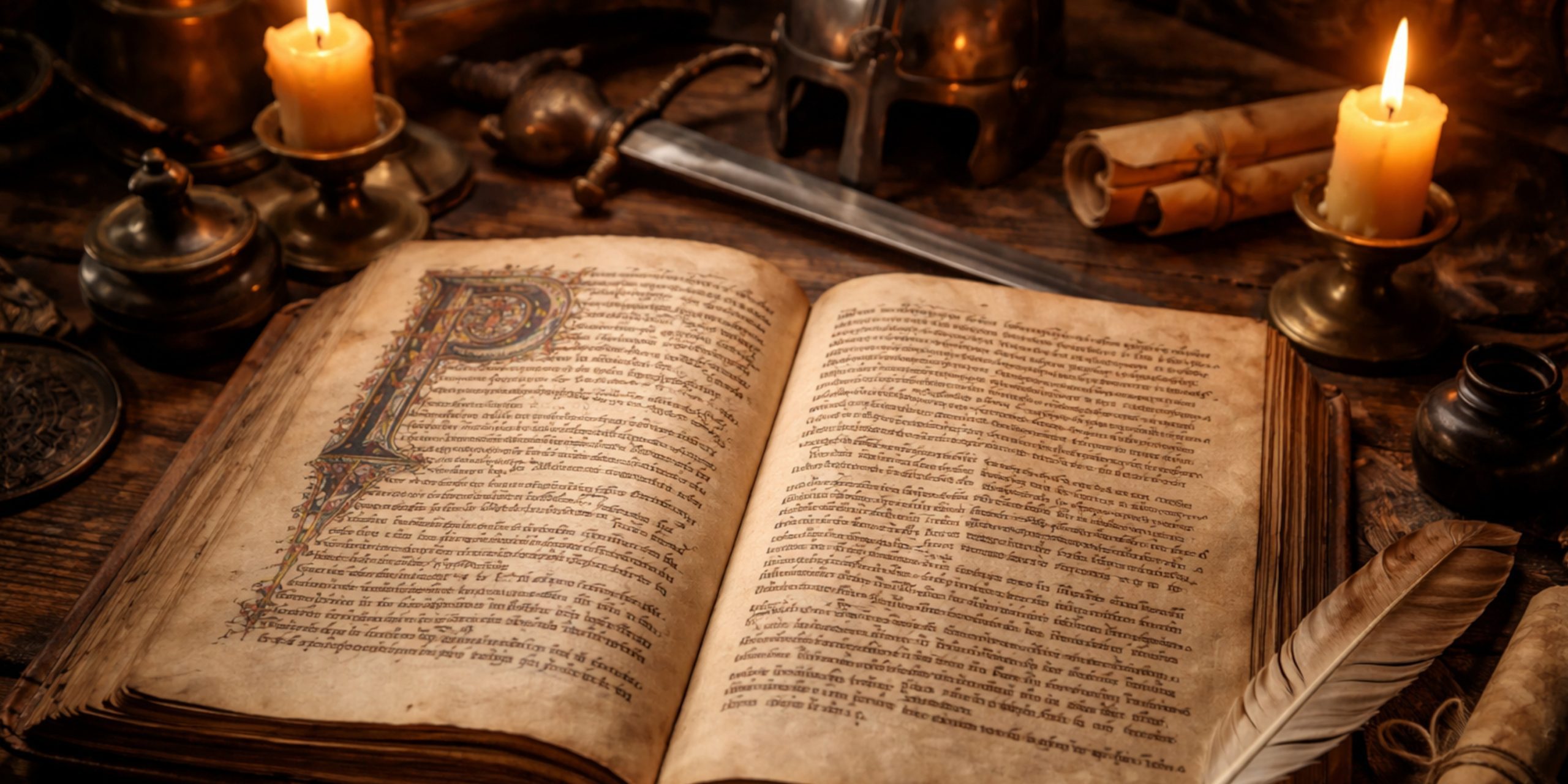
The Anglo-Saxon Chronicle is not a single tidy book you can summarise and move on from. It is a long, messy, deeply human record of how early England understood itself. Written and copied across several centuries, it captures battles, kings, disasters, and moments of quiet change with a blunt honesty that modern historians both rely on and argue with daily.
From a web perspective, it matters because almost every early English narrative eventually traces back to it. If you are reading about Anglo-Saxon England, you are reading around the Chronicle, whether the author admits it or not.
What the Chronicle Was Trying to Do
The Chronicle began in the late ninth century, likely under the influence of Alfred the Great. Its purpose was practical as much as historical. England needed memory, continuity, and legitimacy at a time when Viking armies were turning stability into a luxury item.
Written in Old English, it spoke directly to an English audience. That choice alone tells you a great deal about who it was for and what it was meant to achieve.
Key Events Recorded in the Chronicle
The Chronicle covers hundreds of years, but certain events form its backbone and are frequently referenced across multiple manuscripts.
- The Roman withdrawal from Britain and the collapse of central authority
- The arrival and settlement of Anglo-Saxon groups in England
- The spread of Christianity and the establishment of bishoprics
- Viking raids, invasions, and settlements across England
- The reigns of major kings, especially those of Wessex
- The unification of England under a single crown
- The Battle of Hastings and the Norman Conquest
- The uneasy decades after 1066, recorded most vividly in later versions
These entries are often short, sometimes frustratingly so. Yet their very brevity is what anchors early medieval chronology.
Major People Chronicled
The Chronicle is selective about who deserves attention, which tells us as much about its writers as its subjects.
- Alfred the Great, portrayed as scholar, warrior, and stabiliser
- Edward the Elder, continuing the consolidation of power
- Æthelstan, credited with shaping a unified England
- Æthelred the Unready, often blamed, sometimes unfairly
- Cnut the Great, ruling a North Sea empire
- Edward the Confessor, a reign heavy with consequence
- Harold Godwinson, whose death ends the narrative world of the Chronicle
- William the Conqueror, appearing as a disruptive force rather than a hero
Women appear less often, though figures like queens and abbesses emerge when powerchburdened with power or controversy.
Strengths as a Historical Source
The Chronicle excels at political and military history. It provides dates, sequences, and outcomes that would otherwise be impossible to reconstruct. It also captures how English identity slowly forms, year by year, without announcing that it is doing so.
Its plain style gives it authority. When it says a town burned or a king died, it rarely feels embellished.
Limitations You Need to Know About
It is biased, regional, and selective. Wessex looms large. Defeats are softened. Social history is mostly absent unless catastrophe forces it into view.
As a historian, you learn to read it sideways. What it ignores can matter just as much as what it records.
Where It Falls Short
Social history appears only in flashes. Ordinary people are largely invisible unless famine, plague, or taxation forces them briefly into view. Women appear rarely, although when they do, it is often in positions of real influence.
The Chronicle is also not neutral. Victories are celebrated. Defeats are explained away or rushed past. If you want a balanced account of events, you must read it with a raised eyebrow and a willingness to cross check.
Language, Tone, and Unexpected Poetry
Most entries are spare, sometimes brutally so. A year might contain a single sentence and then move on. Yet scattered through the Chronicle are moments of genuine literary ambition, including poems commemorating battles and kings.
The Battle of Brunanburh poem is the most famous example, bursting out of the annal format with heroic language and a confidence that suggests someone enjoyed writing it far more than the surrounding entries.
The Norman Conquest and After
The Chronicle does not end neatly in 1066. Some versions continue for decades, and the tone changes noticeably. English becomes less secure, Latin influence creeps back in, and the writers sound like observers rather than participants.
For a historian, this is one of the most poignant sections. The Chronicle does not announce the end of an era. It simply grows quieter and then stops.
Why the Chronicle Still Dominates Early English History
The Anglo-Saxon Chronicle remains central because nothing replaces it. Archaeology adds texture, charters add detail, later historians add interpretation, but the Chronicle holds the timeline together.
It is not always fair, rarely warm, and occasionally exasperating. Yet it kept writing through invasion, collapse, and conquest. That persistence alone explains why it still sits at the heart of how England remembers its beginnings.
Watch the documentary: